
Wet Food vs. Dry Kibble: What the Difference Actually Means for Your Pet
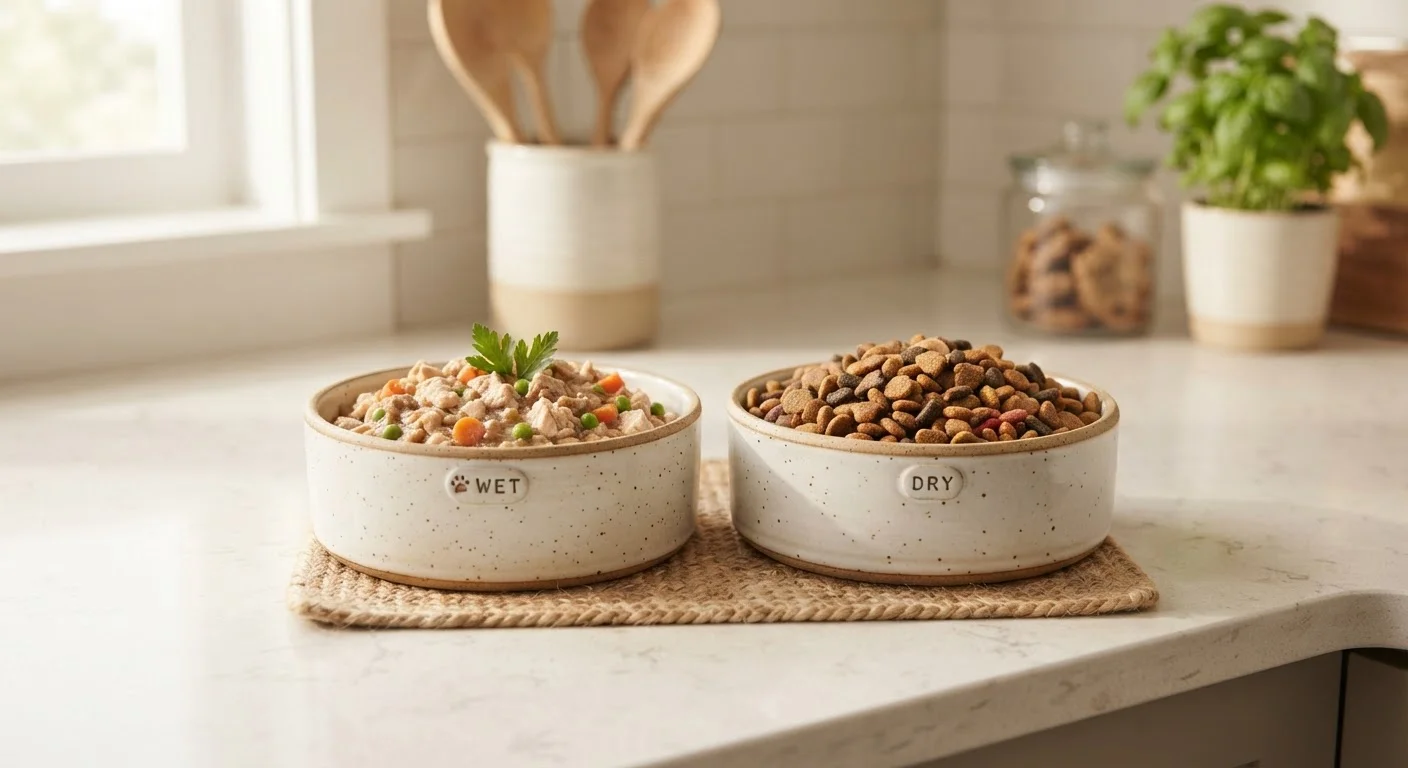
Photo credit: ResultsRover.com | Insights You Can Trust
In this article
Nutritional content, hydration, dental health, and cost — a straightforward comparison of wet and dry pet food to help you make an informed choice.
Key Takeaways
- Wet food contains roughly 70–80% moisture, making it a meaningful hydration source for cats and dogs.
- Dry kibble is more calorie-dense per gram and typically costs less per serving than wet food.
- Neither format is universally superior — the right choice depends on your pet's age, health, and preferences.
- Many veterinarians suggest a mixed feeding approach to capture benefits from both formats.
- Dental benefits of kibble are real but modest; no food fully replaces toothbrushing.
- Always transition between food types gradually over seven to ten days to avoid digestive upset.
The Core Difference: Water Content Changes Everything
The single biggest difference between wet food and dry kibble is moisture. Wet food — whether canned or in soft pouches — typically contains 70–80% water. Dry kibble, by contrast, contains roughly 10% moisture. That gap reshapes nearly every comparison you can make: caloric density, cost per serving, palatability, and how the food affects your pet's overall fluid intake.
Because wet food is mostly water by weight, you need a larger volume to deliver the same calories as kibble. A cat eating only wet food may meet much of its daily hydration needs through meals alone — a significant advantage given that many cats have a naturally low thirst drive. Dogs tend to drink more readily, but wet food can still supplement hydration, particularly in hot climates or for dogs prone to urinary issues.
For a deeper look at how hydration myths affect everyday pet care decisions, see our guide to pet hydration myths.
| Criterion | Wet Food | Dry Kibble |
|---|---|---|
| Moisture content | 70–80% | ~10% |
| Caloric density (per gram) | Lower | Higher |
| Typical cost per serving | Higher | Lower |
| Palatability for picky eaters | Generally higher | Variable |
| Dental texture benefit | Minimal | Mild (modest evidence) |
| Shelf life after opening | 2–3 days refrigerated | Several weeks (airtight) |
| Works in auto feeders | No | Yes |
| Protein-to-carb ratio (dry matter) | Often higher protein | Often higher carbs |
Nutrition, Palatability, and Digestibility
Both formats can meet complete and balanced nutritional standards — the AAFCO (Association of American Feed Control Officials) nutritional adequacy statement on the label is what matters most, not the format. That said, there are real practical differences.
Protein content: On a dry-matter basis (stripping out moisture so you compare like with like), many wet foods are higher in animal protein and lower in carbohydrates than comparable kibble. Kibble often uses more starchy binders — such as rice, corn, or potato — to hold its shape during processing.
Palatability: Wet food consistently scores higher with picky eaters. The stronger aroma and softer texture are more appealing to many cats and dogs, particularly seniors whose sense of smell has diminished.
Digestibility: Both formats are highly digestible when made from quality ingredients. The processing methods differ — wet food is steam-cooked in the can, while kibble is extruded at high heat — but neither method is inherently superior for all nutrients.
Understanding what ingredient lists and guaranteed analysis figures actually mean is its own skill. Our guide to reading pet food labels walks through the label in plain language.
70–80%
Moisture content in typical wet pet food
Compared to roughly 10% in dry kibble — a difference that significantly affects daily fluid intake for cats and dogs.
3 in 4
Dogs showing signs of dental disease by age 3
The American Veterinary Medical Association notes periodontal disease is among the most common conditions seen in companion animals.
2–4×
Higher daily feeding cost for wet vs. dry food
Cost difference varies by brand tier, but wet food consistently costs more per calorie than kibble across most product categories.
Dental Health: What Food Format Can and Cannot Do
Dry kibble has a long-standing reputation for supporting dental hygiene, and there is some truth to it — but it is frequently overstated. The physical act of crunching kibble does create mild mechanical abrasion on tooth surfaces, which can slow plaque buildup compared to a soft-food diet. However, most dogs and cats crack kibble with their back teeth, and the contact time is too brief to clean teeth thoroughly.
Wet food, by contrast, tends to leave a soft residue on teeth that can contribute to plaque if oral hygiene is otherwise neglected. This does not mean wet-food-fed pets inevitably have worse dental health — it means toothbrushing and regular veterinary dental checks matter regardless of what your pet eats.
If dental health is a priority, look for dry foods that carry the Veterinary Oral Health Council (VOHC) seal, which indicates the product has met published standards for plaque or tartar reduction in independent trials. No food format, however, replaces active dental care. See why dental care matters — and what skipping it costs for a fuller picture of oral health in pets.
Cost, Convenience, and Practical Feeding
For most households, cost is a real consideration. Wet food costs more per calorie than kibble in nearly every market tier. A cat eating exclusively canned food may cost two to four times more to feed per day than one eating dry food, depending on the brand quality level. That gap narrows when you use wet food as a topper or supplement rather than the sole diet.
Storage and convenience: Kibble wins here clearly. An open bag stores for weeks at room temperature (ideally in an airtight container). Opened cans must be refrigerated and used within two to three days. Wet food cannot be used in automatic feeders, while dry kibble works well with timed dispensers — useful for households with variable schedules.
A practical middle path: Many veterinarians and veterinary nutritionists suggest feeding a combination — dry kibble as the daily base with wet food offered as a partial meal or topper several times per week. This approach provides hydration benefits and palatability variety while keeping costs manageable. When switching formats or brands, transition gradually over seven to ten days by mixing increasing proportions of the new food to prevent digestive upset.
For a deeper nutritional comparison across species-specific considerations, see our evidence-based look at dry vs. wet food trade-offs.
When to Involve Your Veterinarian
Certain health conditions — chronic kidney disease, urinary crystals, diabetes, obesity, or inflammatory bowel disease — make food format selection genuinely medical rather than just preferential. If your pet has any ongoing health condition, ask your veterinarian or a board-certified veterinary nutritionist before making significant dietary changes. General feeding guidelines on packaging are starting points, not prescriptions.

Author
Pets & Animals Editorial Team
Pets & Animals Editorial Team is the collective byline for our editorial team and contributor network. Articles published under this byline or an editorial pen name are researched, written, and reviewed according to our editorial standards for clarity, consistency, and independence before publication.
View all articles →