
Pet Hydration Myths That Owners Keep Getting Wrong
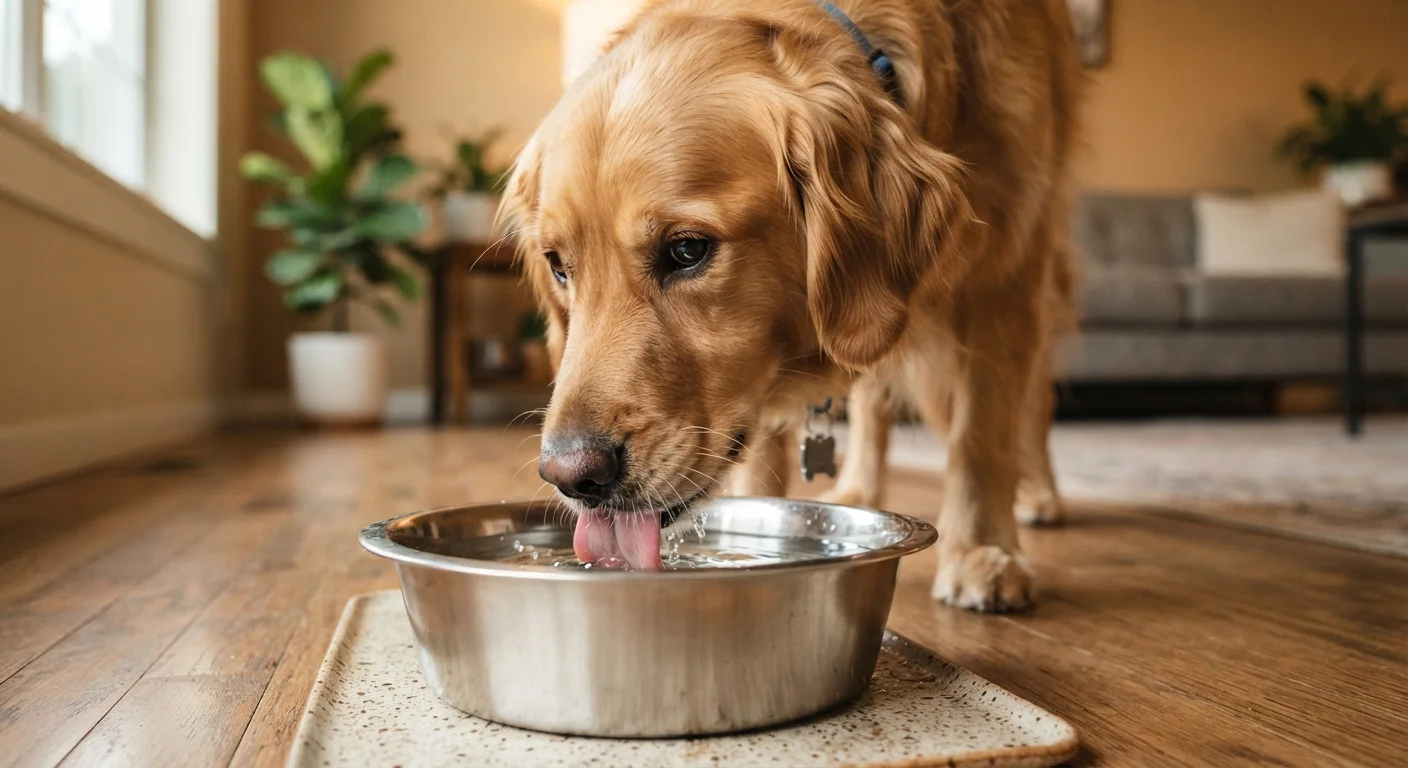
Photo credit: ResultsRover.com | Insights You Can Trust
In this article
Does a wet nose mean a hydrated dog? Do cats naturally drink enough water? Common misconceptions about pet hydration, corrected with clarity.
Key Takeaways
- A dog's nose moisture is not a reliable indicator of hydration status.
- Cats have a low thirst drive and rarely self-regulate water intake adequately on dry food alone.
- Skin turgor (the 'tent test') is a rough field check, not a substitute for veterinary assessment.
- Water bowls need daily cleaning — bacteria and biofilm build up quickly and deter drinking.
- Wet food contributes meaningfully to daily fluid intake for both cats and dogs.
Why Hydration Myths Are So Common — and So Consequential
Most pet owners genuinely want to do right by their animals, but hydration is a topic riddled with folklore that has been passed down through generations of well-meaning advice. Unlike visible symptoms such as limping or vomiting, mild dehydration in pets is easy to miss — which is exactly why correcting these misconceptions matters.
Many of the myths below are plausible-sounding and reinforced by casual observation, making them harder to question. Understanding what actually signals good hydration — and what does not — helps busy families catch problems early and build daily routines that genuinely support their pet's health. For context on how food type connects to fluid intake, our guide on wet food versus dry kibble is a practical companion read.
Myth
A wet nose means my dog is well-hydrated.
Fact
Nose moisture reflects nasal gland secretions and environmental contact, not fluid intake — it is not a hydration indicator.
Dogs' noses stay moist largely because of mucous glands and the habit of licking them. A dry nose can appear after a nap, in low humidity, or simply as normal variation — none of which signals dehydration. Conversely, a damp nose tells you nothing meaningful about how much water a dog has consumed. Reliable signs of dehydration include pale or tacky gums, reduced skin elasticity, and decreased energy. When in doubt, your veterinarian is the right resource.
Myth
Cats naturally drink enough water on their own and don't need encouragement.
Fact
Cats evolved as desert animals with a low thirst drive and frequently under-drink, especially on dry kibble diets.
Unlike dogs, cats do not compensate well for the low moisture content of dry food by drinking more water. Research in feline nutrition consistently shows that cats on exclusively dry diets consume significantly less total moisture than those eating wet food. Chronic mild dehydration is linked to urinary tract issues and kidney stress in cats — conditions that are among the most common reasons for veterinary visits. Encouraging hydration through wet food, water fountains, or multiple bowl locations is a practical, evidence-supported strategy. See how food type affects moisture intake in our comparison of dry and wet food nutritional trade-offs.
Myth
If my pet is drinking water, it's definitely hydrated enough.
Fact
Drinking some water does not guarantee adequate hydration — frequency, volume, activity level, and diet all affect whether intake meets need.
A pet can drink from the bowl and still be mildly dehydrated if it is eating dry food exclusively, is in a hot environment, or is recovering from illness. Conversely, excessive water consumption can signal diabetes or kidney disease and warrants veterinary attention. Rather than treating any drinking as sufficient, track whether the water level in the bowl drops consistently day to day, and discuss your pet's individual needs — including size and activity level — with your vet.
Myth
The skin-tent test is a definitive way to check hydration at home.
Fact
The skin turgor test offers a rough indication but is unreliable in overweight pets and should never replace professional assessment.
The skin-tent test involves gently lifting the skin at the scruff of the neck and observing how quickly it returns to its normal position. In a well-hydrated pet, it snaps back immediately; in a dehydrated one, it holds the tent shape briefly. However, the test is affected by age (older pets have naturally less elastic skin), body condition (excess fat reduces accuracy), and the evaluator's technique. It is a useful rough field check — not a diagnostic tool. Suspected dehydration should always be confirmed by a veterinarian who can assess mucous membranes and, when necessary, run blood or urine panels.
Myth
Water is water — the bowl doesn't need frequent cleaning.
Fact
Biofilm and bacteria accumulate in water bowls within 24–48 hours, and dirty bowls actively deter many pets from drinking.
Pet water bowls develop a slick bacterial film called biofilm quickly, especially in warm environments. Many pets — cats in particular — are sensitive to taste and odor and will reduce drinking when the water smells or tastes off. Daily rinsing and regular soap-and-water scrubbing of bowls is a simple habit that meaningfully supports consistent hydration. Stainless steel or ceramic bowls are generally easier to clean thoroughly than plastic ones, which can harbor bacteria in small surface scratches.
Myth
Small pets need far less water and rarely become dehydrated.
Fact
Small animals — including small dogs, rabbits, and guinea pigs — have high surface-area-to-body ratios and can dehydrate faster than larger animals.
Body size does not offer protection from dehydration; in fact, smaller animals can lose a meaningful proportion of their body water more rapidly in warm weather or during illness. A small dog or rabbit that stops eating and drinking due to stress or sickness can show clinical dehydration within hours. Owners of small pets should monitor water intake attentively and consult a veterinarian promptly if their pet goes off water or food. For a broader look at pet health misconceptions, our roundup of pet health myths vets hear every week covers additional areas where assumptions can mislead owners.
Building Better Daily Hydration Habits
Correcting myths is only half the work — the other half is putting practical habits in place. Here are evidence-consistent strategies most veterinary professionals support:
- Multiple water sources: Placing bowls in more than one room increases the chance that pets drink opportunistically throughout the day.
- Running water appeal: Many cats drink more readily from circulating water fountains, likely because moving water signals freshness in their instinctive behavior.
- Wet food integration: Even partial substitution of dry kibble with wet food measurably increases total daily moisture intake. This connects directly to urinary and kidney health over the long term.
- Temperature awareness: Pets in hot environments, those that are very active, or animals recovering from illness need more water than usual — adjust access and monitoring accordingly.
- Bowl hygiene: Daily rinse and regular full cleaning prevents biofilm buildup that deters drinking.
Dehydration Can Escalate Quickly
Moderate to severe dehydration in pets is a medical emergency. If your pet shows sunken eyes, extreme lethargy, very dry gums, or loss of skin elasticity, contact your veterinarian immediately — do not wait to see if the situation improves on its own.
Hydration is not a topic to manage by assumption. If you are ever uncertain whether your pet is drinking adequately, a conversation with your veterinarian — including a basic wellness check — is the most reliable path forward. Staying curious about what you think you know is itself a good instinct: the same principle applies in areas like reading animal body language accurately, where common misreads can quietly undermine the owner-pet relationship.
This article provides general pet care information for educational purposes and is not a substitute for professional veterinary advice. Always consult a licensed veterinarian about your individual pet's health needs.

Author
Pets & Animals Editorial Team
Pets & Animals Editorial Team is the collective byline for our editorial team and contributor network. Articles published under this byline or an editorial pen name are researched, written, and reviewed according to our editorial standards for clarity, consistency, and independence before publication.
View all articles →