
Separation Anxiety in Dogs: Causes, Signs, and a Humane Path Forward
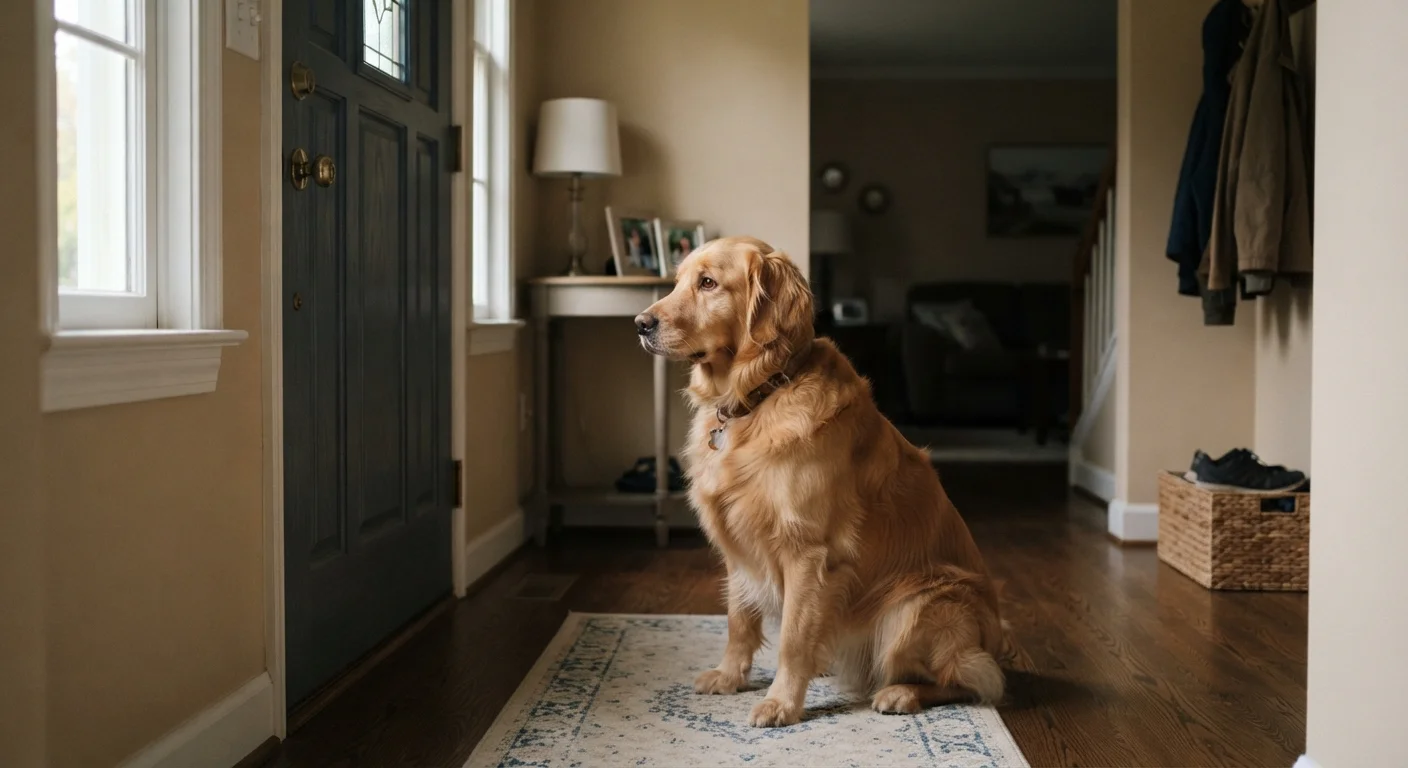
Photo credit: ResultsRover.com | Insights You Can Trust
In this article
Separation anxiety is one of the most misunderstood dog behavior problems. Learn what it actually is, what triggers it, and how to address it humanely.
Key Takeaways
- Separation anxiety is a genuine panic response, not disobedience or spite.
- Early-life disruption, rehoming, and sudden routine changes are common triggers.
- Destructive behavior and vocalization only occur when the owner is absent.
- Gradual desensitization — not punishment — is the cornerstone of effective treatment.
- Severe cases often require veterinary assessment and possible medication support.
- Consistent, calm departures and arrivals reduce anxiety over time.
What Separation Anxiety Actually Is
Separation anxiety in dogs is a genuine anxiety disorder — not a personality quirk or an attempt to manipulate their owner. When a dog with separation anxiety is left alone, the experience triggers a panic response that can be as physiologically real as a human anxiety attack. The dog isn't misbehaving; it's in distress.
Clinically, separation anxiety is characterized by excessive fear or distress that occurs specifically in the absence of an attachment figure — almost always the primary owner or a closely bonded household member. This distinction matters: behaviors tied to separation anxiety happen only when the dog is alone, not randomly throughout the day.
It's also worth separating true separation anxiety from similar-looking but distinct problems. A bored dog left alone for too long may chew furniture. A dog never taught to settle may bark excessively. These are management and training issues. Separation anxiety, by contrast, involves visible signs of panic: panting, drooling, trembling, and an inability to self-regulate even when given appropriate outlets. Just as leash pulling has roots in instinct and reinforcement, separation anxiety has its own distinct behavioral drivers that require understanding before intervention.
Separation Anxiety Is Not Spite or Disobedience
Dogs with separation anxiety are experiencing genuine psychological distress — they are not acting out to get revenge for being left alone. Treating it as a discipline problem and responding with punishment will make the condition worse, not better. Understanding this distinction is the most important first step toward helping your dog.
Common Causes and Risk Factors
No single factor causes separation anxiety, but several are consistently linked to its development:
- Early weaning or lack of socialization: Puppies separated from their mothers before eight weeks, or those who missed critical socialization windows, are at higher baseline risk.
- Rehoming and shelter history: Dogs adopted from shelters have often experienced repeated losses of attachment figures, priming the stress-response system.
- Sudden routine disruption: A return to work after extended time at home, a move, a new baby, or the loss of another household pet can all destabilize a dog's sense of security.
- Reinforced clinginess: When owners consistently respond to attention-seeking behavior, some dogs learn that distress signals bring contact — inadvertently strengthening anxious patterns over time.
- Breed predisposition: Working and companion breeds selectively bred for close human partnership — such as Border Collies, Labrador Retrievers, and Vizslas — may be more prone to distress when isolated.
~17%
Dogs estimated to experience separation anxiety
Research published in veterinary behavioral journals suggests roughly 14–20% of pet dogs show clinically relevant separation-related behaviors.
#1
Reason dogs are surrendered to shelters
Behavioral problems — including separation anxiety — are consistently cited as the leading cause of owner relinquishment in U.S. shelter studies.
Weeks–Months
Typical timeframe for desensitization progress
Certified behaviorists generally note that meaningful improvement in separation anxiety requires sustained, structured effort over several weeks to months depending on severity.
It's important to note that separation anxiety can develop in any dog regardless of breed, age, or background. A previously confident dog may develop it after a significant life change.
Signs to Recognize
The hallmark of separation anxiety is that signs appear in the owner's absence. If your dog seems distressed throughout the day regardless of your presence, a veterinary conversation is warranted to rule out underlying health issues.
Common behavioral signs include:
- Destructive behavior focused near exits — chewed door frames, scratched floors near the front door
- Sustained vocalization: barking, howling, or whimpering shortly after departure
- House soiling despite being fully house-trained
- Excessive salivation or panting visible when you return
- Escape attempts that may result in self-injury
- Hyper-vigilant pre-departure anxiety: shadowing you, trembling when you pick up keys or put on shoes
A simple and effective diagnostic step is to set up a pet camera or phone facing your dog's usual space and review footage after a brief absence. Many owners are surprised to discover distress begins within seconds of the door closing. Note also that animals often mask discomfort, so some anxious dogs may show subtler signs that are easy to overlook.
Before starting departure training, film your dog for 30 minutes after a normal exit. The footage tells you the real severity — and the real starting point — of their anxiety.
Many owners underestimate distress because signs occur when they're not present. Video evidence shapes a far more targeted and effective intervention plan.
Work below your dog's distress threshold at every session. If the dog is showing anxiety, you've gone too far too fast — step back to the last successful duration and build again from there.
Desensitization only works when the dog remains calm during exposures. Repeated panic experiences during training reinforce the fear response rather than resolving it.
Humane Treatment Approaches
Addressing separation anxiety requires patience and a structured desensitization plan. Punishment is never appropriate and will reliably worsen anxiety — the dog is not choosing to misbehave.
Graduated Departure Training
The foundation of treatment is teaching the dog that short absences are safe and predictable. Begin by practicing departures that last only seconds — pick up your keys, step outside, return immediately. Gradually increase duration only when the dog shows no signs of distress at the current threshold. This process can take weeks or months for severe cases.
Pre-Departure Routine Changes
Pre-departure cues (grabbing a coat, putting on shoes) trigger anxiety before you've even left. Randomize these actions throughout the day without leaving so they lose their predictive value.
Calm Arrivals and Departures
Emotionally charged goodbyes and enthusiastic homecomings inadvertently signal that departures are a significant event. Keep both low-key — ignore your dog for a few minutes on arrival before greeting calmly.
Safe Space and Environmental Enrichment
A confinement area the dog genuinely finds comfortable — not used as punishment — can reduce the arousal zone. Puzzle feeders, food-stuffed toys frozen the night before, or species-appropriate chews give the dog a constructive focus during absences. Avoid expecting these alone to resolve true anxiety; they are supportive tools, not standalone treatments.
Try the 'Independence Exercise' Daily
Several times a day, calmly ask your dog to settle in one room while you move to another without leaving the house. Reward calm behavior without fanfare. This builds the dog's confidence in tolerating separation in low-stakes conditions, which transfers to more challenging real departures over time.
When to Involve a Professional
Mild cases may improve with consistent owner-led desensitization. Moderate to severe cases almost always need professional support. Seek help when:
- The dog is injuring itself trying to escape
- Distress escalates rather than diminishes with basic interventions
- The dog cannot tolerate any absence, even for a few seconds
A veterinary behaviorist or certified applied animal behaviorist (CAAB) can design a tailored behavior modification plan. In many moderate-to-severe cases, veterinarians may also discuss whether medication could support the behavior modification process by reducing baseline arousal enough for learning to occur — this is a clinical conversation, not a shortcut, and should be pursued only under veterinary guidance.
Certified professional dog trainers (CPDTs) who specialize in anxiety disorders can also be valuable, though it's important to confirm they use force-free, positive-reinforcement methods. Aversive tools — shock collars, spray devices, or physical corrections — are contraindicated for anxiety and can cause lasting psychological harm. For families navigating complex household dynamics alongside a dog's anxiety, the guidance in keeping pets and children safe together offers useful context on managing stress-sensitive dogs in busy homes.
Avoid Aversive Tools for Anxiety
Shock collars, citronella spray devices, and other punishment-based tools are not appropriate for separation anxiety and can significantly worsen the condition. Because the dog is already in a panic state, adding aversive stimuli increases fear rather than reducing it. Always verify that any trainer or tool recommended to you relies on positive reinforcement principles.
This article is for general informational and educational purposes only. It is not a substitute for professional veterinary or behavioral advice. If your dog is showing signs of significant distress, consult a licensed veterinarian or certified animal behaviorist.

Author
Pets & Animals Editorial Team
Pets & Animals Editorial Team is the collective byline for our editorial team and contributor network. Articles published under this byline or an editorial pen name are researched, written, and reviewed according to our editorial standards for clarity, consistency, and independence before publication.
View all articles →