
Resource Guarding in Dogs: What It Is and How to Safely Address It
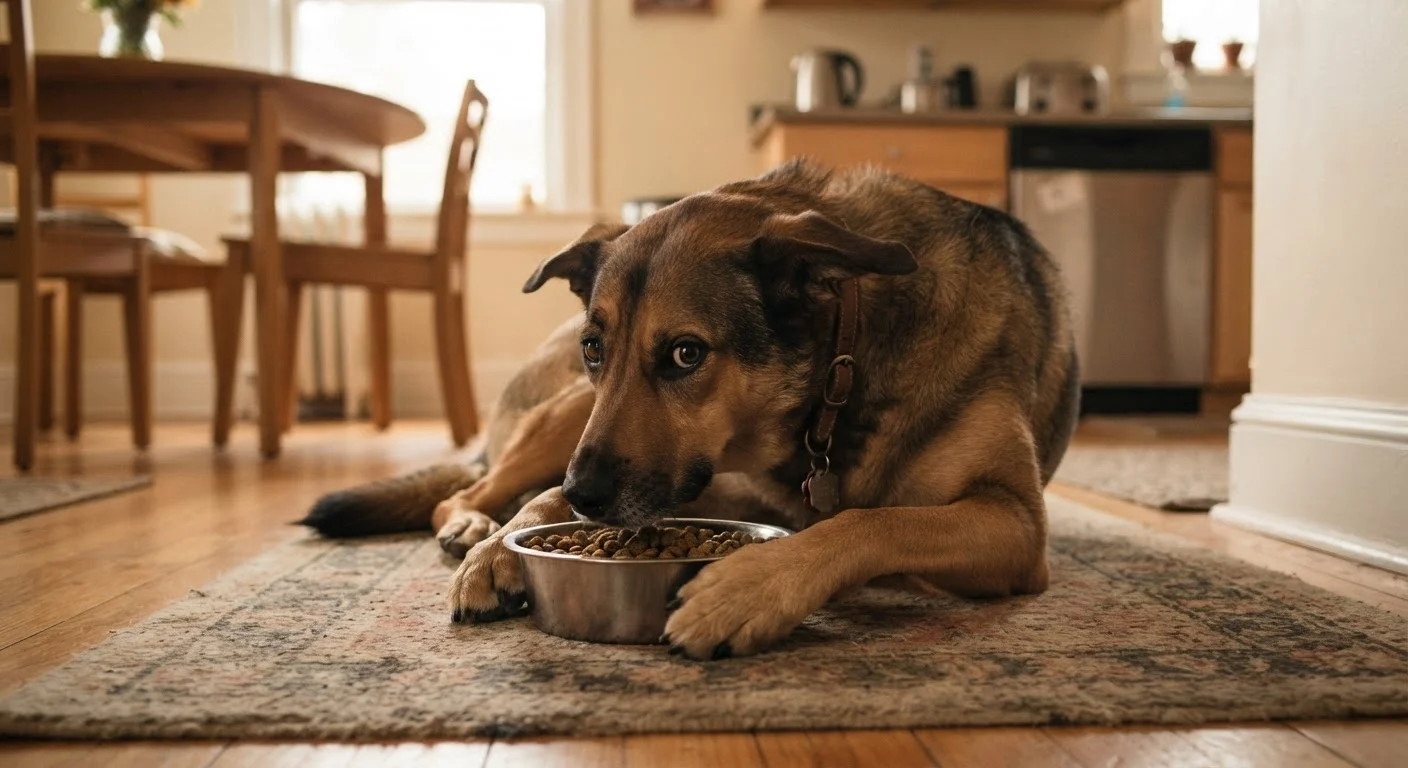
Photo credit: ResultsRover.com | Insights You Can Trust
In this article
Resource guarding is a natural canine behavior that can become dangerous without proper handling. Learn the signs and humane management strategies.
Key Takeaways
- Resource guarding is a normal canine instinct, not a sign of a 'bad' or dominant dog.
- Early warning signs include stiffening, low growling, or hard eye contact near valued items.
- Punishment-based responses typically make guarding behavior worse, not better.
- Trading exercises and counter-conditioning are among the most effective humane interventions.
- Severe guarding — especially toward children — warrants professional help from a certified behaviorist.
What Resource Guarding Actually Is
Resource guarding describes any behavior a dog uses to keep people or other animals away from something it values — food, toys, resting spots, or even a specific person. Far from being a character flaw, it is a deeply rooted survival strategy that wild canids have relied on for thousands of years. A dog that guards is communicating, not misbehaving.
That said, guarding in a home environment can range from mildly inconvenient to genuinely dangerous. Understanding the behavior on its own terms is the essential first step toward addressing it safely.
Not All Guarding Looks the Same
Some dogs guard loudly — growling and snapping — while others guard silently by simply positioning their body over an item or eating faster. Both are guarding. Silent guarders can be particularly challenging because owners receive less warning before a bite. If you are uncertain whether your dog is guarding, a consultation with a professional can help you identify the behavior early.
Recognizing the Warning Signs
Dogs rarely escalate from calm to biting without warning. Most give a clear escalation sequence that owners can learn to read:
- Freezing or stiffening over the item
- Hard, fixed eye contact directed at the approaching person or animal
- Low growling or a closed, tense mouth
- Lip lifting or a visible display of teeth
- Snapping in the air as a final warning
A growl is valuable communication — never punish it. Suppressing the growl removes the warning signal without removing the underlying discomfort, which can lead to bites that seem to come without warning.
Guarding can also appear in subtler forms: a dog who eats faster when you walk by, or one who angles its body to block access to the couch. Catching these early signals makes intervention far easier. For families with children, review the guidance on safe pet and child interactions to understand how guarding risks intersect with everyday family life.
Best Practices for Addressing Resource Guarding
The following approaches are grounded in applied animal behavior science. They focus on changing how the dog feels about an approach, rather than simply suppressing the symptom.
Use the 'trade' technique to approach high-value items safely
Teaching a dog that a human approaching means something even better is coming fundamentally changes the emotional association with that approach. Over time, the dog learns that giving up a resource leads to reward, not loss.
Practice 'drop it' and 'leave it' as daily training habits
Dogs that reliably respond to these cues give owners a safe, non-confrontational way to remove dangerous items. Training these in low-stakes situations builds the habit long before it's urgently needed.
Manage the environment to prevent rehearsal of guarding
Every time a dog successfully guards — and the perceived threat retreats — the behavior is reinforced. Reducing the opportunities for the behavior to succeed slows its entrenchment while training is underway.
Never use punishment, resource removal by force, or 'dominance' corrections
Research in veterinary behavior consistently shows that confrontational techniques increase aggression and erode the dog-owner relationship. Forcing a dog to submit over food does not teach it that sharing is safe — it teaches it that humans are unpredictable threats.
Build 'nothing in life is free' routines gradually and positively
Asking a dog to perform a simple known behavior (sit, down) before receiving meals or toys creates structure without confrontation, and helps the dog practice impulse control in a low-stakes way.
If your dog's guarding is severe, or if children are involved, work with a certified professional (such as a Certified Applied Animal Behaviorist or a veterinary behaviorist) before attempting any hands-on exercises.
Quick Wins You Can Start Today
While a full behavior modification plan takes time, there are lower-risk steps you can take right away to reduce conflict and improve safety in your home.
Resource guarding shares some underlying anxiety with other behavior problems. If your dog shows stress in multiple contexts, our overview on separation anxiety in dogs may provide useful additional context.
“The single most important thing owners can do is learn to read what their dog is saying before the dog feels it must escalate. A growl is not defiance — it is a request for space.”
— Patricia McConnell, Certified Applied Animal Behaviorist and author on canine behavior
This article is for general informational purposes only and does not constitute professional veterinary or behavioral advice. Consult a certified animal behaviorist or veterinarian for guidance specific to your dog's situation.

Author
Pets & Animals Editorial Team
Pets & Animals Editorial Team is the collective byline for our editorial team and contributor network. Articles published under this byline or an editorial pen name are researched, written, and reviewed according to our editorial standards for clarity, consistency, and independence before publication.
View all articles →