
Companion Planting 101: How Pairing Vegetables Can Reduce Pests Naturally
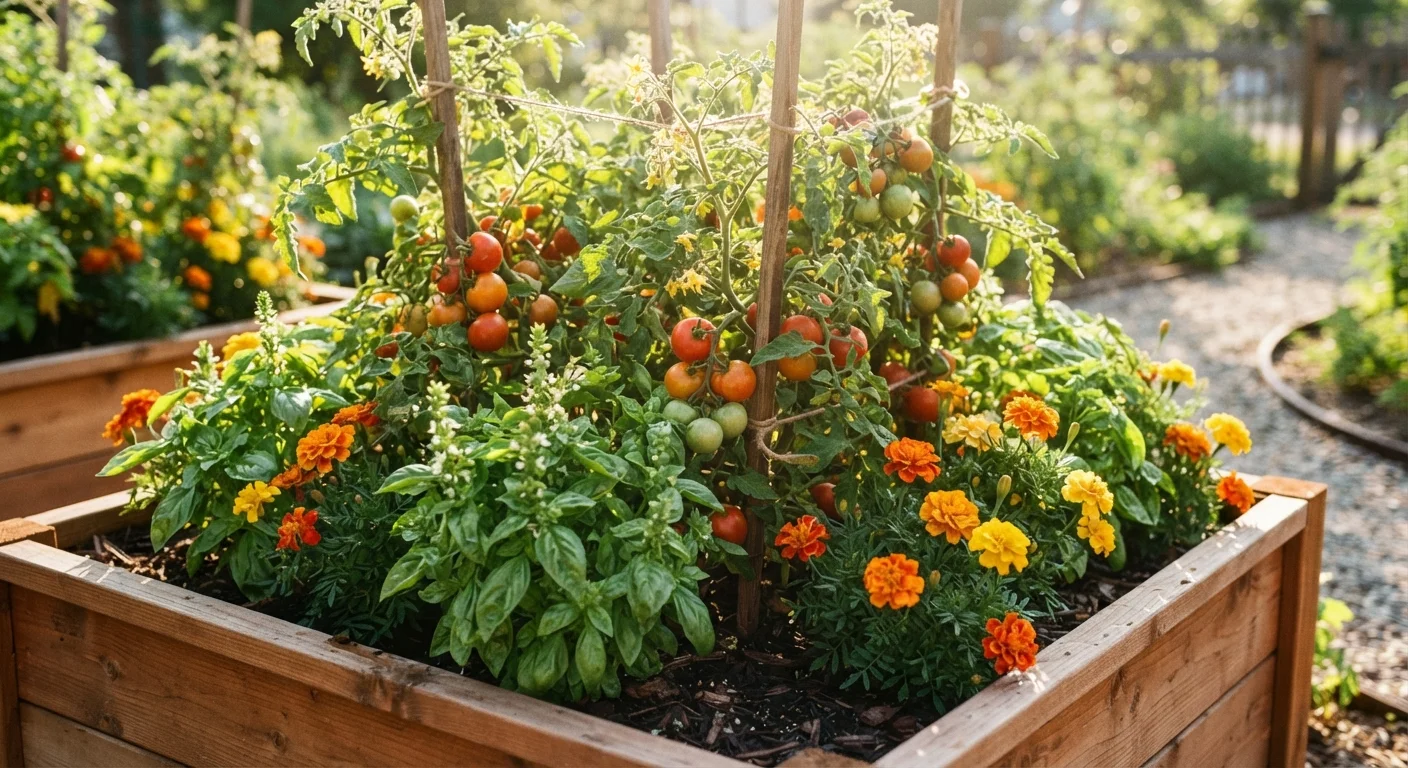
Photo credit: ResultsRover.com | Insights You Can Trust
In this article
Certain plant combinations deter insects, improve soil, and boost yields. Learn the basics of companion planting for a home vegetable garden.
Key Takeaways
- Companion planting uses strategic plant pairings to naturally reduce pest pressure in vegetable gardens.
- Some plants repel insects through scent; others attract beneficial predators that eat garden pests.
- Classic combinations like tomatoes with basil or the Three Sisters have centuries of practical use.
- Not all plants get along - some combinations can stunt growth or compete for the same nutrients.
- You can begin companion planting in any size garden, including raised beds and containers.
What Is Companion Planting?
Companion planting is the practice of growing certain plants near each other to create mutual benefits - reducing pest damage, improving soil health, or making better use of garden space. It's a low-cost strategy that home gardeners have used for generations, and it requires no specialized equipment.
Rather than treating your vegetable plot as a single-crop zone, companion planting treats the garden as a small ecosystem. Different plants contribute different things: some release compounds that confuse or repel insects, others attract the predatory bugs that eat pests, and some fix nitrogen in the soil to feed their neighbors.
Companion planting
Growing specific plants near each other to create benefits like pest deterrence, improved soil, or better use of space.
Allelopathy
When a plant releases natural chemicals into the soil or air that inhibit the growth of nearby plants - sometimes helpful, sometimes harmful.
Beneficial insects
Insects that help the garden by pollinating plants or preying on common pests like aphids and caterpillars.
Trap cropping
Planting a sacrificial crop that attracts pests away from more valuable plants, concentrating the problem where it's easier to manage.
Nitrogen fixation
A process where certain plants, especially legumes like beans, convert atmospheric nitrogen into a form other plants can use as a natural fertilizer.
If you're growing vegetables in a raised bed, companion planting fits naturally into that setup. Our complete raised bed gardening guide covers how to plan and fill your beds from the ground up.
How Plants Deter Pests Naturally
Plants defend themselves through chemistry. Many herbs and flowers produce volatile compounds - aromatic oils and scents - that insects find disorienting or unpleasant. When you grow these plants near vulnerable crops, that chemistry can create a kind of natural buffer.
- Scent masking: Strong-smelling plants like basil, mint, and marigolds can make it harder for pests to locate their preferred host crop by masking its scent.
- Insect confusion: A diverse planting mix breaks up the visual and chemical cues that guide insects toward large monoculture plantings.
- Attracting beneficial insects: Plants with open, accessible flowers - like dill, fennel (planted away from vegetables), and yarrow - draw in predatory wasps, lacewings, and hoverflies that feed on aphids and other common pests.
- Trap cropping: Some plants lure pests away from more valuable crops. Nasturtiums, for example, are notorious aphid magnets - which keeps aphids off your tomatoes and concentrates them somewhere manageable.
Start With Marigolds If You're Unsure
If you're not sure where to begin, French marigolds are one of the most versatile companion plants available. Plant them as a border around any vegetable bed to deter whiteflies, aphids, and nematodes. They're inexpensive, easy to grow from seed, and thrive in full sun alongside most common vegetables.
Classic Companion Planting Combinations
Several pairings have earned widespread use because they're reliable and straightforward to set up.
- Tomatoes + Basil
- Basil is thought to repel thrips and aphids, and the two crops share similar sunlight and water needs, making them easy to grow side by side.
- The Three Sisters: Corn, Beans, Squash
- This Indigenous American planting method uses corn as a trellis for beans, beans to fix nitrogen in the soil, and squash leaves to shade the ground and suppress weeds - a fully integrated system.
- Carrots + Onions
- Onions are said to repel carrot flies, while carrots may deter onion flies. The pairing makes efficient use of space since the crops occupy different soil depths.
- Brassicas + Dill or Nasturtiums
- Nasturtiums draw aphids away from cabbage and broccoli. Dill attracts parasitic wasps that target cabbage worms.
- Roses or Peppers + Marigolds
- French marigolds (Tagetes patula) release a compound from their roots that deters soil nematodes. They also repel whiteflies above ground.
Plants to Keep Separated
Companion planting isn't only about what works well together - knowing which plants compete or inhibit each other is equally important.
Fennel Belongs in Its Own Space
Fennel is one of the few plants that actively inhibits the growth of many common vegetables, including tomatoes, peppers, and beans. If you want to grow fennel, keep it in a separate container or a section of the garden well away from your vegetable beds. Its allelopathic effect can persist in the soil even after the plant is removed.
- Fennel: Almost universally problematic in a vegetable garden. It releases allelopathic compounds that suppress the growth of tomatoes, peppers, beans, and most brassicas. Grow fennel in a container or isolated bed.
- Onions and garlic near beans or peas: Alliums can stunt legume growth. Keep them on opposite sides of the bed.
- Brassicas near strawberries: This combination tends to result in reduced yields for both crops when they compete for soil nutrients.
- Potatoes near tomatoes: Both are members of the nightshade family and share common diseases like blight. Planting them together increases the risk that disease spreads quickly between the two crops.
Maintaining a simple sketch of your garden layout each season helps you track what grew where - useful for rotating crops and planning companions the following year.
How to Start Companion Planting in Your Garden
You don't need to redesign your entire garden to begin. Start small and observe.
- Pick one or two pairings that suit what you already grow. If you have tomatoes, add basil nearby. If you grow squash, try planting nasturtiums around the border.
- Draw a simple layout before planting so you account for each plant's mature size. Overcrowding undermines companion planting benefits.
- Choose flowers that do double duty. Marigolds, borage, and calendula attract pollinators and beneficial insects while also deterring specific pests. They add color at no extra effort.
- Watch and adjust. Companion planting rewards observation. Note which pests appear, where, and in what numbers. Shift plantings the following season based on what you see.
- Combine with good soil and mulch practice. A healthy, well-mulched garden bed supports strong plant immunity. Learn more in our article on common mulching mistakes to avoid.
Companion planting works best when combined with other sound garden habits - proper spacing, healthy soil, and consistent observation. It's a long-game strategy: your garden becomes easier to manage as you learn which combinations work in your specific conditions year after year.
Frequently Asked Questions

Author
Home & Garden Editorial Team
Home & Garden Editorial Team is the collective byline for our editorial team and contributor network. Articles published under this byline or an editorial pen name are researched, written, and reviewed according to our editorial standards for clarity, consistency, and independence before publication.
View all articles →