
HIIT vs. Steady-State Cardio: Choosing the Right Intensity for Your Life
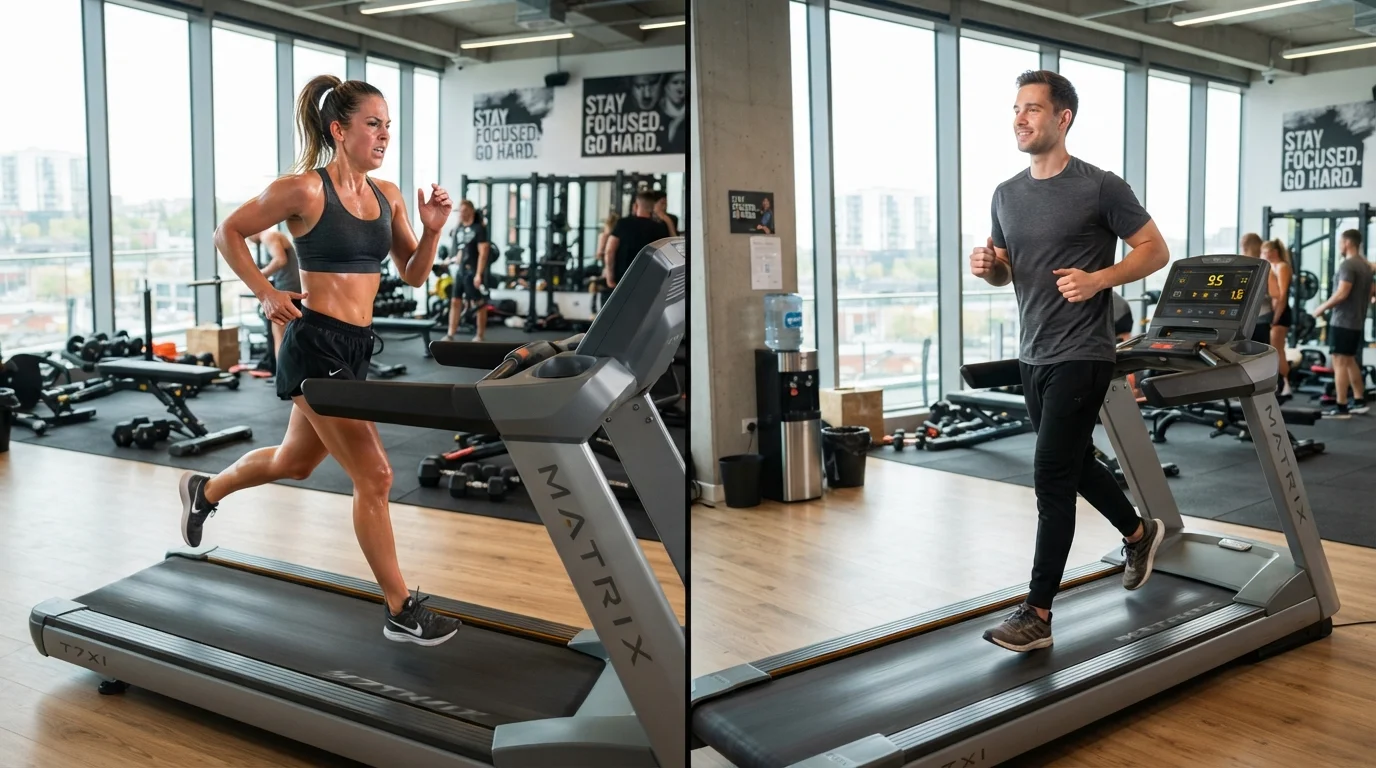
Photo credit: ResultsRover.com | Insights You Can Trust
In this article
High-intensity intervals and steady-state cardio each have real trade-offs. This breakdown helps you decide which fits your goals, schedule, and fitness level.
Key Takeaways
- HIIT delivers comparable cardiovascular benefits in shorter sessions, making it efficient for time-pressed schedules.
- Steady-state cardio is lower-impact, more sustainable for beginners, and easier to recover from.
- Neither approach is universally superior - individual goals, fitness level, and recovery capacity all matter.
- Combining both styles throughout the week may produce better long-term adherence than choosing just one.
- Always consult a healthcare provider before starting a new exercise program, especially with existing health conditions.
What Each Approach Actually Means
High-Intensity Interval Training (HIIT) alternates short bursts of near-maximum effort - typically 20 to 60 seconds - with brief recovery periods. A full session often runs 20 to 30 minutes. Steady-state cardio means sustaining a consistent, moderate effort level for an extended period, usually 30 to 60 minutes or more. Think brisk walking, cycling at an even pace, or swimming laps without surging.
Both are forms of aerobic exercise, but they stress the body differently. Understanding those differences is what makes the choice meaningful. For a broader view of how these fit into the full exercise landscape, see our guide to exercise types.
How They Compare Across Key Factors
The decision between HIIT and steady-state cardio usually comes down to a handful of practical realities: time available, current fitness, recovery needs, and what you'll actually keep doing.
| HIIT | Steady-State Cardio | |
|---|---|---|
| Typical session length | 20-30 minutes | 30-60+ minutes |
| Effort level | Very high (near-maximum bursts) | Moderate and sustained |
| Recovery demand | Higher - rest days needed | Lower - can be done more frequently |
| Beginner accessibility | Moderate - baseline fitness helpful | High - adaptable to any level |
| Joint impact | Higher, varies by exercise choice | Lower, especially walking or cycling |
| Cardiovascular benefit | Well-supported by research | Well-supported by research |
| Equipment needed | Minimal - bodyweight options exist | Minimal - walking requires none |
One nuance the table can't capture: intensity perception. HIIT feels harder because it is, and that matters. Research published in journals like the British Journal of Sports Medicine has found that subjective effort significantly influences long-term exercise adherence. A workout you can tolerate consistently will outperform a theoretically superior one you dread and skip.
The Case for HIIT
HIIT's primary practical advantage is time efficiency. Studies have found that shorter HIIT sessions can produce cardiovascular adaptations comparable to longer moderate-intensity sessions - a meaningful finding for anyone juggling work, family, and errands. HIIT also produces a post-exercise oxygen consumption effect (sometimes called the "afterburn"), meaning your metabolism remains slightly elevated after the workout ends, though the magnitude of this effect is often overstated in popular media.
Start Lower Than You Think You Should
If you're new to HIIT, begin with a work-to-rest ratio that feels manageable - such as 20 seconds of effort followed by 40 seconds of rest. The goal in early sessions is learning to push hard during intervals, not sustaining a heroic pace. Gradually increase intensity over weeks as your fitness and confidence grow.
HIIT is best suited for people who already have a base level of fitness, since the high-effort intervals place real demand on joints, muscles, and the cardiovascular system. It's also worth noting that more is not automatically better - two to three HIIT sessions per week with adequate recovery between them is a common evidence-based guideline, not daily sessions.
If scheduling is your biggest obstacle, practical strategies for fitting workouts into a real schedule can help you find windows that work without overhauling your day.
The Case for Steady-State Cardio
Steady-state cardio has a longer track record and a broader evidence base precisely because it's easier to study over time - people actually stick with it. Walking, cycling, and swimming at a comfortable pace build aerobic capacity, support cardiovascular health, and are low enough in impact that most healthy adults can perform them daily without significant recovery strain.
For beginners, steady-state is also more forgiving of form, fatigue, and pacing errors. You can slow down mid-session without the structure collapsing. This makes it a natural entry point for anyone returning to exercise after a break or managing a health condition. Zone 2 training - a specific steady-state approach targeting a moderate heart rate range - has attracted growing research attention for its mitochondrial and metabolic benefits.
Don't Ignore Persistent Fatigue or Pain
Steady-state cardio is generally low-risk, but it isn't consequence-free. Overuse injuries - shin splints, knee discomfort, repetitive stress - can develop when volume increases too quickly. If you experience persistent soreness, joint pain, or unusual fatigue, reduce your load and speak with a healthcare provider rather than pushing through.
Steady-state cardio is also more compatible with recovery days and can complement strength work without taxing the same energy systems. For a clearer picture of how cardio and strength training interact, see what each type of exercise actually does to your body.
Making the Right Choice for Your Life
For most everyday Americans, the honest answer is that both have a place - and that the "best" cardio is the one you'll actually do. A reasonable starting framework: if you have three or more days a week to exercise, consider mixing one to two HIIT sessions with steady-state sessions on the remaining days. If you have only two or three days, your current fitness level and how your body feels after sessions should guide the balance.
If you're working with a limited or unpredictable home environment, making home workouts consistent offers realistic approaches that apply to both styles.
This article is for general informational and educational purposes only and does not constitute medical advice. Consult a qualified healthcare provider before beginning any new exercise program, particularly if you have existing health conditions, injuries, or concerns.

Author
Health & Wellness Editorial Team
Health & Wellness Editorial Team is the collective byline for our editorial team and contributor network. Articles published under this byline or an editorial pen name are researched, written, and reviewed according to our editorial standards for clarity, consistency, and independence before publication.
View all articles →