
Fitting Real Workouts Into a Real Schedule
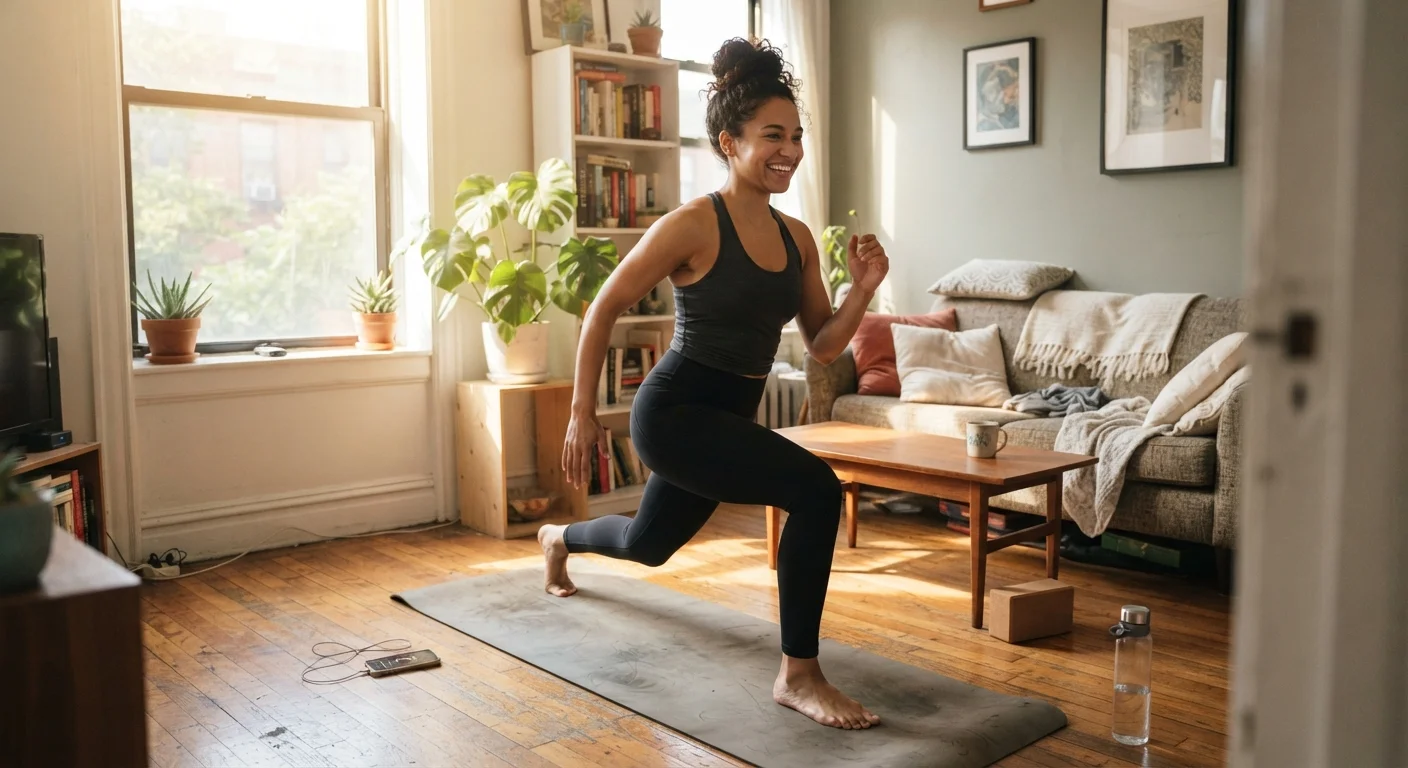
Photo credit: ResultsRover.com | Insights You Can Trust
In this article
When time is tight, exercise is usually the first thing cut. These practical strategies help you build consistent movement habits without overhauling your day.
Key Takeaways
- Short, consistent workouts deliver real health benefits - longer sessions are not required to see progress.
- Scheduling exercise like a meeting dramatically improves follow-through for busy adults.
- Identifying your actual available windows - not ideal ones - is the foundation of a sustainable routine.
- Flexibility in workout format prevents the all-or-nothing thinking that causes most routines to collapse.
- Combining movement with existing daily habits removes the need for extra time blocks entirely.
Why Time Is the Real Barrier - and How to Work With It
For most busy Americans, exercise doesn't fail because of motivation - it fails because the plan was built around an idealized schedule that doesn't survive contact with real life. Work overruns, family demands, and fatigue collapse carefully constructed workout intentions. The solution isn't more discipline; it's a better-designed approach.
The U.S. Department of Health and Human Services recommends that adults get at least 150 minutes of moderate-intensity aerobic activity per week, along with muscle-strengthening activity on two or more days. That sounds like a lot until you break it down: 150 minutes over five days is just 30 minutes per session. Over seven days, it's roughly 21 minutes. Short, consistent movement is genuinely sufficient to meet public health guidelines - and it's far more achievable than most people assume.
Walking, often dismissed as 'not a real workout,' produces measurable health benefits and can count toward your weekly totals. For lower-intensity steady-state work, exploring Zone 2 training offers a sustainable, evidence-backed framework that works well within moderate time constraints.
This Is General Information, Not Medical Advice
The guidance in this article is for general educational purposes. Before starting a new exercise routine - especially if you have a chronic health condition, injury, or have been inactive for an extended period - consult a qualified healthcare professional. What works for one person may not be appropriate for another.
Getting Started: What You Need Before You Begin
Before diving into the steps below, gather the tools and context that will make your plan actionable rather than aspirational.
What you will need
Calendar or Scheduling App
Used to block specific workout windows so exercise is treated as a confirmed commitment, not an afterthought.
Timer or Interval App
Helps structure short workouts precisely so you maximize limited time without overrunning your schedule.
Comfortable Exercise Clothes
Reduces friction before workouts - having clothes ready lowers the mental barrier to starting.
Fitness Tracking App or Journal
Tracks consistency over time, which reinforces habit formation and helps identify what's working.
Avoid Setting Unrealistic Starting Expectations
Beginning with an ambitious schedule you can't sustain is one of the most common reasons exercise habits fall apart within the first few weeks. Research consistently shows that starting smaller and building gradually produces better long-term adherence than aggressive early commitments. Understand the patterns behind early fitness dropout before you design your plan.
If you're returning to exercise after a significant break, the approach described here will be more effective if you also read about rebuilding fitness safely after time away. The strategies overlap, but the pacing differs meaningfully.
Step-by-Step: Building a Schedule That Actually Holds
Follow these steps in order. Each builds on the previous one - skipping to a later step without completing the earlier ones is one of the most common reasons structured plans unravel.
Map Your Actual Available Time
Before choosing any workout program, audit your real week - not an ideal version of it. Look at the past seven days and identify windows of 10 to 30 minutes that were genuinely unused or low-priority. Early morning before the household wakes, lunch breaks, and the 20 minutes between dinner and evening routines are common candidates.
Be honest about energy levels at each time. A window that exists on paper but falls during your lowest-energy point of the day is unlikely to produce consistent workouts.
Choose a Format That Matches Your Window
Once you know how much time you actually have, match the workout type to the window - not the other way around. A 10-minute gap fits a focused bodyweight circuit or a brisk walk. A 25-minute window allows a structured HIIT session or a moderate-intensity cardio block. Understanding the trade-offs between HIIT and steady-state cardio can help you pick the right format for different days and energy levels.
If equipment access is a barrier, bodyweight training is more capable than most people assume and requires nothing beyond a small floor space.
Schedule It Like a Meeting
Add your chosen workout windows to your calendar with the same commitment you give to work appointments. Research on habit formation suggests that implementation intentions - deciding specifically when, where, and how you will act - significantly improve follow-through compared to vague intentions like 'I'll exercise more.'
Set a recurring event, prepare your workout clothes the night before, and treat cancellations as rescheduled appointments rather than permanent skips.
Stack Movement Onto Existing Habits
Habit stacking - attaching a new behavior to a well-established one - is one of the most evidence-supported strategies for building lasting routines. Walk during phone calls you'd otherwise take seated. Do a short mobility routine while waiting for coffee to brew. Take stairs as a standing policy, not an occasional choice.
These micro-movements won't replace structured workouts, but they meaningfully increase your total daily activity, which matters - particularly if you have a sedentary job with prolonged sitting.
Build in Recovery and Flexibility
Sustainable routines include planned rest and built-in flexibility. If you miss a session, the goal is to return to the plan - not to compensate with double sessions, which increases injury risk and burnout. Light movement on rest days, sometimes called active recovery, can maintain momentum without taxing your body.
If your living situation makes home workouts inconsistent, consider practical strategies for making workouts work in imperfect spaces. Adaptability - not perfection - is the actual goal.
Movement Doesn't Have to Look Like 'Exercise'
Walking, active commuting, playing with kids, and household tasks all count toward daily movement totals. If conventional workouts don't appeal to you, explore movement habits for people who dislike traditional exercise. The goal is sustained activity, not a specific format.
For broader wellness integration, consider pairing your movement habits with practical nutrition strategies for busy schedules and low-effort mental wellness habits - consistency across multiple areas compounds over time.
This article provides general health and fitness information for educational purposes only and is not a substitute for professional medical advice, diagnosis, or treatment. Always consult a qualified healthcare provider before beginning a new exercise program, particularly if you have any health conditions or concerns.

Author
Health & Wellness Editorial Team
Health & Wellness Editorial Team is the collective byline for our editorial team and contributor network. Articles published under this byline or an editorial pen name are researched, written, and reviewed according to our editorial standards for clarity, consistency, and independence before publication.
View all articles →