
Dietary Fiber: What It Is, Where It Comes From, and Why It Matters
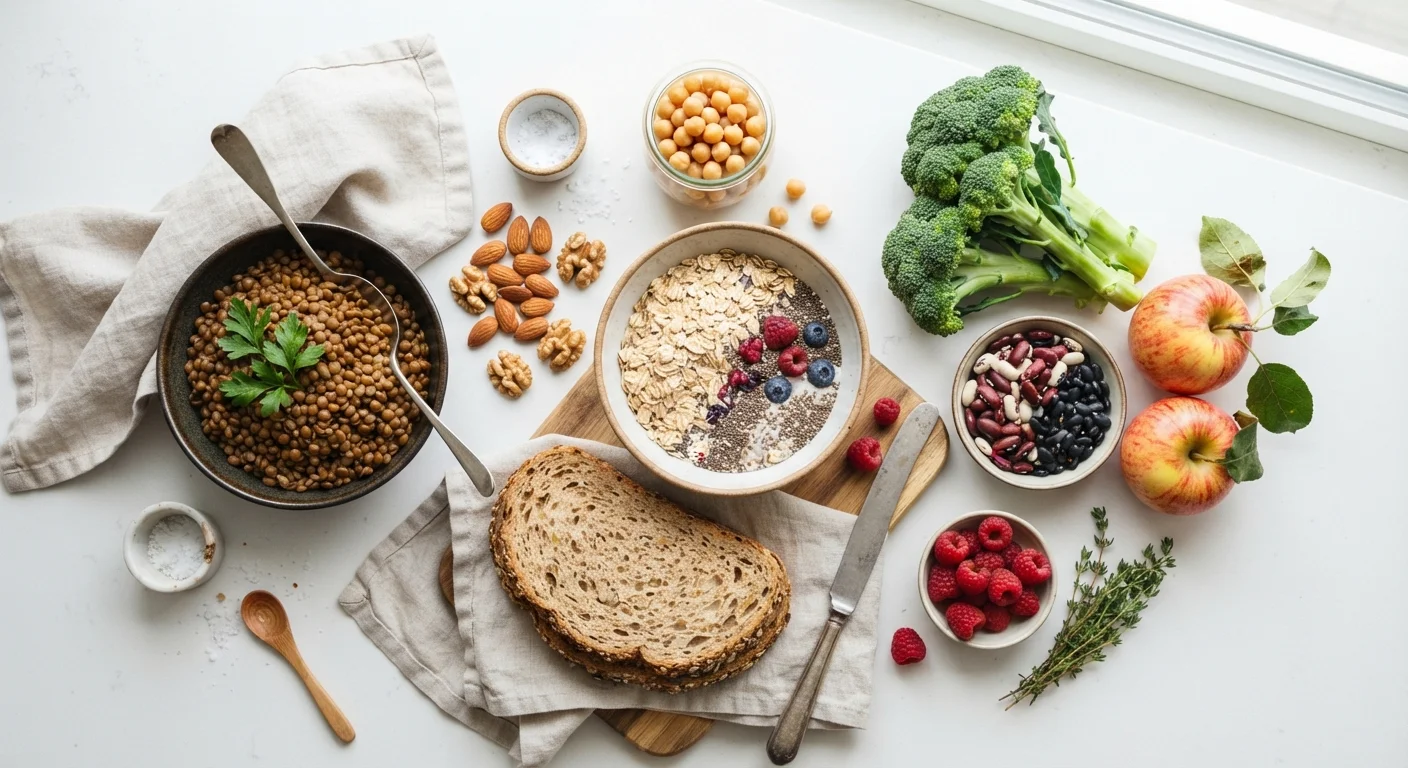
Photo credit: ResultsRover.com | Insights You Can Trust
In this article
A clear breakdown of soluble vs. insoluble fiber, their roles in digestion and long-term health, and the foods that supply each type.
Key Takeaways
- Fiber is found only in plant foods - fruits, vegetables, legumes, and whole grains.
- Soluble fiber dissolves in water and can help lower LDL cholesterol and stabilize blood sugar.
- Insoluble fiber adds bulk to stool and supports regular bowel movements.
- Most American adults consume well below the recommended daily fiber intake.
- Increasing fiber intake gradually - alongside adequate water - helps minimize digestive discomfort.
The Two Types of Fiber and What They Do
Fiber is broadly divided into two categories, each working differently inside the body.
Soluble fiber dissolves in water and forms a viscous gel in the digestive tract. This gel slows the absorption of sugar, which helps moderate blood glucose levels after meals. It also binds to bile acids, a process that may contribute to lower LDL ("bad") cholesterol over time. Good sources include oats, barley, apples, citrus fruits, beans, and psyllium husk.
Insoluble fiber does not dissolve. Instead, it adds physical bulk to stool and speeds transit time through the colon, supporting regular bowel movements and reducing the likelihood of constipation. Whole wheat, bran, nuts, seeds, and most vegetables are rich sources.
Most plant foods contain both types in varying ratios. Eating a varied, plant-forward diet naturally provides a useful mix of both.
A Third Category: Functional Fiber
You may see the term "functional fiber" on some food labels or in nutrition literature. This refers to isolated or synthetic fiber added to processed foods for health benefits - psyllium added to a cereal bar is one example. The 2002 Institute of Medicine report introduced this distinction. Functional fiber can contribute to daily intake, but whole food sources generally provide a broader nutritional package.
Why Fiber Matters for Long-Term Health
Research consistently links adequate fiber intake to a range of health benefits beyond basic digestion. According to the American Heart Association, diets higher in fiber are associated with lower risks of cardiovascular disease. Studies published in peer-reviewed journals have also found associations between higher fiber consumption and reduced risk of type 2 diabetes and certain digestive cancers, though diet is just one of many contributing factors.
Fiber also supports the gut microbiome - the community of bacteria living in the large intestine. Soluble fiber in particular acts as a fuel source for beneficial gut bacteria, which produce short-chain fatty acids that support the intestinal lining and may influence immune function. For a deeper look at this relationship, see how diet shapes gut health.
~5%
U.S. adults meeting daily fiber recommendations
Research published in the American Journal of Lifestyle Medicine estimates that fewer than 1 in 10 Americans consistently meet recommended fiber intake targets.
25-38g
Recommended daily fiber intake for adults
The Dietary Guidelines for Americans set targets of 25g/day for women and 38g/day for men, with adjustments for age and calorie needs.
~15g
Average daily fiber intake among U.S. adults
National dietary surveys consistently show that average American fiber consumption is roughly half the recommended amount.
Where to Find Fiber in Everyday Foods
Fiber is present exclusively in plant-based foods - animal products such as meat, dairy, and eggs contain none. Here's a practical breakdown by food category:
- Legumes: Lentils, black beans, chickpeas, and split peas are among the highest-fiber foods available, often providing 7-15 grams per cooked cup.
- Whole grains: Oats, barley, bulgur, and whole wheat bread and pasta supply both soluble and insoluble fiber, unlike their refined counterparts.
- Fruits: Pears, apples (with skin), raspberries, and avocados are notably high in fiber.
- Vegetables: Broccoli, carrots, Brussels sprouts, and artichokes are strong vegetable sources.
- Nuts and seeds: Chia seeds, flaxseeds, and almonds offer fiber alongside healthy fats.
When reviewing packaged foods, the Nutrition Facts label lists dietary fiber as a subcategory of total carbohydrates. Learning to read ingredient lists can also help you identify whole grain and fiber-rich ingredients - understanding ingredient labels is a useful skill for making informed choices at the grocery store.
Start With One Swap at a Time
Rather than overhauling your entire diet, identify one meal where you regularly choose a low-fiber option and replace it with a higher-fiber alternative. Once that habit feels natural - typically after a few weeks - add another. This incremental approach reduces digestive discomfort and makes changes more likely to stick.
Practical Ways to Increase Your Fiber Intake
The gap between average fiber consumption and recommended levels is significant for most American adults, but closing it doesn't require dramatic diet changes. Small, consistent shifts tend to be more sustainable than wholesale overhauls.
Effective strategies include swapping refined grains for whole grain versions, adding beans or lentils to soups and salads, keeping fruit accessible as a snack, and choosing whole fruit over juice. Leaving the skin on fruits and vegetables like apples, potatoes, and cucumbers preserves additional fiber that is otherwise lost.
One important practical point: increasing fiber intake too quickly can cause gas and bloating. Ramping up gradually over several weeks - and drinking adequate water throughout the day - allows the digestive system to adapt. If you have a gastrointestinal condition or are making significant dietary changes, it's worth discussing them with a qualified healthcare professional first.
This article is for general informational and educational purposes only and is not a substitute for personalized medical or nutritional advice. Consult a qualified healthcare provider for guidance specific to your health needs.
Frequently Asked Questions

Author
Health & Wellness Editorial Team
Health & Wellness Editorial Team is the collective byline for our editorial team and contributor network. Articles published under this byline or an editorial pen name are researched, written, and reviewed according to our editorial standards for clarity, consistency, and independence before publication.
View all articles →