
Reading Between the Lines of Product Specifications
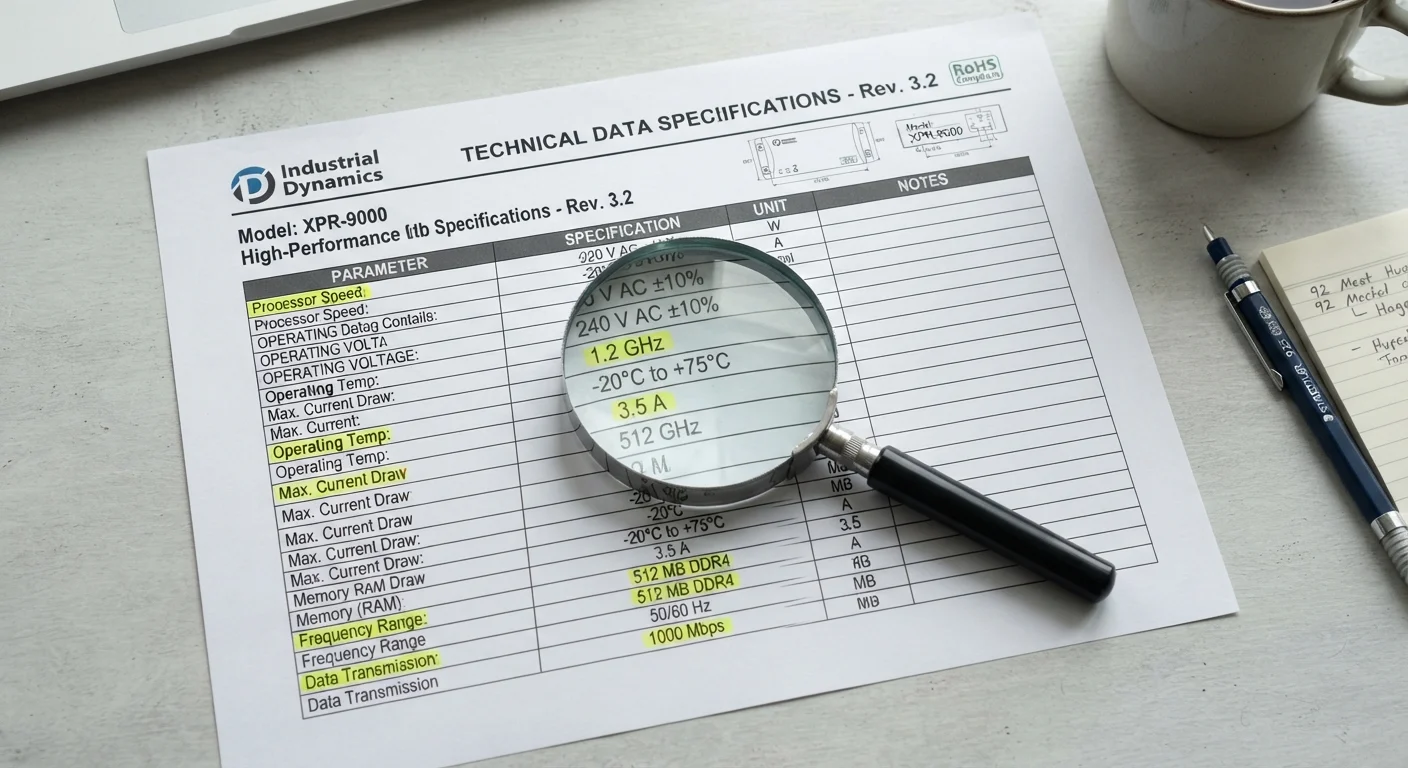
Photo credit: ResultsRover.com | Insights You Can Trust
Spec sheets can inform or mislead. This guide explains how to parse the numbers that matter versus the ones that are mostly marketing.
Key Takeaways
- Many spec sheet figures are measured under ideal lab conditions, not real-world use.
- Marketing language inflates perceived value — learning to spot it saves money and disappointment.
- Comparing specs only matters when the test conditions behind them are consistent.
- Third-party testing data is often more reliable than manufacturer-published figures.
- A handful of core specs typically predict real-world performance far better than a long list.
Why Spec Sheets Mislead More Than They Should
Spec sheets exist to inform buyers, but they're written by marketing teams, not engineers — and the incentive is to impress, not to educate. Numbers that look precise can be selectively chosen, measured under favorable conditions, or framed in ways that make a mediocre product appear competitive. Understanding this dynamic is the first step toward using specs as an actual decision-making tool rather than a shortlist of bragging rights.
The problem isn't limited to electronics. The same pattern appears in appliances, home improvement products, vehicles, and more. Our guide to decoding a home improvement estimate line by line shows how similar selective framing shows up in contractor quotes. Across categories, the skill is the same: knowing which numbers reflect real-world utility and which ones were engineered to win a comparison chart.
Specs Are Not Guarantees
Manufacturers measure specifications under controlled conditions that rarely reflect everyday use. A vacuum rated at 2,000 watts, a battery rated for 500 charge cycles, or a router rated for 3,000 sq ft coverage may all underperform those numbers in your home. Treat every spec as a relative comparison tool, not a performance promise.
The steps below give you a repeatable process for evaluating any spec sheet, regardless of product category.
Manufacturer spec sheet or product listing
The primary document you will be analyzing for meaningful versus inflated figures.
Independent review or lab test report
Provides real-world benchmark data to compare against manufacturer claims.
Notepad or comparison spreadsheet
Helps track and compare specs across multiple products on equal terms.
What to Look For and What to Ignore
Not all specs are created equal. Standardized, independently verified figures carry far more weight than proprietary or self-reported ones. Categories with established measurement standards — energy efficiency, fuel economy, safety ratings — give you a more reliable baseline. Categories without them require extra skepticism and heavier reliance on third-party testing.
Peak vs. Sustained: A Common Bait
Many products advertise a "peak" or "max" figure — peak horsepower, peak download speed, peak lumens — that is achievable only under burst conditions. The number you should care about is the sustained or continuous rated figure, which is often buried in fine print or omitted entirely. If a listing doesn't specify which type it's citing, treat the number skeptically.
Also watch for specs that sound technical but measure something marginal. Megapixel counts in cameras beyond a certain threshold, thread counts in bedding above industry norms, and wattage figures in budget audio gear all tend to be inflated well past the point where they affect real-world performance. Focusing on the metrics that matter in your specific use case — rather than chasing the biggest number in every column — leads to better outcomes.
Use Independent Lab Tests as a Sanity Check
Consumer advocacy organizations and specialized trade publications often test products under standardized, real-world conditions and publish the results. Cross-referencing a manufacturer spec sheet against independent test data is one of the fastest ways to find out whether a headline figure holds up. This approach pairs well with evaluating online reviews critically to build a complete picture before buying.
The same critical reading skills apply across categories. Our overview of smart spending strategies covers the broader mindset behind making every purchase decision count.
Identify the headline spec and find its test condition
Manufacturers lead with their most impressive number. Before accepting it, ask: under what conditions was this measured? Look for footnotes, asterisks, or a "methodology" section. A battery rated for "30 hours" may achieve that only at minimum screen brightness with Wi-Fi off. A range rated for "800 sq ft coverage" may assume an open floor plan with no walls. If the test condition isn't disclosed, that omission is itself informative.
Separate peak figures from continuous or sustained figures
Many categories routinely publish peak measurements: blender horsepower, speaker wattage, USB transfer speeds, router throughput. Sustained figures — what the product actually delivers over time — are almost always lower and are the numbers that affect your day-to-day experience. If you see only one figure and no clarification, assume it is the peak.
Check whether the specs are standardized or proprietary
Some categories have established industry or regulatory standards for how specs must be measured — ENERGY STAR efficiency ratings, EPA fuel economy figures, UL safety certifications, and ANSI lumen ratings for projectors are examples. Others have no standard at all, leaving manufacturers free to measure however they like. When a category has a recognized standard, look for the certified figure. When it doesn't, weight third-party testing data more heavily than the manufacturer's own numbers.
Reduce the spec list to the two or three metrics that actually predict performance
Long spec sheets create an illusion of thoroughness. For most product categories, a small number of metrics reliably predict real-world results; the rest are padding. For wireless earbuds, driver size and codec support matter more than total listed "features." For a laptop, storage speed (NVMe vs. SATA) and thermal design power matter more than raw processor clock speed. Research which specs carry predictive weight in your category before comparing products.
Cross-reference specs with independent test data
Once you know which specs matter, verify them against data collected outside the manufacturer's control. Independent lab tests measure under repeatable conditions and often expose meaningful gaps between listed and observed performance. Note the date of the test — products can change between production runs — and prefer sources that disclose their methodology. This step is especially important for products where misleading specs could affect safety or long-term cost.
Document your findings before deciding
Write down the two or three meaningful, standardized specs for each product you are comparing, sourced from consistent measurement methods. If you are comparing across categories — for example, choosing between a corded and cordless version of the same tool — note that directly comparable specs may not exist, and factor that uncertainty into your decision. Keeping a simple record also helps if you need to refer to specs later for a warranty or return claim.
This article is for general informational and educational purposes only. It does not constitute financial, legal, or professional purchasing advice. Individual products, categories, and testing standards vary. Verify specifications and test conditions directly with manufacturers and independent sources before making purchasing decisions.

Author
Smart Shopping Editorial Team
Smart Shopping Editorial Team is the collective byline for our editorial team and contributor network. Articles published under this byline or an editorial pen name are researched, written, and reviewed according to our editorial standards for clarity, consistency, and independence before publication.
View all articles →