
Car Insurance Decoded: What Every Coverage Type Actually Does
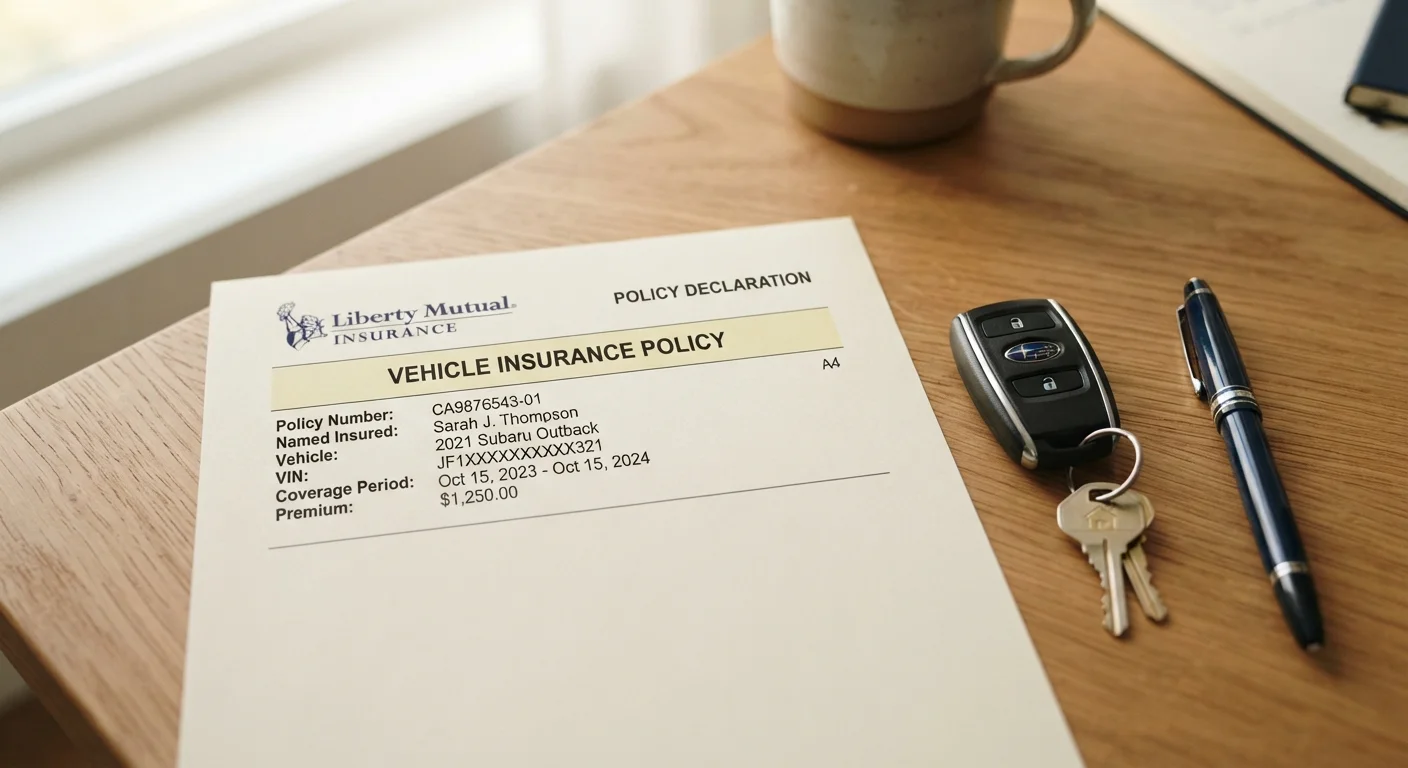
Photo credit: ResultsRover.com | Insights You Can Trust
In this article
Liability, collision, comprehensive, PIP — learn what each coverage type covers, when it applies, and why it exists.
The Six Core Coverage Types, Plain and Simple
Most auto insurance policies are built from a handful of standard coverage types. Insurers bundle and name them differently, but the underlying mechanics are consistent across the industry. Here's what each one actually does.
| Liability Required In | 49 states (all except New Hampshire) (State DMV requirements, general consensus) |
| Uninsured Drivers on U.S. Roads | Roughly 1 in 8 (Insurance Research Council, periodic studies) |
| PIP Availability | Mandatory in ~12 no-fault states; optional or unavailable in others (State insurance regulation, general consensus) |
| Collision & Comprehensive | Usually required by lenders on financed or leased vehicles (Standard lender and lease agreement terms) |
| MedPay vs. PIP | MedPay covers medical costs only; PIP also covers lost wages and related expenses |
Liability coverage pays for injuries and property damage you cause to others in an at-fault accident. It does not cover your own vehicle or your own medical bills. Every state except New Hampshire requires some minimum level of liability coverage, and those minimums are often far lower than what a serious accident costs.
Collision coverage pays to repair or replace your vehicle after a crash with another car or object - regardless of fault. It comes with a deductible, meaning you pay the first portion of any claim. Lenders typically require it on financed or leased vehicles.
Comprehensive coverage handles damage from events other than collisions: theft, fire, flood, hail, falling objects, and animal strikes. Like collision, it carries a deductible. For a deeper look at how these two interact, see Comprehensive vs. Collision Coverage: Knowing Which Pays When.
Personal Injury Protection (PIP) - sometimes called no-fault coverage - pays your medical bills and, in many cases, lost wages after an accident, regardless of who caused it. It's mandatory in no-fault states and optional or unavailable in others.
Uninsured/Underinsured Motorist (UM/UIM) coverage steps in when the at-fault driver has no insurance or not enough to cover your losses. The Insurance Research Council has consistently reported that roughly one in eight drivers on U.S. roads is uninsured, making this coverage meaningful even where it's technically optional.
Medical Payments (MedPay) is a narrower version of PIP, covering medical expenses for you and your passengers after an accident. It doesn't include lost wages or other PIP-style benefits, but it's available in more states and can supplement health insurance deductibles.
What Coverage Combinations Actually Mean
Insurance shorthand can obscure what you're actually buying. "Full coverage" isn't a legal term - it generally refers to a policy that pairs liability with both collision and comprehensive. Whether that's the right fit depends on your vehicle's value and your financial situation. Full Coverage vs. Liability-Only Insurance walks through when each approach tends to make financial sense.
~1 in 8
U.S. drivers estimated to be uninsured
According to periodic studies by the Insurance Research Council, a significant share of drivers on American roads carry no auto insurance.
49 states
States requiring minimum liability insurance
Every U.S. state except New Hampshire mandates some form of liability coverage; minimum limits vary widely by state.
Liability-only policies satisfy state minimums but leave your own vehicle fully exposed. For older cars with low market value, paying for collision and comprehensive may cost more annually than the car is worth. As a rough rule of thumb - not a guarantee - if your annual collision and comprehensive premiums exceed 10% of the vehicle's market value, dropping those coverages is worth evaluating.
Your deductible choice directly shapes your premium. A higher deductible lowers your monthly cost but means you absorb more out of pocket after a claim. Choose a deductible you could actually pay without financial hardship.
Endorsements - optional add-ons - extend your base policy. Common ones include rental reimbursement, roadside assistance, and gap insurance (which covers the difference between what you owe on a loan and what your insurer pays if the car is totaled). These add cost but can prevent significant out-of-pocket gaps in specific situations.
Once you know your coverage types, the next step is understanding how your policy document records them. Reading a Car Insurance Policy Without Getting Lost explains where the key details live on declarations pages and in exclusions sections. And if you want to reduce what you're paying without stripping away meaningful protection, Lowering Your Auto Insurance Rate Without Sacrificing Coverage outlines practical approaches worth considering.
Liability Coverage
Pays for bodily injury and property damage you cause to others in an at-fault accident. Does not cover your own vehicle or medical expenses.
Collision Coverage
Pays to repair or replace your vehicle after a collision with another vehicle or object, regardless of who was at fault. Subject to a deductible.
Comprehensive Coverage
Covers damage to your vehicle from non-collision events such as theft, weather, fire, and animal strikes. Also subject to a deductible.
Personal Injury Protection (PIP)
Pays your medical expenses and often lost wages after an accident regardless of fault. Required in no-fault states; availability varies elsewhere.
Uninsured/Underinsured Motorist (UM/UIM)
Protects you when the at-fault driver carries no insurance or insufficient coverage to pay for your injuries or vehicle damage.
Deductible
The amount you pay out of pocket on a covered claim before your insurer covers the remainder. A higher deductible generally lowers your premium.
Endorsement
An optional add-on that modifies or extends your standard policy. Examples include gap insurance, rental reimbursement, and roadside assistance.
Gap Insurance
Covers the difference between the outstanding balance on your auto loan and the vehicle's actual cash value if the car is totaled or stolen.
This article provides general information about auto insurance coverage types and is not personalized insurance, financial, or legal advice. Coverage availability, terms, and requirements vary by state and insurer. Read your policy documents carefully and consult a licensed insurance agent or adviser for guidance specific to your situation.

Author
Auto Essentials Editorial Team
Auto Essentials Editorial Team is the collective byline for our editorial team and contributor network. Articles published under this byline or an editorial pen name are researched, written, and reviewed according to our editorial standards for clarity, consistency, and independence before publication.
View all articles →