
Where Hidden Travel Fees Hide — And How to Spot Them Before You Pay
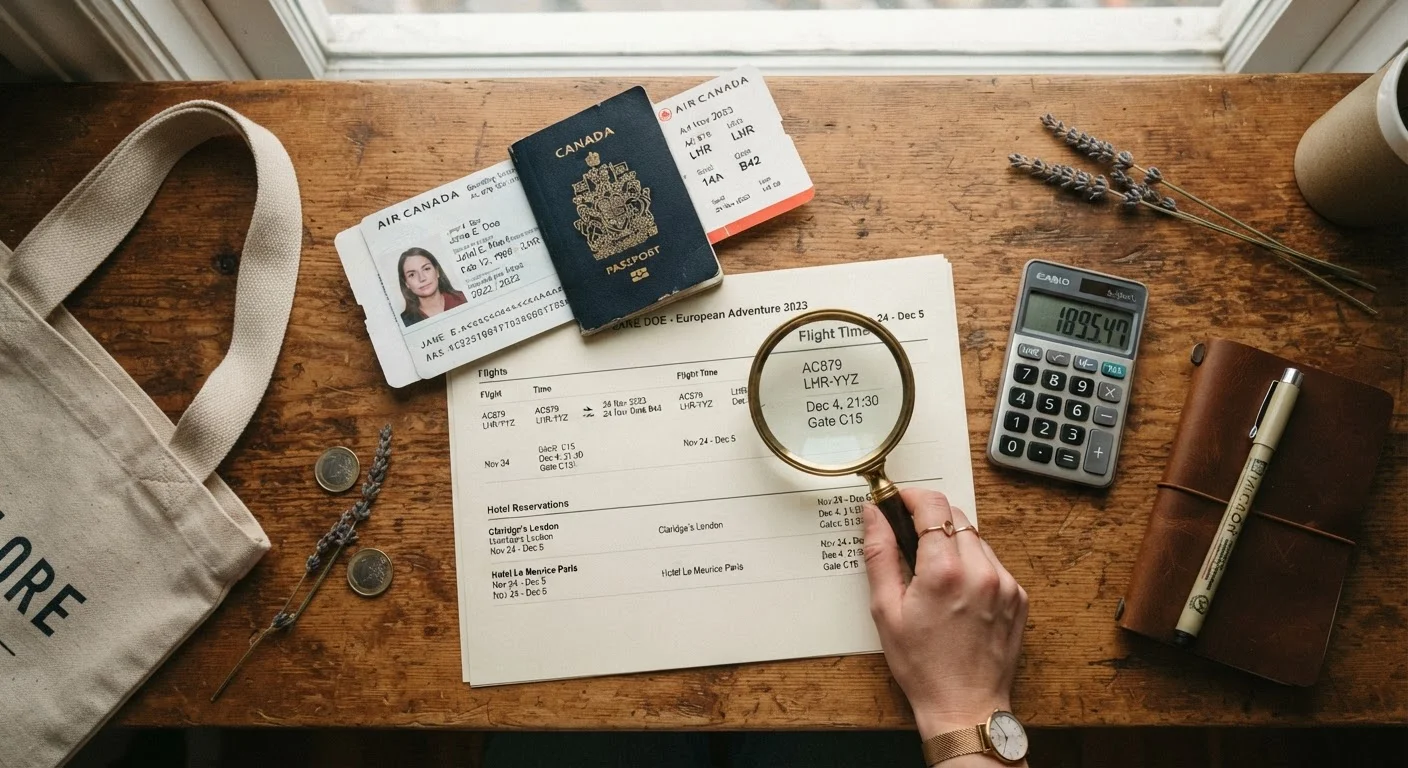
Photo credit: ResultsRover.com | Insights You Can Trust
In this article
Resort fees, dynamic pricing, foreign transaction charges — these costs quietly inflate trip budgets. Here's where to look and what to watch for.
Key Takeaways
- Resort fees, service charges, and cleaning fees are rarely shown in the advertised nightly rate.
- Foreign transaction fees and dynamic currency conversion can silently add 3–5% to every international purchase.
- Airline ancillary fees — bags, seats, changes — frequently exceed the base fare on budget carriers.
- Reading the full checkout summary before confirming any booking is the single most protective habit a traveler can build.
Why Hidden Travel Fees Are So Easy to Miss
Travel pricing is structured in layers. The rate that grabs your attention — on a search engine, a booking platform, or an airline's homepage — is almost always the minimum possible number: the base fare before taxes, the nightly rate before resort fees, the rental price before the cleaning charge. That's not an accident. It's how drip pricing works, and it's common across the entire travel industry.
The result: travelers routinely arrive at their destination having spent 15–30% more than they budgeted, with no single dramatic charge to blame — just a long tail of fees they didn't anticipate. A closer look at the costs most likely to blow up travel budgets shows just how consistent these patterns are. Understanding where fees hide is the first step to not paying them blindly.
$3B+
Annual US hotel resort fee revenue (estimated)
Industry analysts have estimated that US hotels collect billions annually in resort and amenity fees that are separate from advertised room rates.
1–3%
Typical foreign transaction fee per purchase
Most standard US bank cards charge between 1% and 3% on purchases made in foreign currencies, according to general banking disclosures.
The Most Common Fee Traps — And How to Avoid Them
The mistakes below cover the categories where travel budgets leak most predictably. Each one is avoidable with a few minutes of attention before you confirm a booking. For a systematic approach, run through a pre-trip planning checklist that addresses flights, accommodations, and money logistics in one pass.
Booking based on the advertised nightly rate without accounting for resort fees.
Why it happens: Hotels and booking platforms legally display the base rate first, with mandatory resort fees disclosed only at checkout or in fine print. The gap between the displayed price and the total billed can be $30–$50 per night.
Assuming a vacation rental's nightly rate covers the full cost of the stay.
Why it happens: Platforms allow hosts to list a low per-night price while stacking cleaning fees, service fees, and local taxes that only appear at the final checkout screen.
Ignoring airline ancillary fees when comparing flight prices.
Why it happens: Base fares on budget carriers are deliberately stripped of inclusions, making them appear cheaper than full-service options. Bag fees, seat selection charges, and change fees can collectively exceed the base fare.
Using a debit or credit card abroad without checking foreign transaction fees.
Why it happens: Many standard cards charge 1–3% on every foreign purchase, and travelers don't notice until the monthly statement arrives — well after the trip is over.
Skipping travel insurance review until something goes wrong.
Why it happens: Many travelers either skip insurance entirely or auto-accept the policy offered at checkout without reading what it covers — leaving gaps for trip cancellation, medical evacuation, or baggage loss.
Always Check the Full Checkout Total
Advertised rates almost never reflect what you'll actually pay. Before entering any payment information, scroll to the final order summary and compare the total to your initial budget. If a booking platform doesn't show all fees before checkout, search for the property's direct site or call the hotel to request a full fee disclosure.
These same fee-layering tactics show up outside of travel, too. Recognizing drip pricing and bundled add-ons by name makes them easier to spot in any context — not just when booking a trip.
Building a Fee-Aware Booking Habit
The most effective protection against hidden travel fees isn't a single trick — it's a repeatable habit at the checkout stage. Before confirming any reservation, pause on the final summary screen and verify three things: the itemized fee breakdown, the total charge in your billing currency, and the cancellation or change policy.
Dynamic Currency Conversion Is Rarely in Your Favor
When a foreign merchant or ATM offers to charge you in US dollars instead of local currency, it sounds convenient — but the exchange rate applied is typically set by the merchant, not your bank, and is almost always less favorable. Always choose to pay in local currency and let your card issuer handle the conversion. Verify your card's foreign transaction fee policy before departure.
Travelers who apply the same scrutiny to travel spending as they do to household expenses tend to catch more of these charges before they land. If you're working on overall budgeting basics, it's worth treating your trip total as a fixed budget line — fees included — rather than starting with the headline rate and hoping the final number stays close. The same principles that flag quiet household budget leaks apply directly to how travel costs accumulate.
No approach eliminates all surprises, but travelers who verify the full cost at checkout — not after arrival — are far less likely to return home with a budget hangover.

Author
Travel Smart Editorial Team
Travel Smart Editorial Team is the collective byline for our editorial team and contributor network. Articles published under this byline or an editorial pen name are researched, written, and reviewed according to our editorial standards for clarity, consistency, and independence before publication.
View all articles →