
What Tourists Get Wrong About Mexico City
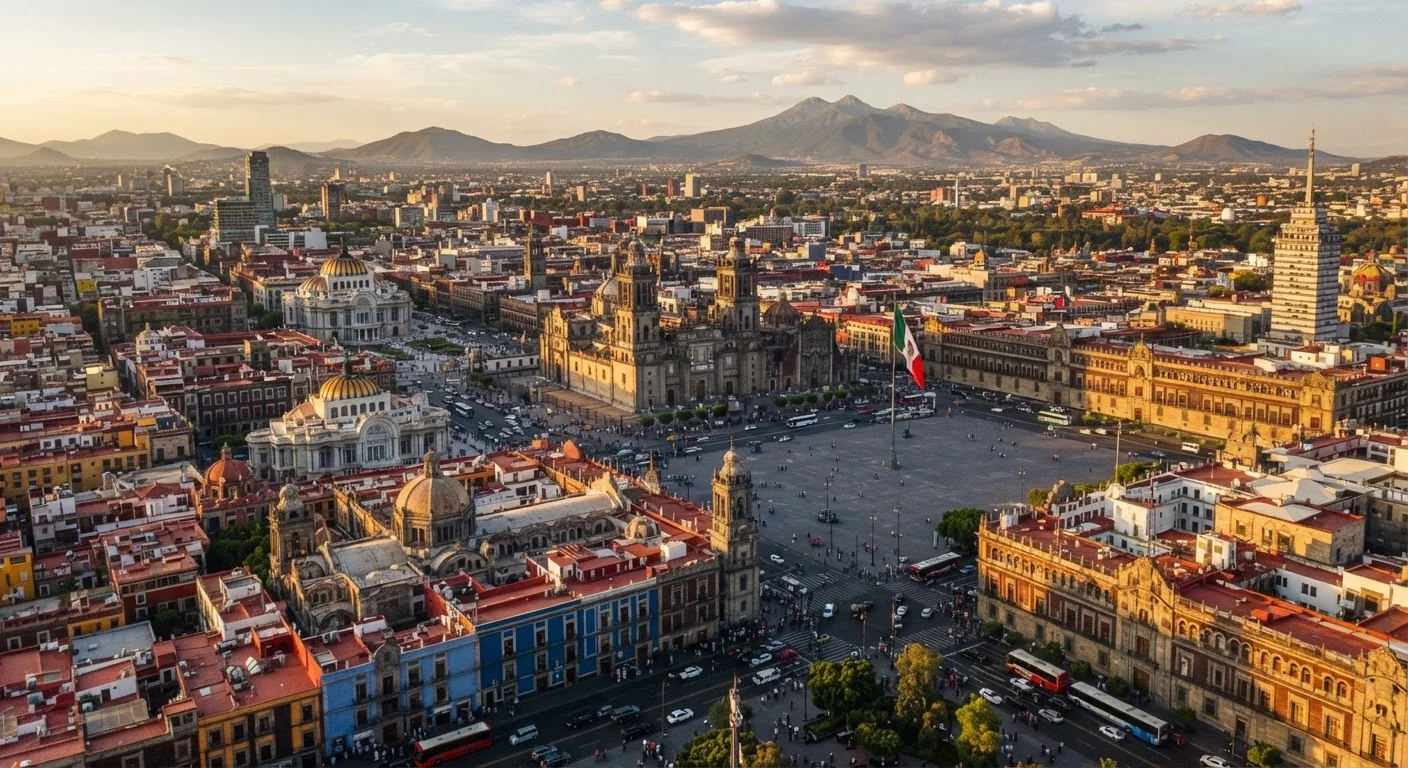
Photo credit: ResultsRover.com | Insights You Can Trust
In this article
From safety assumptions to neighborhood misunderstandings, many first-timers arrive with outdated or inaccurate impressions of Mexico City. Here's a clearer picture.
Key Takeaways
- Mexico City's major tourist neighborhoods are generally safe for informed, attentive travelers.
- The city has a sophisticated public transit system and a walkable historic core.
- Altitude sickness is a real concern — CDMX sits at roughly 7,350 feet above sea level.
- Street food is not inherently dangerous; vendor selection and hygiene observation matter most.
- Mexico City is a large, diverse metropolis — not a monolithic experience defined by one neighborhood.
Why First-Timer Assumptions Often Miss the Mark
Mexico City — officially Ciudad de México, or CDMX — is one of the largest cities in the world, home to more than 20 million people in its metro area. Yet many American travelers arrive anchored to impressions formed by outdated travel warnings, cable news, or secondhand stories. The result is a trip shaped more by anxiety than by reality.
The myths below aren't trivial misunderstandings. They affect where tourists choose to stay, what they're willing to eat, how they get around, and how much they enjoy themselves. Getting them right doesn't just reduce stress — it opens up a genuinely extraordinary city. Before you travel, it's also worth reviewing pre-arrival logistics to make sure the basics are covered.
Myth
Mexico City is too dangerous for tourists.
Fact
The popular visitor neighborhoods — Roma, Condesa, Polanco, Coyoacán, Centro Histórico — have risk profiles comparable to busy tourist districts in many major world cities.
The U.S. State Department issues travel advisories by Mexican state, not by city block. Mexico City (a federal entity, not part of any state) has historically carried a Level 2 advisory — the same rating as France and many other countries Americans visit routinely. Travelers should verify the current advisory at travel.state.gov before departure, since conditions can change. Staying in well-trafficked areas, using app-based car services at night, and being aware of surroundings significantly reduces exposure to opportunistic crime.
Myth
You can't drink the tap water, but the food is safe anywhere.
Fact
The tap water concern is valid — but street food safety depends on the vendor, not just the location.
Tap water in CDMX is treated but the aging pipe infrastructure introduces contamination risk; most locals and experienced travelers use purified water (agua purificada) for drinking. Street food, however, is not categorically unsafe. High-turnover stalls with hot, freshly cooked food and visibly hygienic preparation are generally lower-risk than a half-eaten cold dish at an empty cart. Use judgment: look for busy vendors, cooked-to-order items, and clean prep surfaces. Traveler's diarrhea can affect visitors to any country — carry an oral rehydration solution and consult a travel medicine provider before departure if you have specific health concerns.
Myth
The altitude is no big deal — it's not like you're climbing a mountain.
Fact
At approximately 7,350 feet above sea level, Mexico City's altitude causes noticeable symptoms in many visitors, especially in the first 24–48 hours.
Common symptoms of mild altitude adjustment include headache, fatigue, shortness of breath during light exertion, and disrupted sleep. These often ease after a day or two of rest and hydration. Travelers with cardiovascular or respiratory conditions should consult a physician before the trip. Avoiding alcohol on arrival day, drinking extra water, and pacing physical activity helps most visitors acclimate without significant disruption. Don't underestimate this — planning a packed first-day itinerary is a common mistake.
Myth
Mexico City is just one big urban sprawl — you'll need a car to get anywhere.
Fact
CDMX has one of the most extensive metro systems in the Americas, plus buses, the Metrobús, and app-based rideshare options.
The Metro covers the city comprehensively and is remarkably inexpensive. For tourists, the combination of Metro, Metrobús (dedicated-lane bus rapid transit), and app-based car services covers virtually every destination worth visiting. Driving in CDMX is genuinely complicated — traffic, parking, and the city's Hoy No Circula program (a rotating vehicle restriction by license plate) make renting a car both stressful and often unnecessary for visitors staying in central neighborhoods.
Myth
Spanish fluency is required to navigate Mexico City.
Fact
English is widely spoken in tourist-facing businesses, but learning basic Spanish phrases meaningfully improves your experience.
In Polanco, Condesa, Roma, and major museums, English is common. Outside those zones — at local markets, smaller restaurants, and on transit — Spanish is the working language. Even a modest effort with greetings, numbers, and basic requests (in correct Mexican Spanish pronunciation) signals respect and tends to generate goodwill. Translation apps have also made navigating menus and signs much more manageable than they were even five years ago.
Practical Context for Planning Your Visit
Understanding what CDMX actually is — rather than what the misconceptions suggest — changes the whole planning calculus. This is a city with world-class museums, a UNESCO-listed historic center, an acclaimed food scene, and a metro system that moves millions of people daily. It also has real challenges: traffic, air quality on certain days, and the same petty crime risks present in any major metropolitan area.
7,350 ft
Mexico City's elevation above sea level
CDMX sits higher than many visitors expect, contributing to altitude-related symptoms in the first 24–48 hours of arrival.
4+ million
Daily Metro riders in CDMX
Mexico City's Metro is among the busiest in the Western Hemisphere, making it a practical transit option for most tourist destinations.
Level 2
U.S. State Dept. advisory (Mexico City)
Mexico City has historically carried a Level 2 advisory — the same as many European destinations — though travelers should verify current status before booking.
First-time visitors would do well to treat CDMX the way they'd treat any large city abroad: stay alert, know your neighborhoods, use reputable transit options, and don't flash valuables. Those same common-sense rules apply in Chicago, Paris, or anywhere else. For a broader look at what tends to trip travelers up before they even land, see common arrival mistakes.
Verify Entry and Health Requirements Before You Go
Entry requirements, recommended vaccinations, and local health conditions can change. Always check the CDC's destination page for Mexico and the U.S. State Department's Mexico travel advisory before booking. This article provides general information only — consult a travel medicine provider for personalized health guidance.
Finally, budget travelers should know that CDMX is one of the more affordable major capitals for Americans — but costs vary considerably by neighborhood and dining choice. For a grounded overview of cost-conscious travel planning, budget travel fundamentals is a solid starting point. And don't overlook the small logistical details that derail otherwise solid itineraries — this checklist covers the ones most travelers miss.

Author
Travel Smart Editorial Team
Travel Smart Editorial Team is the collective byline for our editorial team and contributor network. Articles published under this byline or an editorial pen name are researched, written, and reviewed according to our editorial standards for clarity, consistency, and independence before publication.
View all articles →