
Arriving in a New Country Without a Plan: Where Things Usually Go Wrong
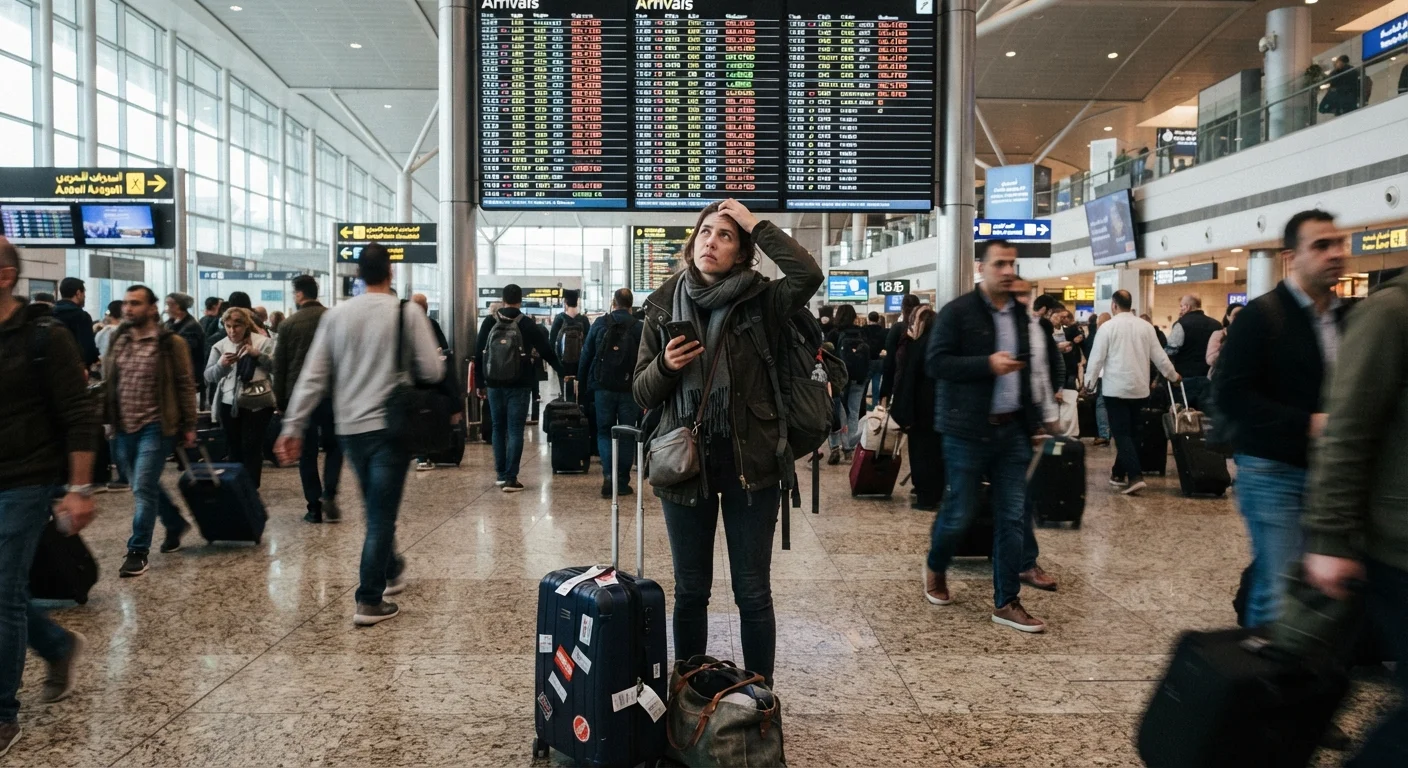
Photo credit: ResultsRover.com | Insights You Can Trust
In this article
From SIM card gaps to currency confusion and missed transit connections, here are the friction points most travelers encounter — and how to get ahead of them.
Key Takeaways
- Connectivity gaps hit hardest right after landing — sort a SIM or data plan before you arrive.
- Airport currency exchange desks typically offer significantly worse rates than in-city alternatives.
- Missing your onward transit connection is a common and costly first-day mistake.
- Not confirming your accommodation address offline can strand you if your phone dies.
- Entry document requirements vary and can change — always verify with official government sources before flying.
The First Hour Is Where Most Plans Fall Apart
You've landed. Your checked bag is somewhere on the carousel, your phone is in airplane mode, and you have no local currency, no SIM card, and no idea which exit leads to the train. This is the scenario that catches even experienced travelers off guard — not the trip itself, but the transition into it.
Most arrival-day friction is entirely predictable. The problems that derail first-timers — and plenty of repeat travelers — tend to cluster around a handful of gaps: connectivity, cash, transit, and documentation. Address those four in advance and your first day looks very different. Small overlooked details across each category are what turn manageable inconveniences into genuine crises.
Arriving without local connectivity and no offline backup.
Why it happens: Travelers assume airport Wi-Fi will cover them or that their US carrier plan works internationally without extra steps — often neither is reliable in the critical first hour.
Exchanging currency at the airport arrivals desk.
Why it happens: It's visible, convenient, and feels like the logical first step — but airport currency desks typically apply wide spreads and fees that cost meaningfully more than alternatives.
Underestimating transit time between the airport and your first destination.
Why it happens: Travelers map the airport-to-hotel journey but don't account for immigration queues, baggage claim delays, or the actual frequency of trains and buses from international terminals.
Not having accommodation confirmation details accessible offline.
Why it happens: Booking confirmations live in email, and email requires data. If your phone dies or connectivity fails, you may not remember the hotel name, street address, or check-in instructions.
Assuming entry requirements haven't changed since you last checked.
Why it happens: Visa rules, entry authorizations (like ETIAS for Europe or ETA requirements for other destinations), and health documentation requirements do change — sometimes with little notice.
Planning Ahead Pays Off at the Border and Beyond
The mistakes above share a common cause: decisions that felt fine to defer at home become urgent problems at 11 p.m. in an unfamiliar terminal. The fix isn't an elaborate itinerary — it's a short pre-departure checklist that covers the practical gaps.
6 months
Passport validity many countries require beyond entry date
Numerous countries — including popular destinations in Southeast Asia and the Middle East — require a passport valid for at least six months beyond your planned stay; verify requirements with the U.S. Department of State before traveling.
~3–8%
Typical airport currency exchange spread above interbank rate
Airport exchange bureaus commonly apply margins well above interbank rates; the exact spread varies by location, provider, and currency pair.
Before any international trip, confirm your passport validity (many countries require six months beyond your travel dates), research whether your destination requires a visa or entry authorization, and check the U.S. Department of State's travel advisories for current conditions. For destination-specific logistics — transit card systems, tipping norms, cash culture — destination fast-fact resources help significantly. For example, Tokyo's entry and transit logistics differ considerably from what American travelers are used to.
If you're newer to international travel, a structured trip-planning overview can help you build the right habits before you ever get to the airport. And if budget management is part of your concern, pairing arrival-day prep with a pre-trip financial checklist keeps costs from spiraling on day one.
Entry Requirements Are Your Responsibility to Verify
Visa rules, entry authorizations, and health documentation requirements change without broad publicity. No travel article — including this one — can substitute for checking official government sources immediately before your trip. Always verify current requirements at travel.state.gov and the destination country's official immigration website before you fly.
Arriving prepared doesn't mean having every hour scheduled. It means the critical logistics — connectivity, cash access, transit route, accommodation address — are handled before you clear customs. Everything else can stay flexible.

Author
Travel Smart Editorial Team
Travel Smart Editorial Team is the collective byline for our editorial team and contributor network. Articles published under this byline or an editorial pen name are researched, written, and reviewed according to our editorial standards for clarity, consistency, and independence before publication.
View all articles →