
Hawaii's Six Main Islands: Which One Actually Fits Your Trip
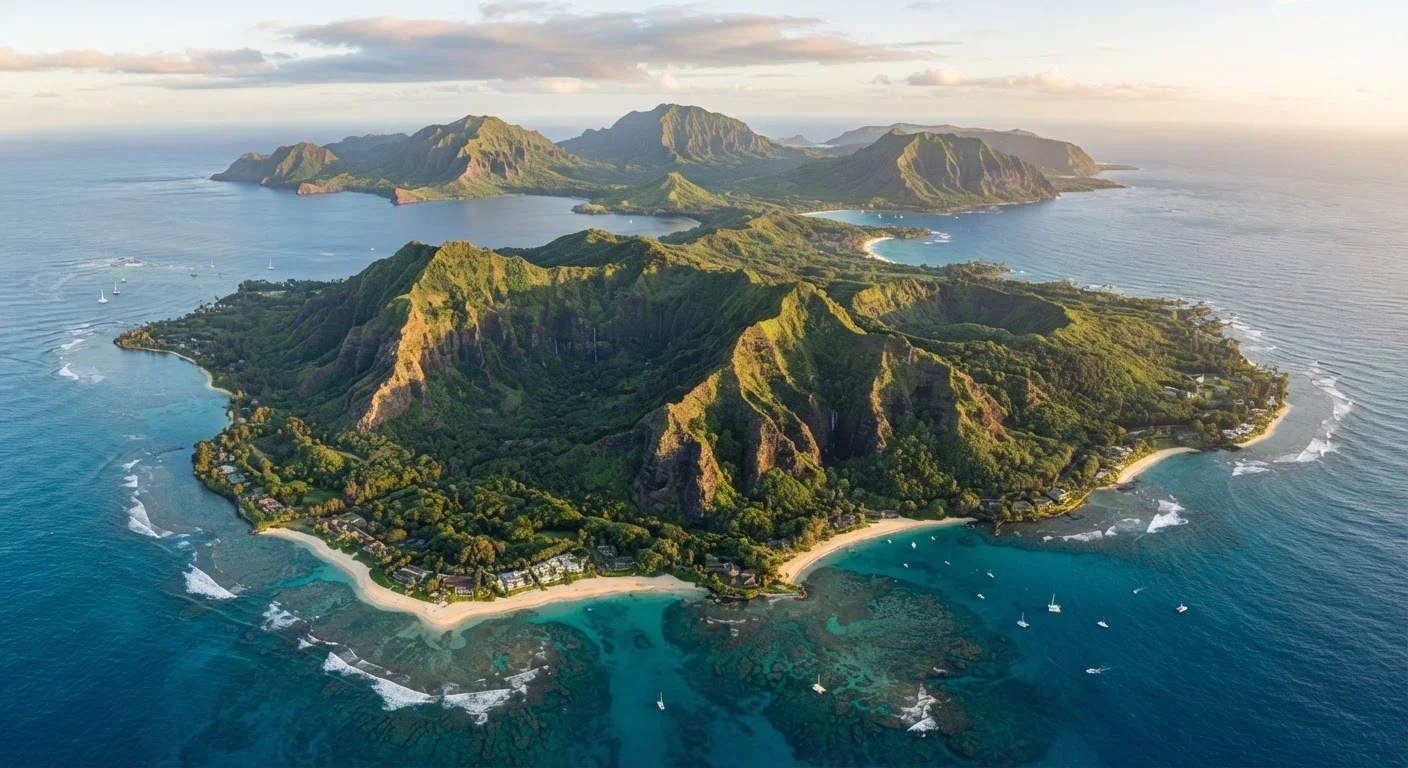
Photo credit: ResultsRover.com | Insights You Can Trust
In this article
Oahu, Maui, Kauai, the Big Island, Molokai, and Lanai each offer a distinct experience. Here's how to choose the right one for your travel style.
Key Takeaways
- Oahu suits first-timers who want beaches, nightlife, and easy logistics all in one place.
- Maui balances resort comfort with outdoor adventure, making it broadly appealing but often crowded.
- Kauai is the go-to for dramatic scenery and a slower pace, with limited nightlife.
- The Big Island is the only place in Hawaii where you can see active lava and snow-capped peaks.
- Molokai and Lanai offer genuine seclusion but have fewer amenities and higher logistical costs.
- Verify entry requirements, accommodations, and conditions with official sources before booking.
Why the Island Choice Matters More Than Most Travelers Realize
Booking a trip to "Hawaii" without picking your island carefully is like booking a trip to "Europe" and being surprised where you land. Each of the six main islands has a distinct personality, infrastructure level, price point, and natural environment. Getting this decision right early saves real money and prevents real disappointment.
If you haven't yet nailed down your core priorities — budget, pace, travel dates, activity preferences — spend a few minutes with this destination planning framework before diving into island specifics. It will make the comparison below much more useful.
| Oahu | Maui | Kauai | Big Island | Molokai | Lanai | |
|---|---|---|---|---|---|---|
| Crowd Level | Very High | High | Moderate | Moderate | Very Low | Low |
| Best For | First-timers, nightlife | Adventure + resort mix | Hiking, scenery | Volcanoes, stargazing | Solitude, history | Luxury, seclusion |
| Infrastructure | Excellent | Good | Good | Good | Minimal | Limited |
| Flight Access | Best | Very Good | Good | Good | Inter-island only | Inter-island only |
| Price Range | Mid–High | High | Mid–High | Mid | Low–Mid | Very High |
| Nightlife & Dining | Extensive | Good | Limited | Moderate | Very limited | Resort-only |
| Natural Highlights | Beaches, Diamond Head | Haleakalā, Road to Hana | Na Pali Coast, valleys | Active lava, Mauna Kea | Kalaupapa, sea cliffs | Interior backcountry |
Oahu, Maui, and Kauai: The Three Most Visited Islands
Oahu is where roughly two-thirds of Hawaii's visitors land, and the infrastructure shows it. Honolulu offers the widest range of flights from the US mainland, the most accommodation options across price levels, and the easiest public transit of any island. Waikiki Beach is heavily commercialized, but Diamond Head, the North Shore surf scene, and the historical sites around Pearl Harbor give it genuine depth. It's the most practical starting point for first-timers.
Maui consistently ranks as a top destination for a reason: it packs an unusual range of terrain into a manageable size. Road to Hana, Haleakalā National Park, and the Kaanapali Coast are all distinct experiences accessible in a single week. The tradeoff is crowds — particularly around Lahaina and popular sunrise spots — and room rates that trend higher than Oahu.
Visiting Maui After the 2023 Lahaina Fire
The August 2023 wildfire caused severe damage to Lahaina's historic district. Before booking activities or accommodations in West Maui, check current status with the Hawaii Tourism Authority and individual operators. Some areas have reopened; others remain affected. Supporting local businesses that are operating is a meaningful way to contribute to the region's recovery.
Kauai is the oldest of the main islands geologically, and the landscape reflects it — deeply eroded valleys, towering sea cliffs along the Na Pali Coast, and a lushness that earns it the nickname "the Garden Isle." What Kauai lacks is nightlife, big resort infrastructure, and easy inter-island connections. It genuinely rewards those who specifically want hiking, kayaking, and solitude over pool bars and luau shows.
The Big Island, Molokai, and Lanai: The Distinct Alternatives
The Big Island (Hawaii Island) is larger than all the other Hawaiian islands combined. It contains eleven of the world's thirteen climate zones, active lava flows at Hawaii Volcanoes National Park, and the Mauna Kea summit at nearly 14,000 feet — one of the world's premier stargazing sites. The island's sheer size means you need a car and a clear plan; distances between attractions are substantial. It suits travelers who want geological and ecological extremes over polished resort experiences.
Molokai is deliberately low-development. There are no traffic lights, no major resorts, and a local culture that has actively resisted mass tourism. The Kalaupapa National Historical Park — only accessible by mule ride or a steep hiking trail — is one of Hawaii's most historically significant sites. Visitors who thrive here tend to be self-directed and comfortable with minimal infrastructure.
Lanai swings the opposite direction: it's small, private, and home to two high-end resorts. Most of the island's interior is accessible only by four-wheel-drive. It suits travelers seeking exclusivity and seclusion over beaches or local culture. The ferry from Maui makes a day trip viable if an overnight stay isn't in the budget.
For a useful parallel exercise in matching destinations to travel style, see how Southeast Asian countries compare across pace and terrain — the same framework applies here.
Practical Logistics That Shape the Decision
Flight access matters. Oahu and Maui receive the most direct flights from US mainland hubs, which typically means more scheduling flexibility and competitive pricing. The Big Island (served by both Kona and Hilo airports) is well-connected but with fewer nonstop options from some cities. Kauai is served by Lihue Airport and has grown its direct routes significantly. Molokai and Lanai require inter-island connections — usually through Honolulu — which adds time and cost.
Island-hopping is appealing in theory but expensive in practice. Inter-island flights add up quickly, and a single week split between two islands often leaves travelers feeling rushed on both. Unless your trip is ten days or longer, committing fully to one island tends to produce a better experience than splitting the time.
Prices, schedules, and conditions across all Hawaiian islands can change. Always verify current flight availability, accommodation options, and park access with official sources and your travel provider before booking.

Author
Travel Smart Editorial Team
Travel Smart Editorial Team is the collective byline for our editorial team and contributor network. Articles published under this byline or an editorial pen name are researched, written, and reviewed according to our editorial standards for clarity, consistency, and independence before publication.
View all articles →