
Southeast Asia Trip Planning: Matching Countries to Your Travel Style
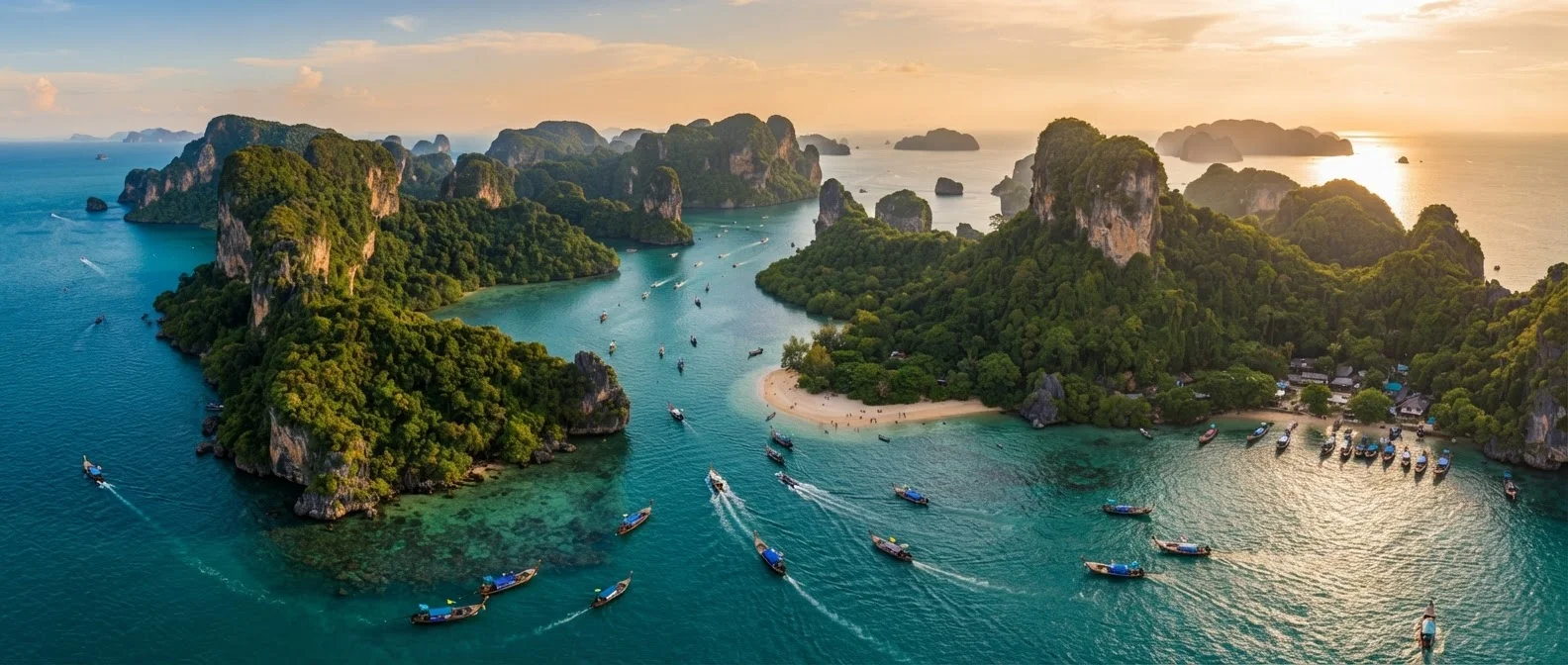
Photo credit: ResultsRover.com | Insights You Can Trust
In this article
Thailand, Vietnam, Cambodia, Indonesia, and the Philippines each suit different preferences. See how they compare on pace, cost structure, and terrain.
Key Takeaways
- Thailand offers the widest infrastructure for first-time international travelers, from beach resorts to northern trekking routes.
- Vietnam suits itinerary-driven travelers who want geographic variety across a long north-to-south corridor.
- Cambodia is compact and history-focused, making it ideal for shorter trips centered on cultural depth.
- Indonesia's scale demands advance planning; Bali is accessible, but island-hopping requires extra logistics.
- The Philippines rewards flexible schedules with world-class diving and remote island access, but weather windows matter.
- Daily cost structures vary significantly across all five countries — budget style stretches furthest in Cambodia and Vietnam.
Why the Country You Pick Changes Everything
Southeast Asia is often treated as a single destination, but Thailand, Vietnam, Cambodia, Indonesia, and the Philippines are meaningfully different in terrain, pace, infrastructure, and cost structure. Choosing based on a highlight reel — temples, beaches, rice paddies — without considering your actual travel style is one of the most common planning mistakes American travelers make.
Before you book, it helps to run through a few key questions. Questions around budget, season, and personal priorities can clarify which destination actually fits rather than just appeals. This comparison gives you the direct intel to make that call faster.
| Thailand | Vietnam | Cambodia | Indonesia | Philippines | |
|---|---|---|---|---|---|
| Best trip length | 1–3 weeks | 2–4 weeks | 4–10 days | 1–4 weeks | 1–3 weeks |
| Infrastructure ease | High | Moderate–High | Moderate | Moderate (Bali) / Low (outer islands) | Moderate |
| Relative daily cost | Low–Moderate | Low | Low | Low–Moderate | Low–Moderate |
| Primary terrain | Mountains, coast, temples | Long coastal corridor | Jungle, temples | Volcanoes, reefs, rainforest | Islands, reefs, beaches |
| Weather risk | Seasonal, manageable | Varies by region | Dry season critical | Island-dependent | High typhoon exposure |
| Best for | First-timers, all-rounders | Culture + variety seekers | History-focused, short trips | Divers, adventure travelers | Divers, beach lovers |
| Internal travel complexity | Low | Moderate | Low | High | High |
Country-by-Country Breakdown
Thailand
Thailand has the most developed tourism infrastructure in the region. Domestic flights are frequent and affordable, trains connect major hubs, and English is widely spoken in tourist areas. It works well for first-timers and for travelers who want options — northern mountains, central temples, southern islands — without navigating complex logistics. The tradeoff is that popular areas like Phuket and Chiang Mai are well-worn; solitude requires deliberate detours.
Vietnam
Vietnam's north-to-south geography makes it natural for linear itineraries. Hanoi, Hoi An, Hue, Ho Chi Minh City, and Ha Long Bay each deliver distinct experiences. Budget accommodation and street food keep daily costs low, though internal flights add up if you're covering the full length of the country. This suits travelers who enjoy moving between places and tracking cultural shifts across a corridor.
Cambodia
Cambodia is the most compact option here, which is both its strength and its constraint. Angkor Wat and the surrounding temple complex alone can anchor a meaningful multi-day visit. The country moves at a slower pace, costs are among the lowest in the region, and it pairs naturally with southern Vietnam or eastern Thailand for multi-country trips. It's less suited to travelers seeking beach variety or active outdoor adventure.
Indonesia
Indonesia spans over 17,000 islands, making scale the defining planning challenge. Bali is the accessible entry point — well-connected, with strong hospitality infrastructure. Moving beyond Bali to Lombok, the Gili Islands, Raja Ampat, or Komodo requires planning flights, ferries, and sometimes liveaboards in advance. For travelers willing to put in that logistical work, the payoff is extraordinary; for those who prefer spontaneity, Indonesia can frustrate.
The Philippines
The Philippines offers some of the best diving and island scenery in the world, particularly in Palawan and the Visayas. But the archipelago's 7,000-plus islands mean internal travel relies heavily on flights and ferries, both subject to weather disruptions. Typhoon season (roughly June through November) significantly narrows safe travel windows in many areas. Travelers with fixed departure dates should research regional seasonality carefully before committing to specific islands.
Multi-Country Trips: Pair Wisely
If you're combining two countries in one trip, geographic logic saves time and money. Vietnam and Cambodia connect efficiently overland through popular border crossings. Thailand and Indonesia work as a two-stop flight itinerary. The Philippines, being entirely island-based and farther east, works best as a standalone destination rather than a regional add-on.
Practical Planning Notes for U.S. Travelers
All five countries currently offer visa-on-arrival or visa-free entry for U.S. passport holders under most standard tourism conditions, but entry requirements, durations, and fees change. Always verify current requirements through the U.S. Department of State and the destination country's official immigration authority before booking.
Flight routing from the U.S. typically connects through major Asian hubs — Tokyo, Seoul, Hong Kong, Singapore, or Taipei. Routing through Singapore or Bangkok often gives the most onward flexibility within the region. Factor in a buffer day for long-haul arrival before beginning heavy itinerary days.
For budget-focused travelers, an end-to-end guide to affordable trip planning covers how to think about flight timing, accommodation tiers, and money management on the ground — all of which behave differently across these five destinations. And once you've chosen a country, itinerary habits that experienced travelers rely on can help you build a schedule that holds up under real travel conditions.
This article is for general informational purposes only. Entry requirements, visa rules, travel advisories, and local conditions can change. Verify all travel details with official government and airline sources before booking.

Author
Travel Smart Editorial Team
Travel Smart Editorial Team is the collective byline for our editorial team and contributor network. Articles published under this byline or an editorial pen name are researched, written, and reviewed according to our editorial standards for clarity, consistency, and independence before publication.
View all articles →