
Why Your Return Got Rejected — and What You Can Do Next
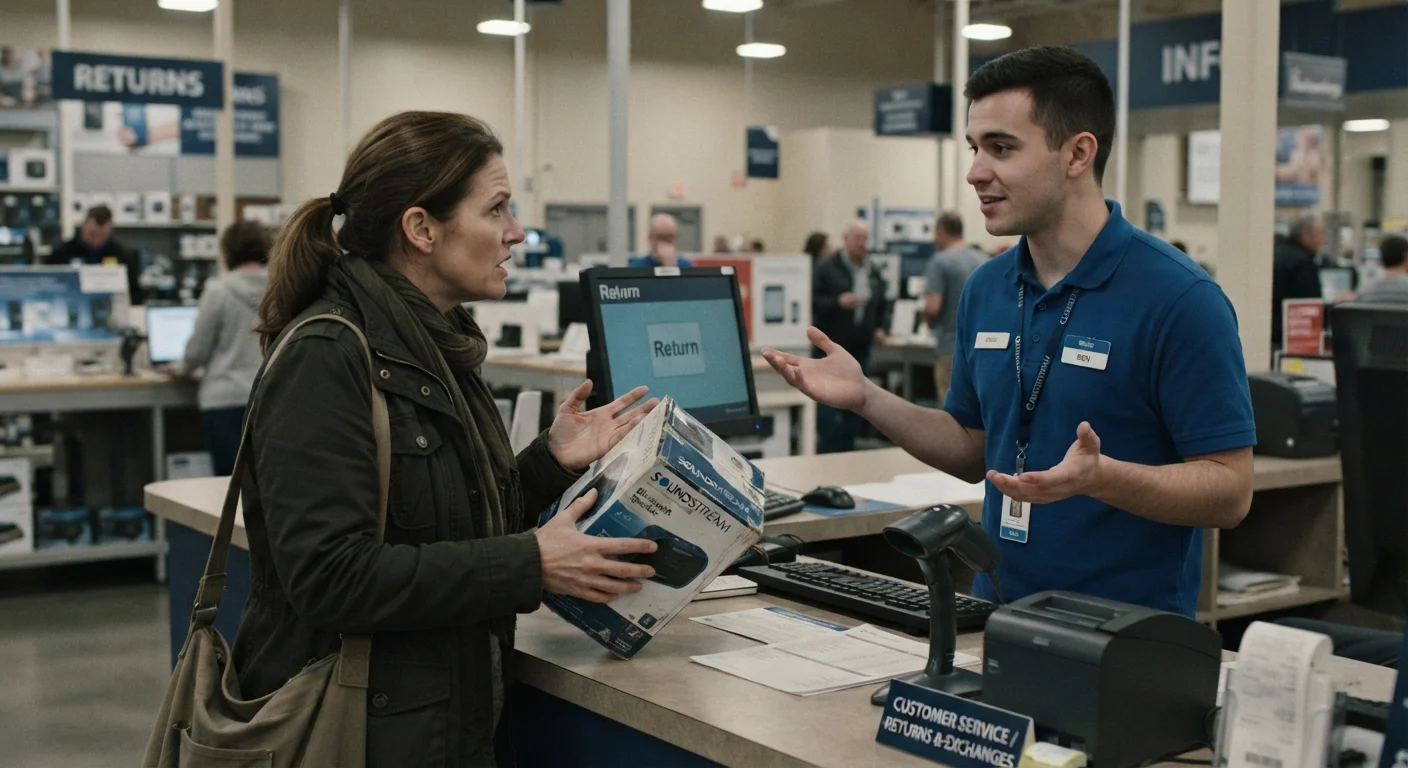
Photo credit: ResultsRover.com | Insights You Can Trust
Stores deny returns for specific, often fixable reasons. Learn the most common causes and how to escalate or appeal a declined return.
Key Takeaways
- Returns are most often rejected for missing receipts, expired windows, or damaged packaging — all preventable.
- A polite escalation to a manager or corporate customer service resolves many front-line rejections.
- Credit card purchase protection and manufacturer warranties can serve as fallback options after a store denial.
- Knowing the exact policy before initiating a return dramatically reduces the chance of rejection.
The Most Common Reasons Stores Say No
A rejected return almost always comes down to one of a handful of specific, policy-based reasons — not arbitrary decisions. Stores operate under defined rules, and front-line staff are generally required to enforce them without exception. Understanding what those rules are before you return puts you in a far stronger position.
The most frequent reasons for denial include expired return windows, missing proof of purchase, compromised or absent original packaging, item condition issues (signs of use, wear, or damage), and product category exclusions such as final-sale or hygiene items. Online returns carry additional complexity around shipping timelines and condition verification — factors covered separately in our guide to online purchase return rules.
The good news: each of these is either preventable upfront or, in many cases, still addressable after the fact through escalation or alternative recourse.
Attempting the return after the policy window has closed.
Why it happens: Shoppers often forget that return windows start at purchase, not at the date they open or use the product. Gift recipients are especially vulnerable, since the clock may have started weeks before they received the item.
Returning an item without the original receipt or order confirmation.
Why it happens: Many consumers assume a credit card statement or a loyalty account lookup is sufficient proof of purchase. Policies vary widely — some retailers require the original transaction record.
Discarding or damaging the original packaging before deciding to return.
Why it happens: It's natural to open and use a product right away. Most consumers don't realize that many retailers — especially for electronics and appliances — require resalable packaging for a full refund.
Attempting to return an item on the excluded or final-sale list.
Why it happens: Shoppers often don't read the fine print at checkout or assume that a general return policy applies to every product category equally.
Accepting a front-line rejection without escalating.
Why it happens: Many consumers take a store associate's initial refusal as final. In practice, associates have limited discretion, and managers or corporate customer service often have the authority to make exceptions.
When the Store Still Says No: Your Next Steps
A denial at the customer service desk isn't necessarily the end. Several legitimate escalation and fallback paths remain available.
Document Everything Before You Return
Take photos of the item, its condition, original packaging, and any visible defects before heading to the store or shipping it back. If a dispute arises later, this evidence is often the difference between a successful appeal and a permanent denial. Keep digital copies of receipts and order confirmation emails in a dedicated folder.
Escalate Within the Retailer
Request a manager rather than re-arguing with the same associate. If an in-store escalation fails, corporate customer service — reachable by phone, email, or chat — often has broader authority to grant exceptions, particularly for loyal customers or unusual circumstances. Keep your tone factual and your documentation ready.
Use Credit Card Purchase Protection
Many credit cards include purchase protection or return protection benefits that can reimburse you for items a retailer refuses to take back, within certain time and dollar limits. Check your card's benefits guide or call the number on the back of your card. This is a general financial benefit — terms vary by card issuer, so verify what applies to your account.
Pursue a Manufacturer Warranty Claim
If your item is defective and the return window has passed, a manufacturer warranty may still cover repair or replacement. The transition between a store's return policy and a product's warranty period is something many consumers miss — our article on what happens after the return window closes explains how that handoff works.
Return Fraud Flags Can Follow You
Retailers increasingly share return behavior data through third-party systems. Repeated returns without receipts — even legitimate ones — can result in a store flagging your account and restricting future returns. Always retain proof of purchase and avoid returning items that fall outside the stated policy to protect your return privileges long-term.
File a Dispute (With Caution)
A credit card chargeback is a last resort for situations involving a defective product, misrepresentation, or items never received — not simply a case of buyer's remorse. Misusing disputes can result in losing the ability to make future purchases from that retailer. Use this option only when genuine grounds exist and other remedies have been exhausted.
This article provides general consumer information and is not legal or financial advice. Policies vary by retailer; always verify terms directly with the store before making a purchase or return.

Author
Smart Shopping Editorial Team
Smart Shopping Editorial Team is the collective byline for our editorial team and contributor network. Articles published under this byline or an editorial pen name are researched, written, and reviewed according to our editorial standards for clarity, consistency, and independence before publication.
View all articles →