
Pet Dental Health: What Happens When You Skip the Teeth
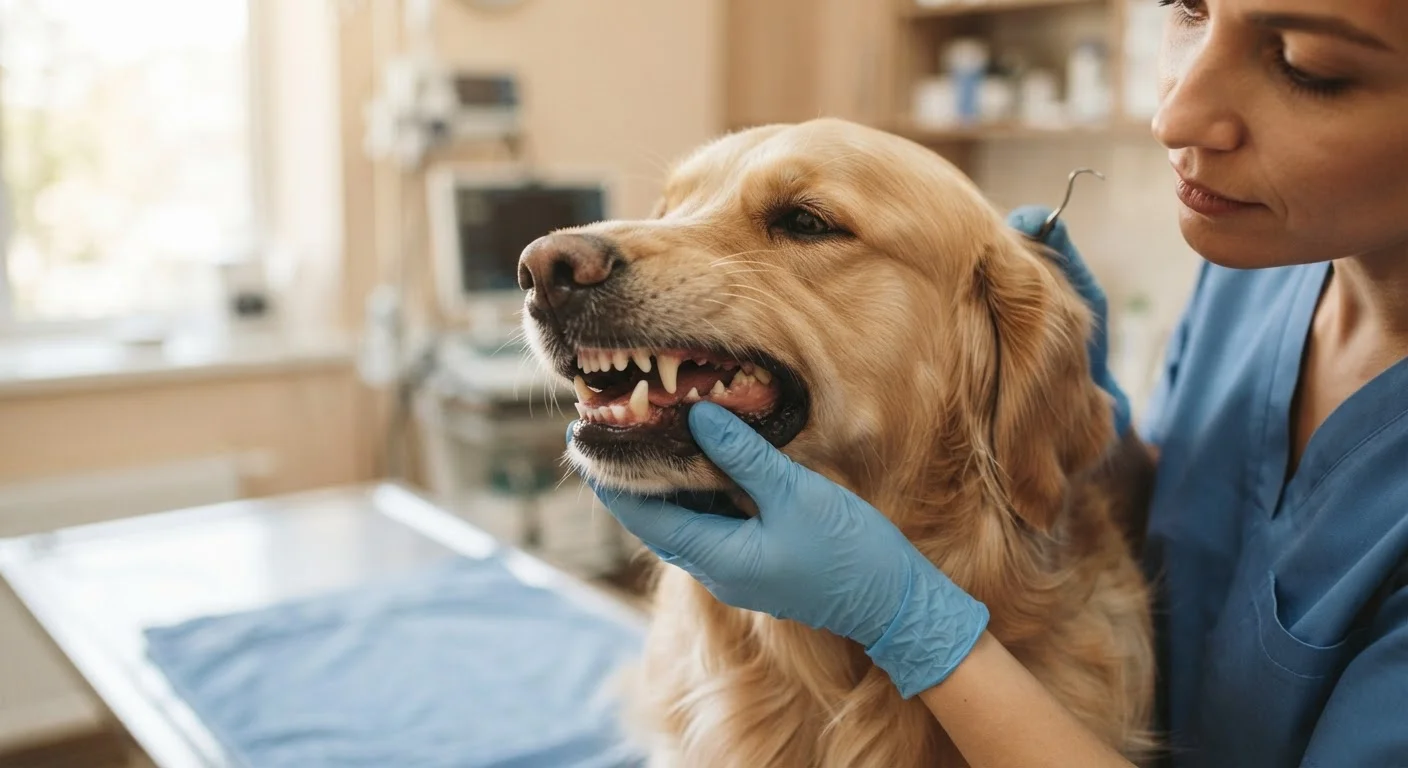
Photo credit: ResultsRover.com | Insights You Can Trust
In this article
Dental disease is one of the most common — and overlooked — health issues in pets. Learn why oral health matters far beyond bad breath.
Key Takeaways
- By age three, most dogs and cats already show early signs of dental disease.
- Dental disease is not just a mouth problem — it can affect the heart, kidneys, and liver.
- Bad breath is often the first visible sign, but pain and bone loss may occur silently.
- Home brushing and professional cleanings together form the most effective prevention strategy.
- Early intervention is far less costly and stressful than treating advanced disease.
Why Dental Health Is a Whole-Body Issue
When most pet owners think about dental care, they think about bad breath. But veterinary professionals know that the mouth is a window into overall health — and that neglected teeth carry consequences that extend far beyond an unpleasant smell.
Periodontal disease begins with plaque, a soft film of bacteria that forms on teeth after eating. If plaque is not regularly removed, it mineralizes into tartar — the rough, yellow-brown buildup visible along the gumline. Bacteria then work their way beneath the gums, triggering inflammation and, over time, destroying the bone and ligaments that hold teeth in place.
The problem does not stop at the jaw. When gum tissue is infected and inflamed, bacteria can enter the bloodstream. Veterinary research has associated severe periodontal disease with changes in kidney, liver, and heart tissue in dogs and cats. This systemic connection is one of the central reasons the American Veterinary Medical Association (AVMA) and veterinary dental specialists advocate for consistent oral care throughout a pet's life — not just when something looks wrong.
Dental Disease and Systemic Health
The link between periodontal bacteria and organ health is an active area of veterinary research. While the association between severe dental disease and changes in kidney, liver, and heart tissue is documented in veterinary literature, researchers continue to study the precise mechanisms. Owners should understand this as a compelling reason for prevention, not a guarantee of organ failure if one cleaning is missed.
For owners of older animals, dental disease takes on added urgency. Explore how health needs shift as pets age to understand why oral care is a key part of senior wellness.
What Skipping Dental Care Actually Looks Like
Pets are instinctively stoic about pain. A dog with a fractured, infected tooth may continue eating, playing, and behaving normally — giving owners no visible signal that something is wrong. This is one of the most important things to understand about pet dental disease: the absence of obvious symptoms does not mean the absence of disease.
Here is how the progression typically unfolds when dental care is skipped:
- Stage 1 — Gingivitis: Gums appear slightly red or puffy. This stage is fully reversible with a professional cleaning and consistent home care.
- Stage 2 — Early periodontitis: Some attachment loss between the tooth and gum. Professional treatment can halt progression, though some damage is already done.
- Stage 3 — Moderate periodontitis: Significant bone loss around affected teeth. Extractions may be necessary.
- Stage 4 — Advanced periodontitis: Severe bone loss, root exposure, and possible jaw involvement. This stage often requires multiple extractions and carries greater anesthetic risk due to infection.
Most pet owners are surprised to learn their animal had Stage 3 or 4 disease — because the pet showed almost no behavioral change. This is why routine vet visits catch what owners often can't; an oral exam under proper lighting, and dental X-rays, reveal what a quick look at home cannot.
Start Dental Habits Early
The best time to introduce toothbrushing is when your pet is young — puppies and kittens adapt more readily to having their mouths handled. If you have an adult pet, go slowly: let them sniff the brush, then touch the teeth without brushing, then gradually work up to a full routine. Pair each session with calm praise or a small reward to build positive associations.
Building an Effective Home Care Routine
Professional cleanings done under anesthesia are the gold standard for removing tartar and assessing bone health — but they are most effective when paired with consistent care at home. Think of professional cleanings the way you think of seeing a dentist: necessary, but not a substitute for daily brushing.
Brushing: The Most Effective Home Tool
Daily toothbrushing with a pet-safe enzymatic toothpaste is the most evidence-supported home strategy for reducing plaque. Human toothpaste contains ingredients toxic to pets and must never be used. Begin by letting your pet taste the toothpaste, then gradually introduce a soft brush or finger brush over several sessions. Most dogs and cats can be gradually acclimated to brushing with patience and positive reinforcement.
Supplemental Options
For pets who resist brushing, veterinary dental organizations have evaluated water additives, dental chews, and dental diets that carry a seal of acceptance from groups such as the Veterinary Oral Health Council (VOHC). These can complement brushing but are generally less effective as a standalone strategy.
What does not work: anesthesia-free dental scaling performed without a full oral exam. This removes visible tartar but leaves disease below the gumline untreated and gives owners a false sense that the problem is solved.
Good dental care is a core part of everyday pet care basics — and it is one routine where consistency over time matters more than any single intervention.
80%
Dogs with dental disease by age three
According to the American Veterinary Medical Association, approximately 80% of dogs show signs of oral disease by age three.
70%
Cats affected by dental disease by age three
Veterinary dental specialists estimate that around 70% of cats develop some form of periodontal disease by their third year.
#1
Most diagnosed condition in dogs and cats
Periodontal disease is consistently cited by veterinary organizations as the most commonly diagnosed health condition in companion animals.
Early Warning Signs Every Owner Should Know
Catching dental disease in its early, reversible stages depends on owners knowing what to look for between vet visits. Make it a habit to do a quick visual check of your pet's mouth monthly — you do not need to be a professional to spot early red flags.
Signs That Warrant a Vet Call
- Persistent bad breath that does not resolve
- Yellow or brown deposits along the gumline
- Red, swollen, or bleeding gums
- Loose teeth or teeth that appear to be shifting
- Pawing at the mouth or face
- Dropping food, chewing on one side, or reluctance to eat hard food
- Excessive drooling
It is worth noting that one widespread myth vets frequently correct is that dogs' mouths are self-cleaning or naturally clean. They are not — bacterial populations in the mouth can be substantial, and regular care is the only reliable way to manage them.
This article is for general informational purposes only and is not a substitute for professional veterinary advice. Always consult a licensed veterinarian for guidance specific to your pet's health needs.
Frequently Asked Questions

Author
Pets & Animals Editorial Team
Pets & Animals Editorial Team is the collective byline for our editorial team and contributor network. Articles published under this byline or an editorial pen name are researched, written, and reviewed according to our editorial standards for clarity, consistency, and independence before publication.
View all articles →