
Is My Pet Overweight? How to Assess Body Condition at Home
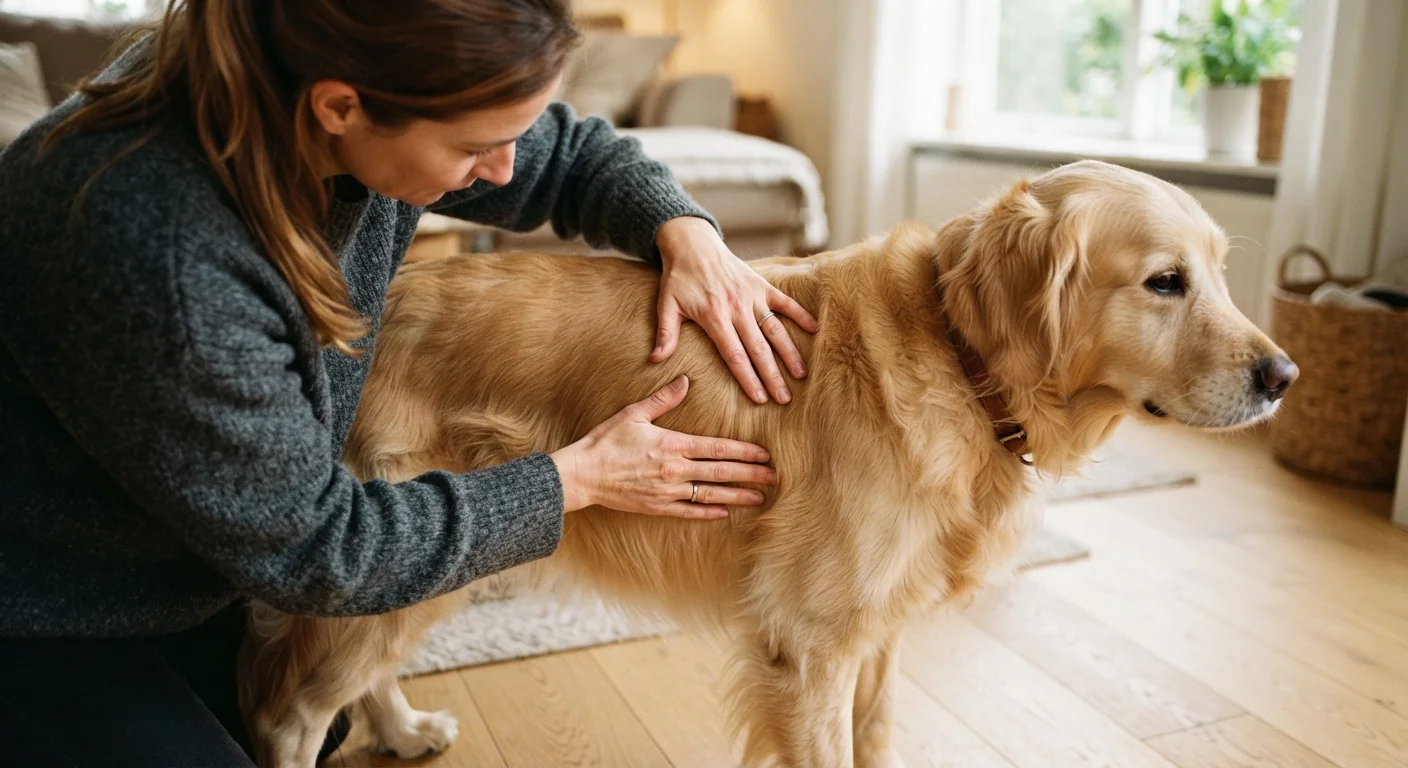
Photo credit: ResultsRover.com | Insights You Can Trust
In this article
Vets use a body condition scoring system to evaluate pet weight. Learn how to apply this simple method at home between annual checkups.
Key Takeaways
- Vets use a 1–9 Body Condition Score (BCS) scale; a score of 4–5 indicates an ideal weight for most dogs and cats.
- You can perform a reliable at-home assessment using your eyes and hands — no scale required.
- Feeling for ribs, observing a waist from above, and checking for an abdominal tuck are the three core checks.
- Even a small amount of excess weight can put stress on a pet's joints, heart, and metabolism over time.
- Home assessments complement — but do not replace — your veterinarian's professional evaluation.
Why Body Condition Matters More Than a Number on the Scale
Scale weight alone tells you very little about whether your pet is carrying too much fat. A large-framed Labrador Retriever at 80 pounds may be lean and healthy, while a small-boned mixed breed at the same weight could be significantly overweight. That's why veterinarians rely on a standardized tool called the Body Condition Score (BCS) — a 1-to-9 scale that evaluates fat coverage over key bony landmarks, independent of breed or frame size.
Scores of 1–3 indicate an underweight animal with visible bones and little fat cover. Scores of 4–5 represent an ideal condition. Scores of 6–7 suggest the pet is overweight, and 8–9 indicates obesity. Research published in veterinary nutrition literature consistently links higher BCS scores to shorter lifespans, reduced mobility, and increased risk of conditions like diabetes, arthritis, and heart disease.
According to the Association for Pet Obesity Prevention, a significant portion of U.S. dogs and cats are assessed as overweight or obese at annual vet visits — yet many owners report they believed their pet was at a healthy weight. Closing that gap starts with a reliable at-home method. See our guide to what a wellness exam covers to understand what your vet evaluates on their end.
Monthly Checks Are More Useful Than Annual Ones Alone
Pets can gain or lose meaningful body condition between yearly vet appointments. A quick five-minute monthly check at home gives you a running picture of your pet's health trajectory, making it far easier to catch gradual weight gain early — before it becomes a medical concern.
How to Assess Your Pet's Body Condition Step by Step
This assessment works for most adult dogs and cats. Use a quiet room where your pet is calm and relaxed. Perform it roughly once a month to catch changes early — weight gain in pets is often gradual and easy to miss day to day. If your pet resists handling, review our guide to reading pet body language to identify signs of stress before you start.
Feel for the Ribs
Place both hands flat against your pet's ribcage, thumbs meeting along the spine. Apply gentle, even pressure and slide your fingers forward and back. You should be able to feel individual ribs without pressing hard — like running your fingers over the back of your hand with skin over it.
- Can't feel the ribs at all: There is likely excess fat covering them (BCS 6+).
- Ribs felt easily with light pressure: Ideal fat cover (BCS 4–5).
- Ribs visible without touching: Pet may be underweight (BCS 1–3).
Look at Your Pet from Above
Stand directly above your pet while it stands squarely on all four legs. Look down along the spine toward the tail. In a pet at an ideal weight, you should see a visible waist — a natural narrowing of the body between the ribcage and the hips.
- No visible waist, body is oval or barrel-shaped: Likely overweight.
- Clear hourglass shape: Ideal condition.
- Extreme narrowing with hip bones prominent: May be underweight.
Check the Abdominal Tuck from the Side
Crouch down to your pet's eye level and view from the side. Look at the underside of the body as it transitions from the chest to the hindquarters. In most healthy dogs and cats, the belly line rises upward slightly toward the hind legs — this is called the abdominal tuck.
- Belly hangs down or is level with the chest: Suggests excess abdominal fat (overweight or obese).
- Slight upward rise visible: Normal and ideal.
- Extreme tuck with visible hip bones: Possible underweight condition.
Check Base of the Tail and Spine
Run one hand along your pet's spine from the shoulders to the base of the tail, then gently feel the area around the tail base. In a well-conditioned pet, the spine and tail base are palpable but not protruding sharply. Excess fat in this area is a reliable indicator of overall overweight status.
- Spine and hip bones protrude sharply: Underweight concern.
- Detectable but smooth bony landmarks: Healthy range.
- No bony landmarks felt even with firm pressure: Significant fat accumulation.
Record Your Findings and Track Over Time
Write down your BCS estimate, the date, and any observations (e.g., "ribs easy to feel, waist visible, slight tuck present — BCS 5"). A simple note on your phone works well. Tracking monthly gives you a trend line rather than a single data point, which helps you and your vet make better-informed decisions.
Bring your notes to your next routine vet visit. Your vet will perform their own BCS assessment and can confirm or adjust your reading.
Do Not Adjust Diet Without Veterinary Guidance
If your home assessment suggests your pet is overweight, avoid significantly cutting food portions on your own. Rapid caloric restriction — especially in cats — can cause serious health complications including hepatic lipidosis (fatty liver disease). Always consult your veterinarian before starting a weight-loss plan for your pet.
If your assessment consistently places your pet at a BCS of 6 or higher — or if you notice sudden changes in weight in either direction — contact your veterinarian promptly. Rapid weight loss can be a sign of underlying illness. See signs your pet may be unwell for additional red flags. For older animals, body composition can shift even without obvious weight changes; senior pet care considerations are worth reviewing separately.

Author
Pets & Animals Editorial Team
Pets & Animals Editorial Team is the collective byline for our editorial team and contributor network. Articles published under this byline or an editorial pen name are researched, written, and reviewed according to our editorial standards for clarity, consistency, and independence before publication.
View all articles →