Making a Spending Plan Work When Your Income Varies
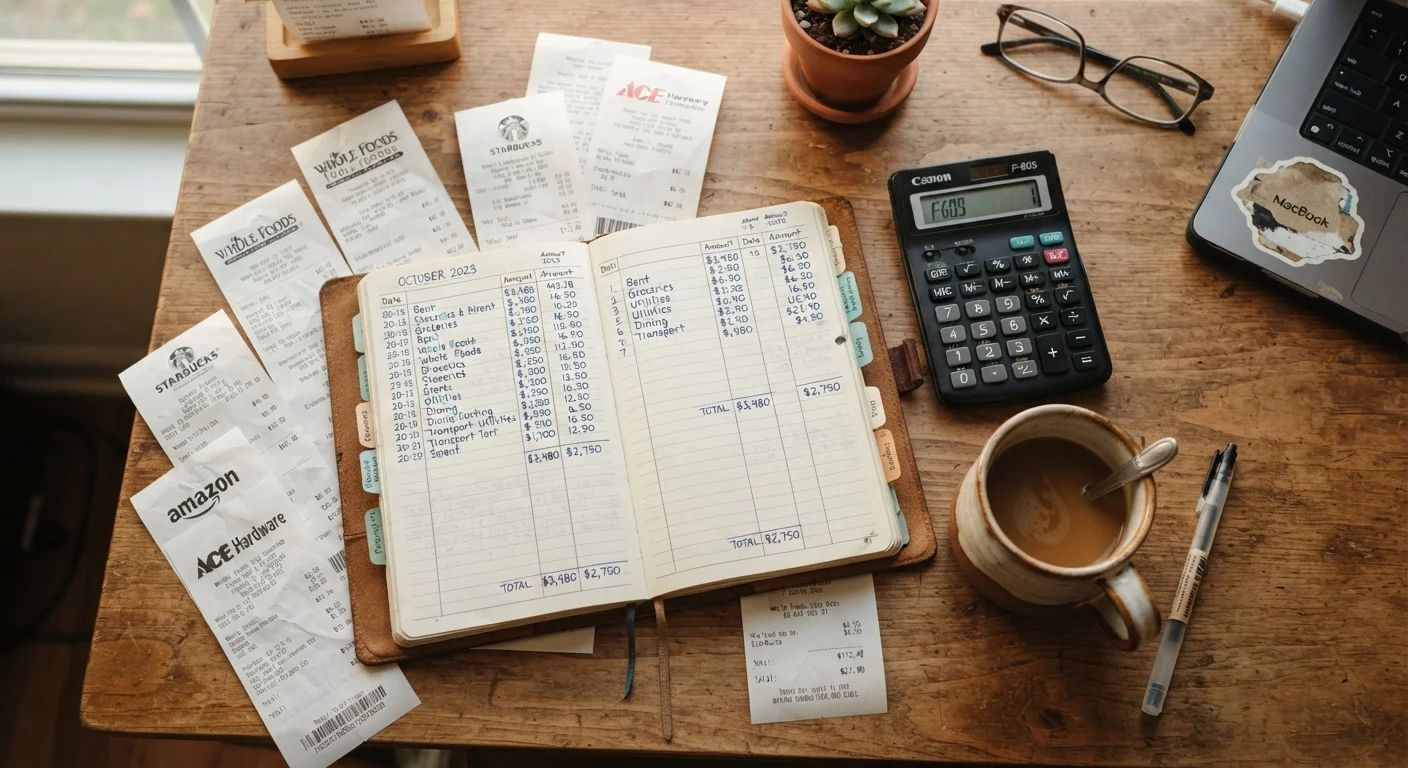
Photo credit: ResultsRover.com | Insights You Can Trust
In this article
Irregular paychecks make budgeting harder but not impossible. Explore approaches designed for freelancers, gig workers, and seasonal earners.
Key Takeaways
- Anchor your spending plan to your lowest expected monthly income, not your average.
- Separate fixed, variable, and discretionary expenses so you know where cuts are possible fast.
- A cash buffer of one to two months of essentials absorbs income gaps that derail most plans.
- Automate savings only after your buffer is funded to avoid disrupting everyday cash flow.
- Review your plan every time income lands, not just once a month.
Why Variable Income Breaks Traditional Budgets
Standard budgets are designed around a predictable paycheck that arrives on a fixed date. Freelancers, gig workers, seasonal employees, and commission-based earners don't have that luxury — their income can swing hundreds or thousands of dollars from one month to the next. That variability isn't the problem. The problem is applying a fixed-income framework to a fundamentally different cash-flow reality.
The result is predictable: the budget looks fine during a strong month, then blows apart in a slow one. Money leaks — subscriptions you forgot about, irregular charges, gradual lifestyle creep during flush periods — are especially damaging when income is uneven because there's no steady paycheck to quietly absorb them.
A better approach is to build a spending plan specifically designed for variability. The Budgeting Basics hub covers foundational strategies, but the steps below focus specifically on plugging leaks and creating stability when your income isn't predictable. See also Budgeting on an Irregular Income for complementary strategies tailored to freelancers and gig workers.
What you will need
Step-by-Step: Building a Spending Plan That Flexes With Your Income
Follow these steps in order. Each one builds on the last, so skipping ahead typically means missing the foundation that makes the later steps work.
Calculate your income floor
Look at your income for the past 12 months. Identify the single lowest-earning month. That figure — not the average, not the best month — becomes your baseline budget number. Every essential expense must fit within it. This single step prevents the most common variable-income budget failure: planning for what you hope to earn rather than what you can reliably count on.
List and categorize every expense
Write out every expense from the past 90 days, then sort them into three buckets:
- Fixed essentials: rent or mortgage, utilities, insurance premiums, minimum debt payments — costs that are the same every month and non-negotiable.
- Variable essentials: groceries, gas, medications — costs that must be paid but fluctuate in amount.
- Discretionary: dining out, streaming services, hobbies, clothing beyond basics — anything you could cut or reduce in a tight month.
This categorization tells you immediately which expenses have no flexibility and which ones are your adjustment levers when income dips.
Set a floor budget using only essentials
Add up only your fixed and variable essentials. This is your floor budget — the minimum you need to keep the lights on and stay current on all obligations. It must be less than your income floor from Step 1. If it isn't, you have a structural gap that needs immediate attention: either reduce a fixed cost (refinancing, downgrading a plan) or find a way to raise your minimum income floor.
Build a cash buffer before anything else
Before adding savings goals or discretionary spending, prioritize building a cash buffer equal to one to two months of your floor budget. Keep it in a separate, liquid account — not your primary checking account. This buffer is the mechanism that lets you pay essential bills on time during a low-income month without going into debt. Until it's fully funded, treat it as your most important financial goal.
Assign discretionary spending and savings after income lands
Rather than allocating discretionary spending and savings at the start of the month, wait until income actually arrives. Once it does, subtract your floor budget from what you received. What remains is available for discretionary spending, savings contributions, and debt paydown — in that priority order. In a strong month, send the surplus toward your buffer (if not yet full), then savings, then discretionary. In a slow month, discretionary spending simply doesn't happen. The envelope budgeting method is one practical way to manage discretionary allocations once income is in hand.
Review and adjust every pay cycle
Variable-income budgets can't be set-and-forgotten. After each income deposit, spend 10 minutes reviewing: Did actual spending match the plan? Did any new recurring charges appear? Is your buffer still intact? This short review catches leaks early — before a $15 subscription or a habit of $40 convenience purchases compounds into a significant monthly drain.
Use a Percentage-Based Allocation on Surplus Months
When a month exceeds your income floor, consider splitting the surplus using fixed percentages — for example, 50% to buffer or savings, 30% to discretionary, 20% to debt. Percentages scale automatically with income size, so you never have to do a full recalculation. Adjust the split to match your current priorities.
Understanding fixed vs. variable expenses is essential before you can accurately set a floor budget — that article explains the distinction clearly if you need a refresher.
Plugging the Leaks: Where Variable-Income Budgets Quietly Lose Money
Once your plan is running, the maintenance work matters as much as the setup. Most money leaks in variable-income households fall into three categories:
- Lifestyle creep during good months. A strong income month triggers restaurant upgrades, impulse purchases, or new subscriptions — none of which disappear when the next month is slow. Treat good months as a chance to top up your buffer, not to expand fixed costs.
- Forgotten recurring charges. Annual subscriptions, auto-renewing software, dormant gym memberships. Audit your bank and card statements quarterly and cancel anything you haven't used in 60 days.
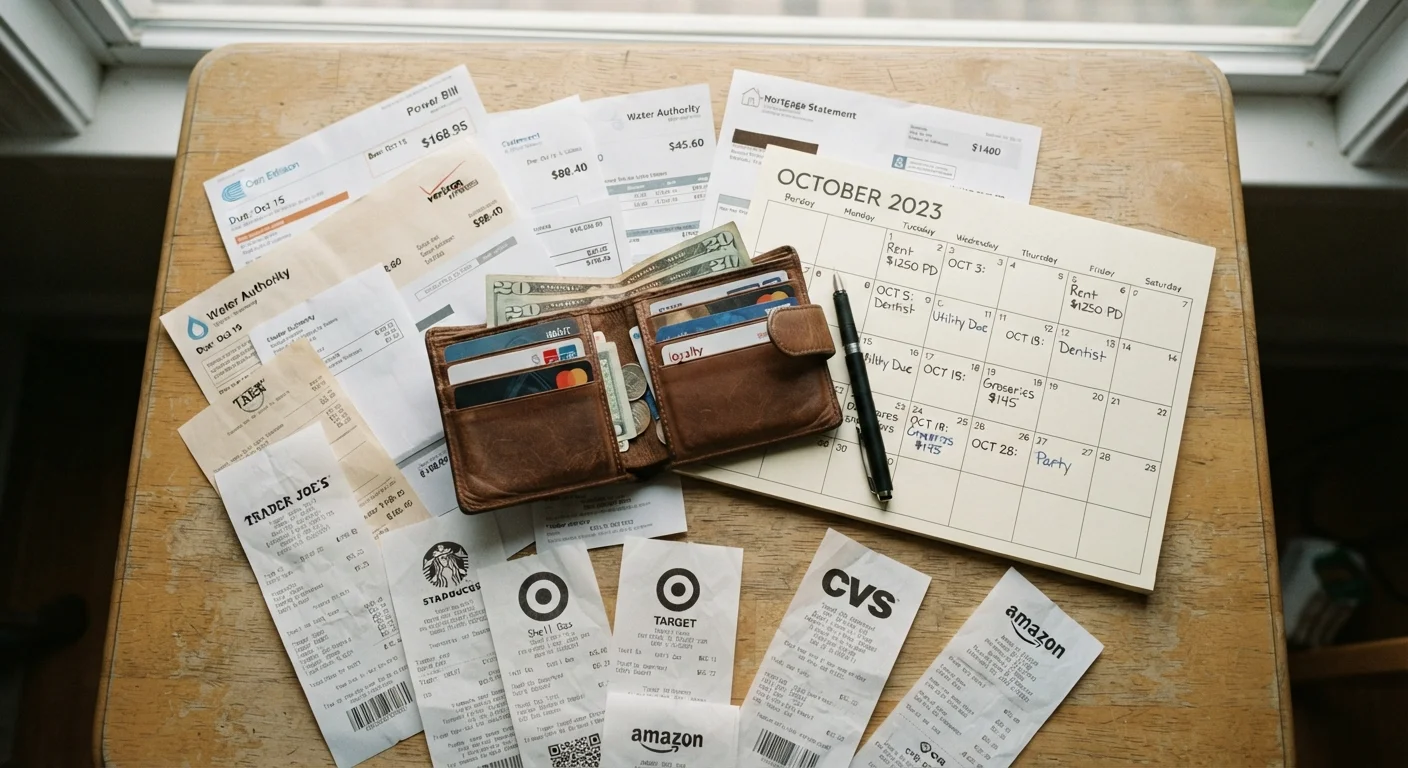
- Delayed bill-pay habits. Irregular earners sometimes pay bills late during slow months and double-pay during good ones, creating artificial cash-flow crises. A simple due-date calendar prevents this entirely.
When it comes to saving, timing matters. The guide to automating savings without disrupting cash flow walks through how to set savings transfers that respond to your income timing rather than fighting it. And once you've stabilized your plan, the Saving & Debt hub offers practical next steps for growing savings and reducing debt faster.
Don't Treat Your Buffer as an Emergency Fund
Your income-gap buffer and a traditional emergency fund serve different purposes. The buffer covers planned slow months — predictable variability in your income. An emergency fund covers unexpected crises like a medical bill or job loss. Once your buffer is in place, build a separate emergency fund of three to six months of essential expenses. Mixing the two leaves you vulnerable when both a slow month and an unexpected expense hit simultaneously.
This article is for general informational purposes only and does not constitute personalized financial advice. Consider speaking with a licensed financial professional about decisions specific to your situation.

Author
Personal Finance Editorial Team
Personal Finance Editorial Team is the collective byline for our editorial team and contributor network. Articles published under this byline or an editorial pen name are researched, written, and reviewed according to our editorial standards for clarity, consistency, and independence before publication.
View all articles →