
Fixed vs. Variable Expenses: Why the Difference Matters for Budgeting
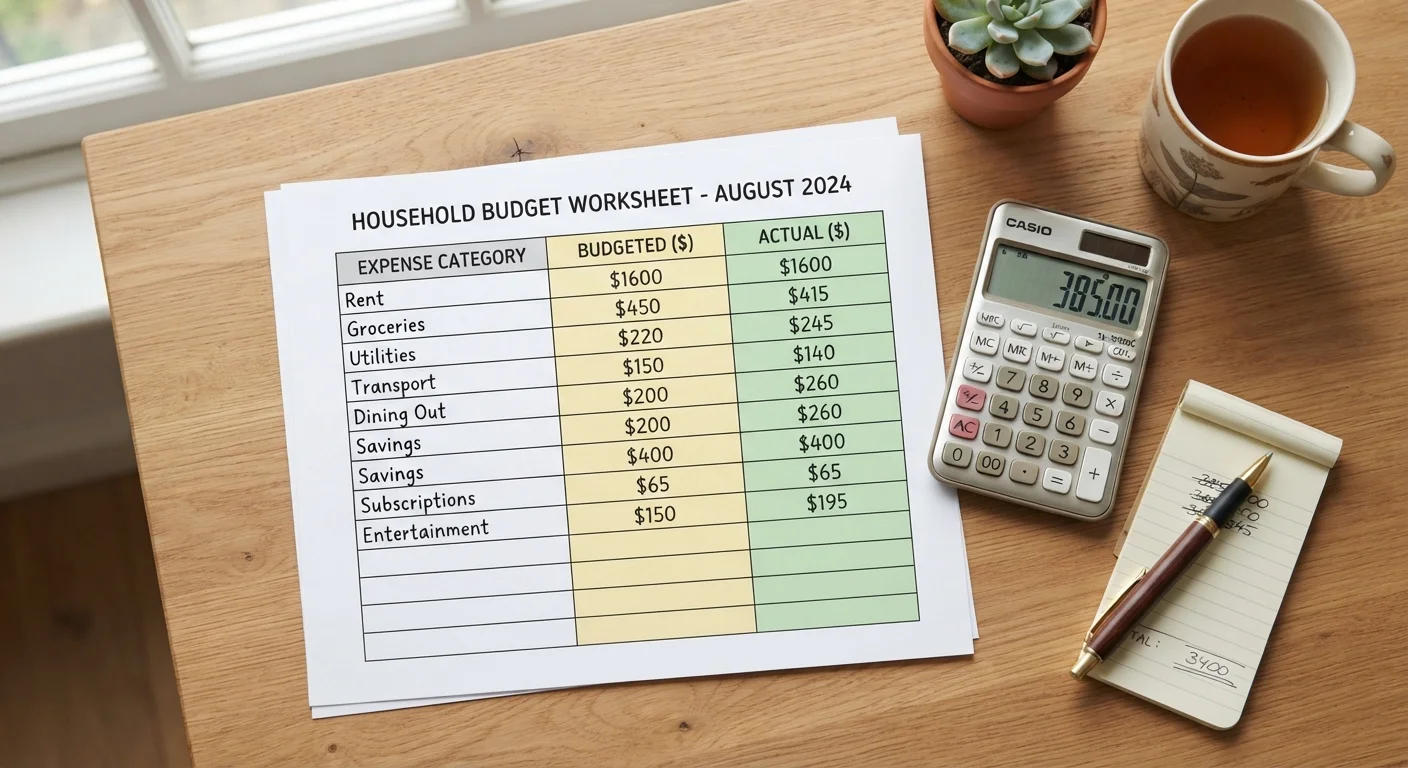
Photo credit: ResultsRover.com | Insights You Can Trust
In this article
Understanding which costs are fixed and which flex each month is the foundation of any realistic budget. Here's what to know and how to plan for both.
Key Takeaways
- Fixed expenses stay the same each month; variable expenses change based on behavior or circumstance.
- Your fixed expenses set a spending floor — the minimum you must cover before anything else.
- Variable expenses are where most budget adjustments and savings opportunities live.
- Tracking both categories separately makes it easier to spot overspending and find cuts quickly.
- Even fixed expenses can be renegotiated or reduced over time with effort.
What Makes an Expense Fixed or Variable?
A fixed expense is any cost that stays the same amount each billing period regardless of how much you use or consume. Your rent or mortgage payment, car loan installment, and most insurance premiums are textbook examples — the bill arrives for the same dollar amount every month.
A variable expense changes based on your behavior, usage, or circumstances. Groceries, utilities, gas, dining out, and entertainment all fall here. Spend more, pay more. Pull back, and the bill drops.
Some expenses blur the line — these are sometimes called periodic expenses (like annual subscriptions or semi-annual car insurance payments) or semi-variable expenses (like a phone plan with an overage charge). For budgeting purposes, it helps to assign these to one category and note the exception, rather than leaving them unclassified.
| Criterion | Fixed Expenses | Variable Expenses |
|---|---|---|
| Amount each month | Stays the same | Changes based on use or behavior |
| Examples | Rent, car loan, insurance premium | Groceries, utilities, dining, gas |
| Predictability | High — easy to plan around | Low to moderate — requires tracking |
| Control in the short term | Limited — locked in by contract | High — adjustable month to month |
| Where to look for quick savings | Rare, but possible at renewal | Primary savings opportunity |
| Budget role | Sets your spending floor | Determines your spending flexibility |
Why This Distinction Is the Foundation of a Realistic Budget
Most people who struggle to stick to a budget aren't bad at math — they've just never mapped their fixed costs clearly. When you know your fixed floor (the total you must pay no matter what), you immediately know how much income is truly available for everything else.
~67%
Americans living paycheck to paycheck
A LendingClub and PYMNTS survey found roughly two-thirds of U.S. consumers reported living paycheck to paycheck, underscoring how little buffer most households have when unexpected costs arrive.
$1,400+
Average monthly spending on variable food costs
The U.S. Bureau of Labor Statistics Consumer Expenditure Survey shows American households spend over $1,400 per month on food combined — one of the largest variable expense categories in the average budget.
30%
Income households spend on housing (fixed)
The commonly cited housing affordability guideline recommends keeping housing costs — a primary fixed expense — at or below 30% of gross income, according to HUD guidance.
That clarity matters most in lean months. If an unexpected car repair or medical bill arrives, you know instantly which expenses are immovable and which ones could be temporarily reduced. Without that mental map, every expense feels equally negotiable — or equally untouchable — which leads to either panic or denial.
Variable expenses, on the other hand, are your primary lever for smart spending. Because they respond to your choices, they're where intentional behavior change actually shows up in your bank account. That's also why a monthly budget reset is so useful — variable spending drifts in ways fixed costs don't, and a monthly check-in keeps drift from becoming a pattern.
How to Use Both Categories in Your Budget
Here's a practical approach that works whether you're budgeting for the first time or overhauling an existing system:
- List every fixed expense first. Include rent or mortgage, insurance premiums, loan payments, subscriptions billed at a flat rate, and any other cost that doesn't change. Add them up — this is your non-negotiable monthly baseline.
- Estimate variable expenses by category. Look at three to six months of bank or credit card statements and calculate an average for each category: groceries, utilities, transportation, dining, entertainment, personal care. Use the average as your budget target, not your best month.
- Subtract both totals from your take-home income. What's left is your buffer — for savings, debt paydown, or irregular costs. If there's nothing left (or worse, a negative number), variable expenses are where you start cutting.
- Flag fixed expenses for periodic review. Fixed doesn't mean permanent. Car insurance, streaming plans, gym memberships, and even rent are worth renegotiating or canceling when contracts allow. The savings and debt payoff gains from eliminating one fixed cost are immediate and recurring.
If your paycheck varies month to month, this framework becomes even more essential. See our guide on budgeting on an irregular income for strategies built around income unpredictability.
This article is for general informational purposes only and does not constitute personalized financial advice. For guidance tailored to your specific situation, consider consulting a qualified financial professional.

Author
Personal Finance Editorial Team
Personal Finance Editorial Team is the collective byline for our editorial team and contributor network. Articles published under this byline or an editorial pen name are researched, written, and reviewed according to our editorial standards for clarity, consistency, and independence before publication.
View all articles →