
Micronutrients Americans Most Commonly Fall Short On
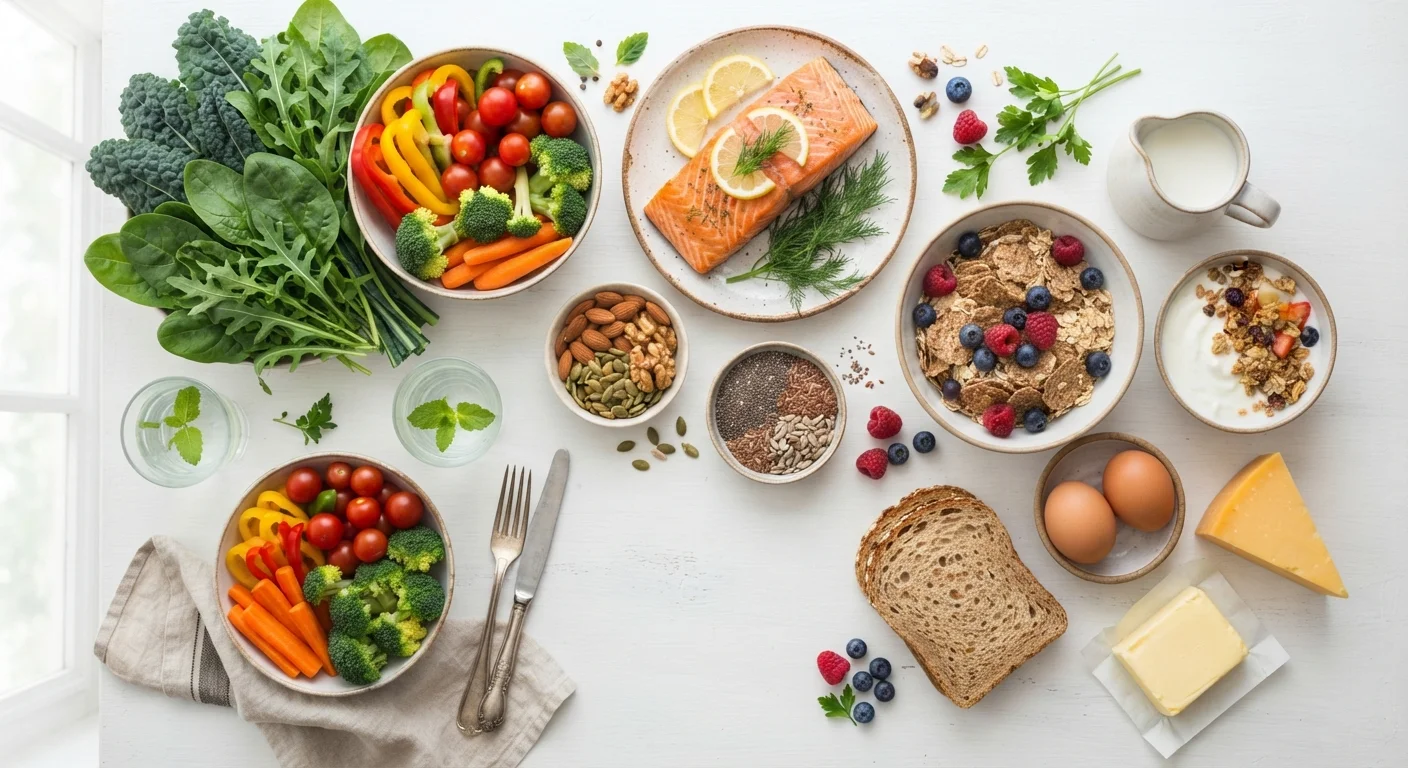
Photo credit: ResultsRover.com | Insights You Can Trust
In this article
Vitamins and minerals that tend to be underconsumed in the U.S. diet, the foods that supply them, and why gaps develop in the first place.
Why Nutrient Gaps Are So Common in the U.S.
Most Americans eat enough calories - but calories and adequate nutrition aren't the same thing. Federal dietary survey data consistently show that large portions of the population fall short of recommended intakes for several key vitamins and minerals, not because of unusual diets, but because the standard American eating pattern skews heavily toward refined grains, added sugars, and processed foods that are low in micronutrients.
Micronutrients - vitamins and minerals the body needs in relatively small amounts - support virtually every physiological function, from bone maintenance and immune defense to energy metabolism and nerve signaling. When intake is chronically low, the effects tend to be subtle at first, making deficiencies easy to miss without lab testing.
Understanding which nutrients are most likely to be underconsumed - and which foods supply them - is a practical first step. If you're also thinking about the broader picture of what you eat, our plain-English guide to macronutrients provides useful context on how vitamins and minerals work alongside the big three energy sources.
| Nutrients flagged as public health concerns | Vitamin D, Calcium, Potassium, Dietary Fiber (2020-2025 Dietary Guidelines for Americans) |
| Share of Americans with low vitamin D intake | Majority of adults (NHANES dietary survey data) |
| Iron deficiency risk group | Women of reproductive age (disproportionately affected) (CDC Nutrition Report) |
| Primary driver of gaps | Low intake of vegetables, whole grains, and legumes (2020-2025 Dietary Guidelines for Americans) |
| Vitamin B12 risk group | Those following plant-based diets and adults over 50 (National Institutes of Health, Office of Dietary Supplements) |
The Nutrients Most Often Underconsumed
The following micronutrients are identified by federal nutrition research, including data from the National Health and Nutrition Examination Survey (NHANES), as falling short for significant shares of the U.S. population.
~90%
Americans not meeting potassium recommendations
Federal dietary data consistently show potassium as one of the most widespread shortfalls across U.S. age groups.
4 nutrients
Designated public health concerns in U.S. dietary guidance
The 2020-2025 Dietary Guidelines for Americans identifies calcium, potassium, dietary fiber, and vitamin D as nutrients of concern due to widespread underconsuption.
Nearly 1 in 3
Adults with insufficient vitamin D status
Estimates vary by threshold used, but NHANES blood-level data indicate inadequate vitamin D is among the most prevalent micronutrient concerns in the U.S.
Vitamin D
Few foods naturally contain meaningful amounts of vitamin D, and most Americans spend limited time outdoors with sufficient sun exposure for the body to synthesize it through skin. Fatty fish (salmon, sardines, mackerel), egg yolks, and fortified dairy or plant-based milks are the primary dietary sources.
Calcium
Often associated with dairy, calcium is also found in fortified non-dairy beverages, canned fish with bones, tofu made with calcium sulfate, and dark leafy greens such as kale and bok choy. Those who avoid or limit dairy without substituting other sources face elevated risk of falling short.
Potassium
Potassium is abundant in whole plant foods - beans, lentils, potatoes, avocados, bananas, and leafy greens - yet most Americans eat far fewer of these than recommended. Low potassium intake is directly linked to inadequate vegetable and legume consumption, a pattern explored in depth in our article on why vegetable intake falls short.
Magnesium
Magnesium is involved in hundreds of enzymatic reactions, including those supporting muscle function and blood sugar regulation. Whole grains, nuts, seeds, and legumes are reliable sources, but processing strips it from refined grains.
Vitamin A (as dietary carotenoids)
Preformed vitamin A is found in liver and dairy; provitamin A carotenoids come from orange and yellow vegetables and dark leafy greens. Diets low in produce predictably fall short.
Vitamin E
Nuts, seeds, vegetable oils, and wheat germ are the principal sources. Low-fat diets can inadvertently reduce vitamin E intake because it is fat-soluble and largely food-fat-associated.
Iron (particularly for women of reproductive age)
Red meat, poultry, seafood, beans, lentils, and fortified cereals supply iron. Women with higher physiological needs are disproportionately affected by low intakes. Pairing plant-based iron sources with vitamin C-rich foods improves absorption.
Vitamin B12
B12 is found almost exclusively in animal products and fortified foods. Those following plant-based or largely plant-based diets need deliberate planning - see the trade-offs of plant-based eating for a fuller discussion of this challenge.
Micronutrient
A vitamin or mineral the body requires in relatively small quantities to support normal physiological function. Unlike macronutrients, micronutrients do not provide energy (calories) directly.
Dietary Reference Intake (DRI)
A set of science-based reference values established by the National Academies of Sciences, Engineering, and Medicine to guide adequate nutrient consumption across different population groups.
Provitamin A Carotenoid
Plant pigments such as beta-carotene that the body can convert into active vitamin A. Found in orange, yellow, and dark green vegetables.
Fat-Soluble Vitamin
Vitamins A, D, E, and K, which are absorbed alongside dietary fat and stored in body tissue. Because they accumulate, both deficiency and excessive supplementation carry risks.
Bioavailability
The proportion of a nutrient from food that the body is actually able to absorb and use. Bioavailability varies by food source, preparation method, and individual factors.
Fortification
The deliberate addition of vitamins or minerals to a food product during processing, either to replace nutrients lost in refining or to address common population shortfalls.
Practical Approaches to Closing the Gaps
No single food fixes every shortfall, but broadening dietary variety consistently moves intake in the right direction. A few evidence-informed strategies:
- Add one new vegetable or legume per week. Small expansions in plant food variety accumulate meaningfully over time.
- Choose whole grains over refined. Whole wheat, oats, brown rice, and quinoa retain magnesium, B vitamins, and fiber that processing removes.
- Rotate protein sources. Including fatty fish twice a week, alongside beans and lentils on other days, addresses vitamin D, B12, iron, and potassium simultaneously.
- Check fortified foods. Fortified cereals, plant milks, and nutritional yeast can meaningfully contribute to B12, vitamin D, and calcium intake without major dietary overhauls.
For people with particularly tight schedules, our article on eating well on a tight schedule outlines batch cooking and no-prep combinations that make nutrient-dense eating realistic day to day. When you're ready to evaluate your grocery habits systematically, a weekly grocery list audit can help you spot gaps before they become entrenched patterns.
This article is for general informational and educational purposes only and is not a substitute for personalized medical or dietary advice. If you have concerns about your nutrient status or specific health conditions, please consult a qualified healthcare provider or registered dietitian.

Author
Health & Wellness Editorial Team
Health & Wellness Editorial Team is the collective byline for our editorial team and contributor network. Articles published under this byline or an editorial pen name are researched, written, and reviewed according to our editorial standards for clarity, consistency, and independence before publication.
View all articles →