
Certified Pre-Owned Programs: What the Label Covers and What It Doesn't
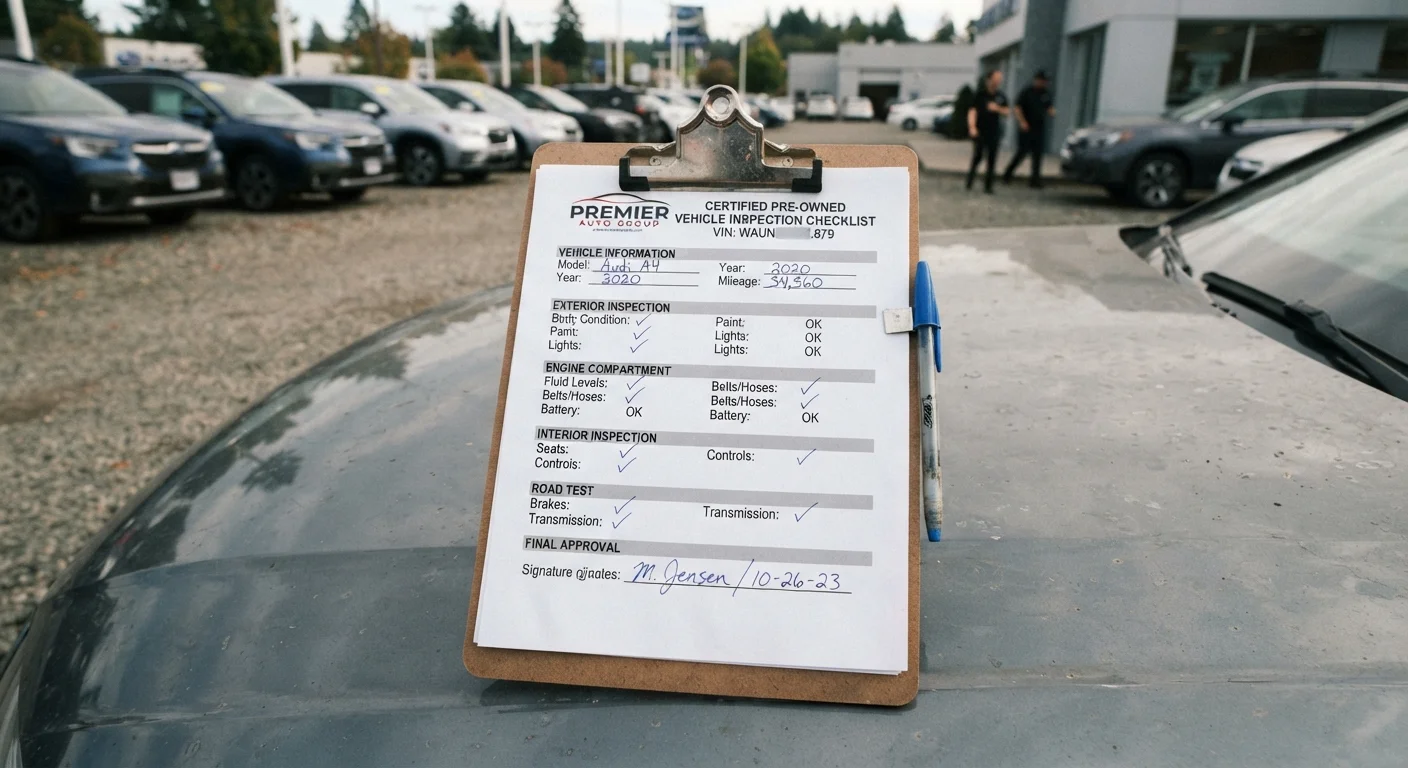
Photo credit: ResultsRover.com | Insights You Can Trust
In this article
CPO vehicles carry a manufacturer-backed label, but the coverage varies widely. Here's how to evaluate what any CPO program actually guarantees.
Key Takeaways
- CPO programs are not standardized - coverage terms differ significantly between manufacturers.
- Most CPO warranties include a limited powertrain warranty and a short bumper-to-bumper component.
- Common exclusions include wear items, prior accident damage, and aftermarket modifications.
- The inspection checklist is the foundation of any CPO program - always ask for a copy.
- CPO vehicles cost more than comparable non-certified used cars; the premium should reflect real warranty value.
- Read the full warranty document before signing, not just the marketing summary.
What the CPO Label Actually Means
When you see "certified pre-owned" on a used car, it signals that the vehicle cleared a multi-point inspection and qualifies for an attached warranty. But the label itself guarantees nothing specific - the substance is in the program details behind it.
Manufacturer CPO programs require a vehicle to meet thresholds for age (commonly no more than five or six model years old) and mileage (often under 80,000 miles). Vehicles that pass a standardized inspection - typically 100 to 200 checklist points covering mechanical systems, safety features, and cosmetic condition - receive certification. The resulting warranty is backed by the automaker and is usually honored at any franchised dealership in the country.
Dealer-sponsored CPO programs follow a different path. A dealership or third-party administrator sets the inspection and warranty terms, which can vary considerably from lot to lot. These programs can offer real value, but they don't carry the same consistency or geographic portability as a manufacturer program.
CPO Is Not the Same as 'As Good as New'
A certified pre-owned vehicle is still a used vehicle with prior wear, history, and depreciation. The certification confirms it met a threshold at a point in time - it does not mean the car is equivalent to a new vehicle in condition or reliability. Manage expectations accordingly.
What CPO Coverage Typically Includes
Most manufacturer CPO warranties have two layers:
- Powertrain warranty: Covers the engine, transmission, and drivetrain components. This is usually the longer of the two terms - commonly running to 100,000 miles total from the original sale date, though terms vary.
- Limited warranty (bumper-to-bumper): A shorter-term coverage that extends to a broader range of components - electronics, air conditioning, suspension parts - for a defined period after the CPO purchase date.
Many programs also include roadside assistance, a free loaner car during covered repairs, and a vehicle history report. Some offer a short return window - typically three to seven days or a few hundred miles - though this is not universal.
~$1,500
Typical CPO price premium over non-certified equivalents
Industry analyses have generally placed the average CPO price premium in the range of $1,000-$2,000 compared to similar non-certified used vehicles, though this varies by brand and market conditions.
100+
Inspection points required by most manufacturer CPO programs
Most major automaker CPO programs publish inspection checklists ranging from roughly 100 to over 200 individual points covering mechanical, safety, and cosmetic criteria.
What CPO Programs Commonly Exclude
The warranty document, not the sales brochure, is where exclusions live. Understanding what's left out is at least as important as knowing what's covered.
- Wear items: Brake pads, rotors, tires, wiper blades, filters, and belts are almost never covered. These are considered consumables regardless of their condition at the time of purchase.
- Maintenance costs: Oil changes, fluid top-offs, and scheduled service are your responsibility from day one.
- Pre-existing or undisclosed damage: If prior accident damage was repaired before certification, claims on those repaired components can be denied. An independent pre-purchase inspection can surface issues the CPO inspection may not flag.
- Aftermarket modifications: Non-factory parts or alterations - even minor ones - can void coverage on related systems.
- Environmental damage: Rust, hail, flood damage, and similar conditions are excluded from mechanical warranty coverage.
For a broader perspective on how manufacturer warranties stack up against other buyer protections, see our guide on return policies, extended warranties, and manufacturer guarantees.
Always Get an Independent Pre-Purchase Inspection
A CPO inspection is performed by the selling dealership - which has a financial interest in completing the sale. Paying a qualified independent mechanic $100-$200 to inspect the vehicle separately can reveal issues the certification process missed or didn't cover. This step is worth it on any used vehicle, CPO or not.
How to Evaluate Any CPO Program Before You Buy
Don't rely on the dealer's summary of benefits. Here's a practical framework for assessing a CPO program on its merits:
- Get the inspection checklist. A credible program produces a signed, itemized report. If a dealer can't produce one, treat that as a red flag.
- Read the actual warranty document. Confirm the coverage term, mileage limits, deductibles (some CPO warranties carry a per-visit deductible of $50-$200), and the claims process.
- Check transferability. If you plan to sell the car before the warranty expires, confirm whether coverage passes to the next owner.
- Price the premium honestly. Compare the CPO asking price against non-certified equivalents with similar mileage and condition. The difference should reflect the warranty's realistic value - not just the marketing.
- Run an independent vehicle history report. CPO certification does not guarantee a clean title or accident-free history; verify independently using the VIN.
Understanding the full cost picture of ownership - including insurance - matters here too. Our Auto Costs & Insurance hub covers the broader financial side of vehicle ownership in plain terms.
Frequently Asked Questions

Author
Auto Essentials Editorial Team
Auto Essentials Editorial Team is the collective byline for our editorial team and contributor network. Articles published under this byline or an editorial pen name are researched, written, and reviewed according to our editorial standards for clarity, consistency, and independence before publication.
View all articles →