
Filing an Auto Insurance Claim: What to Expect at Each Stage
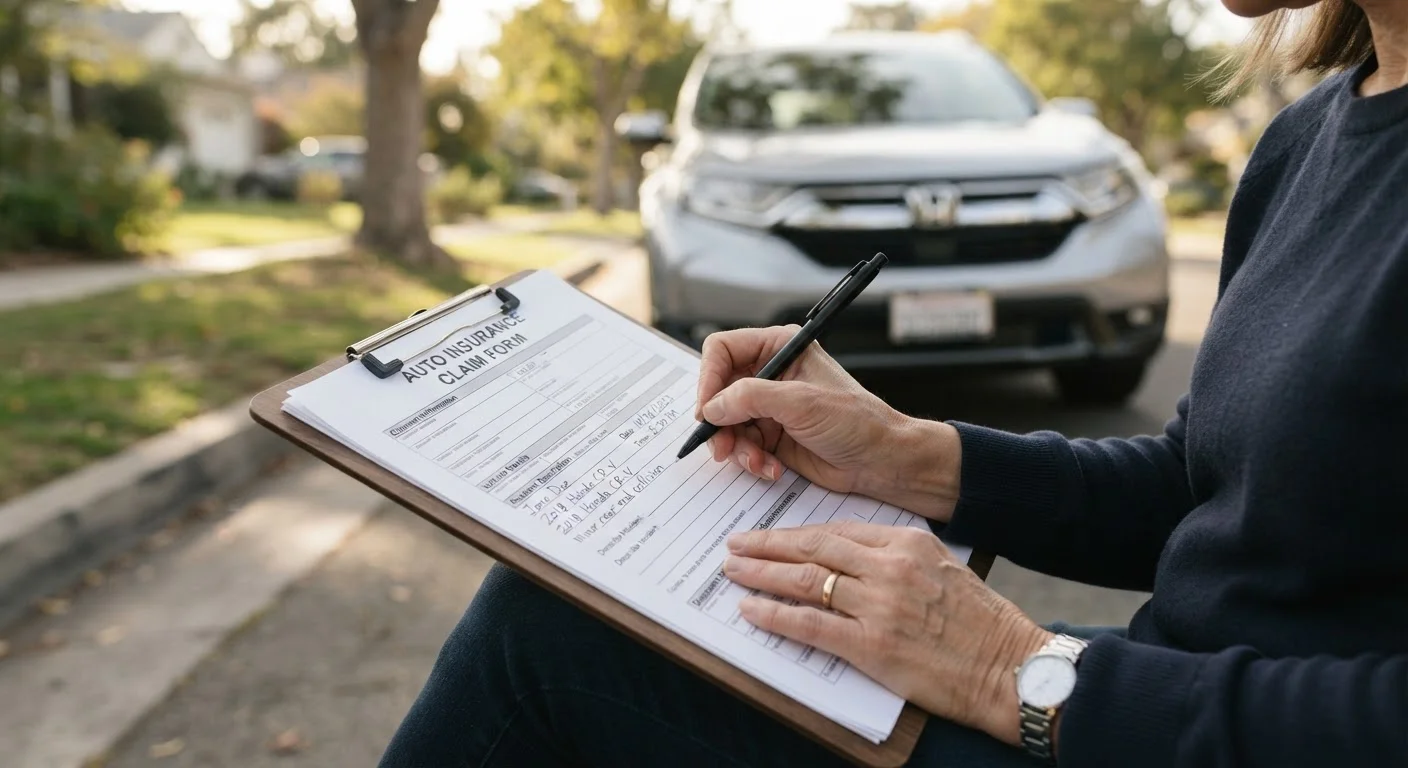
Photo credit: ResultsRover.com | Insights You Can Trust
In this article
From the moment of an accident to final payment, here's a clear walkthrough of how the claims process typically unfolds.
Key Takeaways
- Report your claim as soon as possible - most insurers have strict notification windows.
- Document everything at the scene: photos, witness info, police report numbers.
- An adjuster will evaluate the damage and determine how much your insurer will pay.
- You can dispute a settlement offer if you believe it undervalues your vehicle or repairs.
- Filing a claim may affect your premium - weigh that before submitting for minor damage.
What You Need Before You Start
Walking into the claims process unprepared is the most common reason it drags on. Having the right documents and tools at hand from the start cuts down on back-and-forth with your insurer significantly. Not sure what your coverage actually includes? Our coverage type breakdown explains what each policy component does and when it applies.
What you will need
Smartphone Camera
Photograph vehicle damage, the accident scene, other vehicles, road conditions, and any visible injuries immediately after the incident.
Insurance ID Card or App
Provides your policy number, insurer contact number, and coverage details needed to initiate a claim.
Police Report Number
Serves as an official third-party record of the incident, which insurers often require for at-fault or injury claims.
Repair Estimate from a Body Shop
Gives you an independent cost benchmark to compare against the adjuster's assessment.
How the Claims Process Typically Unfolds
Most auto insurance claims follow a predictable sequence - report the incident, work with an adjuster, receive a settlement, and get repairs completed. The total timeline varies widely depending on claim complexity, how quickly you respond to requests, and your insurer's workload. Simple claims with no injuries or liability disputes can close in a week or two; complex cases can stretch for months.
Don't Delay Reporting - Even Minor Accidents
Most policies require prompt notification - sometimes within 24 to 72 hours of an incident. Waiting too long can give your insurer grounds to deny the claim entirely. Contact your insurer as soon as it's safe to do so, even if you're unsure whether you'll actually file.
Secure the Scene and Gather Information
Before anything else, make sure everyone involved is safe. Move vehicles out of traffic if possible and call 911 if there are injuries or significant property damage. Then collect the following from any other parties: name, contact information, driver's license number, license plate, and insurance details.
Take wide and close-up photos of all vehicles, the surrounding area, traffic signs, and any visible damage. This documentation is the foundation of your claim.
Notify Your Insurer and Open a Claim
Contact your insurance company by phone, app, or online portal as soon as possible. You'll provide basic information about what happened, where, and when. The insurer will assign you a claim number - write it down and reference it in every future communication.
Be factual and accurate. Stick to what you directly observed; avoid speculating about fault or injuries at this stage.
Work with the Claims Adjuster
Your insurer will assign a claims adjuster - an employee or contracted professional whose job is to evaluate the damage and calculate what the insurer owes under your policy. The adjuster may inspect your vehicle in person or use photos you submit through an app.
The adjuster will consider repair costs, parts, and labor. For total losses (where repair costs exceed the vehicle's value), they'll determine an actual cash value (ACV) - the vehicle's market value minus depreciation - rather than replacement cost unless you carry replacement cost coverage.
Review and Negotiate the Settlement Offer
Once the adjuster completes their assessment, you'll receive a settlement offer. Review it carefully against your own estimates. If the offer seems low - particularly for a total loss - you can dispute it by providing market comparisons, recent sale listings for similar vehicles, or a second repair estimate.
Most insurers have a formal dispute or appraisal process. If you can't reach an agreement, many policies include an arbitration clause as a next step. You also have the option to consult a public adjuster or attorney, though that adds time and cost.
Authorize Repairs and Receive Payment
Once you accept the settlement, the insurer will arrange payment - either directly to the repair shop, to you, or split with your lienholder if you're financing the vehicle. If you have a deductible, it's subtracted from the payout; you pay it directly to the shop.
Keep records of all repair invoices and confirm the work matches the approved scope before signing off. If new damage is discovered during repairs, notify the insurer promptly rather than authorizing additional work unilaterally.
Keep a Running Claims File
Create a dedicated folder - physical or digital - for every document related to your claim: the claim number, adjuster's contact info, all repair estimates, and a log of every phone call with dates and summaries. This paper trail speeds up disputes and protects you if something goes wrong later.
What Happens After You File
Once a claim is closed, the impact doesn't necessarily end. Insurers track your claims history and may adjust your premium at renewal - particularly for at-fault incidents. Understanding that relationship before you file is worth the time, especially for minor damage close to your deductible threshold. Our article on how claims affect your premium walks through exactly how insurers factor this in and for how long.
If you decide the out-of-pocket repair cost is lower than the likely premium increase, paying directly without filing may make more financial sense. That's a judgment call that depends on your policy terms and driving history - and it's worth running the numbers before you decide.
Accepting a Settlement Closes the Claim
Once you accept a settlement payment, you typically waive the right to seek additional compensation for that incident. If you're uncertain whether the offer covers all repair costs or medical bills, consult a licensed claims professional or attorney before signing off.
For broader ways to manage what you pay, see our guide on lowering your auto insurance rate without giving up meaningful protection.
This article provides general information about the auto insurance claims process and is not a substitute for personalized advice from a licensed insurance professional. Coverage terms, timelines, and procedures vary by policy and insurer. Always refer to your actual policy documents and consult your insurer or a licensed agent for guidance specific to your situation.

Author
Auto Essentials Editorial Team
Auto Essentials Editorial Team is the collective byline for our editorial team and contributor network. Articles published under this byline or an editorial pen name are researched, written, and reviewed according to our editorial standards for clarity, consistency, and independence before publication.
View all articles →