
Spreadsheet vs. Travel App: Which Keeps Your Itinerary More Organized?
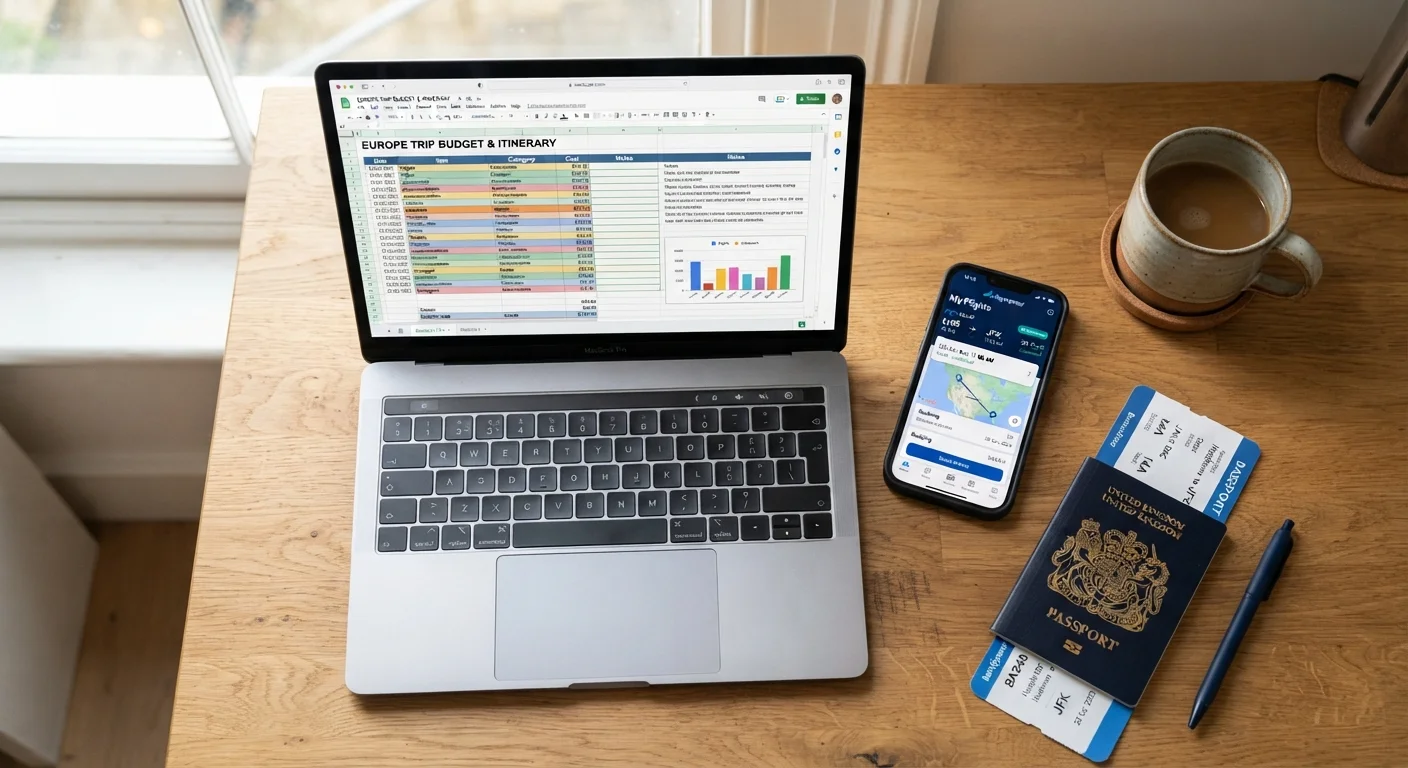
Photo credit: ResultsRover.com | Insights You Can Trust
In this article
Some planners swear by a shared spreadsheet; others live in dedicated travel apps. Here's an honest look at the strengths and limitations of each.
Key Takeaways
- Spreadsheets offer unmatched flexibility and zero subscription cost but require manual data entry.
- Travel apps automate confirmation imports and provide mobile-friendly offline access during the trip.
- Collaboration is strong in both tools, but apps edge ahead for real-time group coordination.
- Spreadsheets handle budget tracking more naturally; many apps treat budgeting as a secondary feature.
- The right choice depends on your planning style, group size, and how tech-comfortable you are.
Why This Choice Actually Matters
A disorganized itinerary doesn't just cause stress — it costs money. Missed check-in windows, double-booked restaurant reservations, and forgotten confirmation numbers all translate to real financial hits. The tool you use to plan shapes how reliably you can access and act on that information at every stage of your trip.
This isn't about finding the fanciest solution. It's about matching your planning system to your travel style. As part of a well-structured trip planning process, your organizational tool is the connective tissue between research and execution.
| Criterion | Spreadsheet | Travel App |
|---|---|---|
| Setup time | Moderate — build your own template | Fast — structured on first launch |
| Data entry | Fully manual | Auto-import from confirmation emails |
| Budget tracking | Strong — custom formulas and columns | Limited or paywalled in most apps |
| Offline access | Requires pre-download or app version | Built-in offline mode in leading apps |
| Group collaboration | Good via shared link | Strong with real-time sync and alerts |
| Cost | Free (Google Sheets) or included with Microsoft 365 | Free tier available; premium features cost extra |
| Data portability | Fully portable — standard file formats | Varies; often locked to platform |
| Mobile experience | Functional but not optimized | Built for mobile use |
Where Spreadsheets Genuinely Shine
A spreadsheet built in Google Sheets or Excel puts you in the driver's seat. You design the columns, color-code by day, and embed formulas that tally accommodation costs, activity fees, and transportation in real time. For planners who also want to tie trip spending into their broader household budget — something covered thoroughly in budgeting fundamentals — a spreadsheet is the natural bridge between travel planning and everyday financial tracking.
Sharing is simple: a Google Sheets link gives every traveler in your group live edit or view access with no app download required. And because there's no proprietary format, your data is portable forever. The tradeoff is real, though: every flight number, hotel address, and activity time goes in manually. That's low friction for a weekend trip; it becomes a genuine time sink for a two-week international itinerary.
~60%
Travelers who plan trips using a smartphone
Google Travel research indicates the majority of leisure trip planning now occurs on mobile devices, underscoring the importance of mobile-friendly tools.
15–30 min
Average time saved per trip via auto-import
Travel app users frequently report that automated confirmation parsing saves meaningful manual entry time compared to spreadsheet-only planning.
Where Travel Apps Pull Ahead
The clearest advantage dedicated travel apps hold is automation. Forward a booking confirmation email to the app, and it parses the flight details, hotel check-in time, and confirmation number automatically. For a trip with eight or ten separate bookings, that alone saves an hour of data entry.
Apps also win on mobility. Most offer offline access to your full itinerary — critical when you land at an international airport with no data plan and need your hotel address immediately. Push notifications for gate changes and check-in reminders add a safety net that no spreadsheet can replicate. If you're traveling with a group, shared itinerary views with real-time syncing mean everyone sees the same current information without version-control headaches.
The limitations are worth naming honestly. Many useful app features — multi-city trip support, collaborative editing, premium maps — sit behind subscription paywalls. And your data lives inside a proprietary platform; if the app shuts down or changes its pricing, your itinerary isn't automatically portable. For a deeper look at how planning tools affect the experience on the ground, see habits veteran travelers rely on.
A Note on App Data Privacy
Most travel apps require access to your email inbox to auto-import confirmations. Before granting that permission, review the app's data-use policy to understand what information is accessed and how it's stored. You can typically forward individual confirmation emails manually if you prefer not to grant full inbox access. Always use apps from established, reputable developers and keep your account secured with a strong, unique password.
Making the Call: Questions to Ask Before You Decide
Rather than declaring a universal winner, consider what the trip actually demands. A solo long weekend with three bookings? A simple spreadsheet tab handles it in minutes. A 12-day European trip with four travelers, eight cities, and 20-plus reservations? An app's auto-import and offline access will earn their keep daily.
Also think about the post-trip side. If you track travel spending as part of your overall financial picture — and the comparison of spending tracker methods is a useful starting point here — a spreadsheet keeps everything in one reconcilable file. Apps are trip-centric by design and rarely export cleanly to a budget worksheet.
Some experienced travelers use both: an app as the mobile-accessible reference during travel, and a spreadsheet as the budget-and-logistics master document during the planning phase. That hybrid approach is worth considering if you're organizing a complex trip where neither tool alone covers all the bases. Whatever you choose, the goal is a system you'll actually maintain — because an abandoned itinerary tool is worse than no tool at all. For more on building a sustainable planning approach, see our end-to-end trip planning guide.

Author
Travel Smart Editorial Team
Travel Smart Editorial Team is the collective byline for our editorial team and contributor network. Articles published under this byline or an editorial pen name are researched, written, and reviewed according to our editorial standards for clarity, consistency, and independence before publication.
View all articles →