
The Real Cost of Last-Minute Flights (And When They're Actually Cheaper)
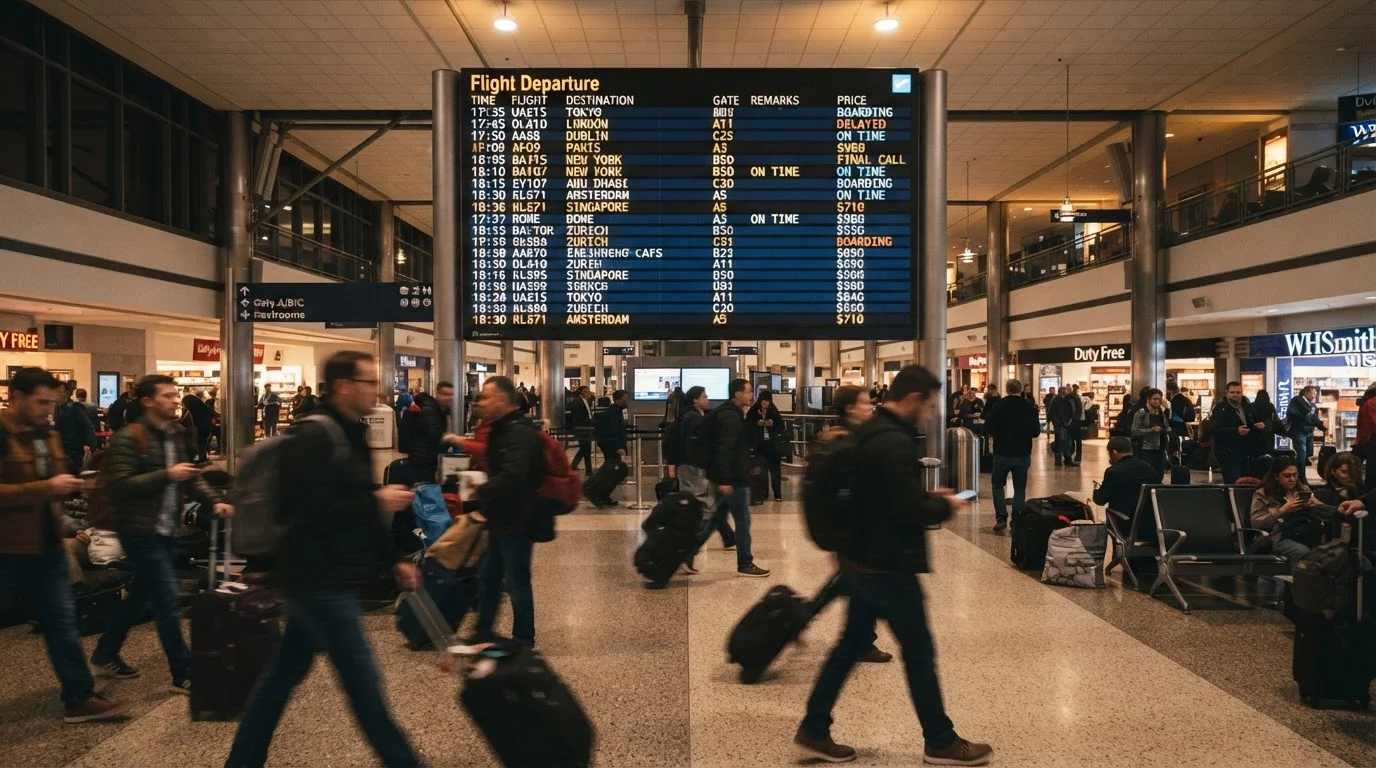
Photo credit: ResultsRover.com | Insights You Can Trust
In this article
Last-minute airfare isn't always a bargain. Understand the pricing patterns behind flight costs and when waiting until the final days actually pays off.
Key Takeaways
- Last-minute fares are often higher on popular routes and during peak travel periods.
- Unsold seats on thin-demand routes sometimes drop in price close to departure.
- The so-called 'sweet spot' for domestic booking is generally 3–8 weeks before departure.
- Flexible destination and date choices are the biggest leverage points for last-minute travelers.
- Budget carriers and charter routes behave differently from major network airlines on late pricing.
- Hidden fees — bags, seat selection — can erase any savings found on a cheap last-minute base fare.
How Airlines Actually Price Last-Minute Seats
The idea that airlines slash prices at the last minute to fill empty planes is outdated for most routes. Modern revenue management software is remarkably good at predicting demand, and airlines price accordingly from the moment a flight goes on sale — often 11 months out.
When demand is strong, fares trend upward as departure approaches. Each time a lower-priced fare bucket sells out, the algorithm moves buyers into a higher bracket. On a busy Friday afternoon flight from New York to Miami during spring break, you will almost certainly pay more booking the week before than the month before.
The exception involves routes where demand is genuinely weak. If a plane is heading toward departure with a third of its seats empty, the airline's system may release discounted inventory — not out of generosity, but because some revenue beats none. These situations do occur, but they're route-specific and unpredictable.
~21 days
Before departure when domestic fares often spike
Airfare tracking analyses have repeatedly found that domestic ticket prices tend to rise sharply inside the three-week window before departure on high-demand routes.
3–8 weeks
Typical domestic booking sweet spot
Multiple independent airfare studies point to this advance-purchase window as consistently offering competitive fares for domestic US routes.
Up to 40%
Extra cost for peak last-minute domestic fares
On busy holiday and weekend routes, fares purchased in the final two weeks can run substantially higher than the same routes booked a month prior, according to airfare analysts.
Understanding this dynamic is the foundation. The myth that last-minute always means cheap costs travelers real money every year.
When Last-Minute Fares Actually Work in Your Favor
There are genuine scenarios where holding off pays off — you just need to know what you're looking for.
Low-Demand Routes
Thin-demand routes between smaller markets — think mid-sized Midwest cities, off-peak regional connections — are where unsold-seat discounts are most plausible. Airlines would rather move inventory than fly empty.
Off-Peak Travel Periods
Shoulder season and mid-week departures on leisure routes sometimes yield late-availability deals. A Tuesday departure to a beach destination in late September carries different economics than a Friday flight over Memorial Day weekend.
Flexible Destination Travel
The strongest position is being genuinely flexible about where you go. If you can search broadly — any warm-weather destination, any city with direct service from your home airport — you're effectively letting pricing patterns guide your choice. That flexibility is worth more than any booking-timing trick.
Set a Price Alert, Then Commit
Rather than refreshing flight search results daily and hoping for a drop, set a fare alert for your route and define in advance the price at which you'll book. This removes emotion from the decision and prevents you from waiting past the point where fares start rising. Most major flight search tools offer this feature at no cost.
For practical strategies on pulling this together quickly, see travel planning on a tight timeline.
The Hidden Costs That Distort the 'Deal'
A low base fare found close to departure can look compelling until you factor in what surrounds it. Checked bag fees, carry-on charges on some budget carriers, seat selection fees, and the cost of a less convenient departure airport all erode apparent savings.
There's also the practical cost of flexibility. Last-minute bookings typically come with restricted or non-refundable tickets, meaning any change to your plans can trigger fees that dwarf the original saving. If your schedule is firm, that risk may be acceptable. If it isn't, the calculus changes.
Hidden costs blow up travel budgets in ways that rarely show up on initial price comparisons. Always build a realistic total-trip cost before concluding a last-minute fare is actually cheaper than what you'd have paid booking weeks earlier.
A Smarter Framework for Airfare Timing
Rather than chasing a single magic booking window, think in terms of risk tolerance and route type. For must-travel dates — major holidays, specific events, international itineraries — book early. The downside of waiting far outweighs any potential saving.
For flexible domestic leisure travel during non-peak periods, monitoring fares from 6–8 weeks out and setting a price threshold you're comfortable with is a reasonable approach. If fares drop further, you may have left a little money on the table. If they rise, you'll be glad you acted.
The broader principle connects to a concept worth internalizing: paying more isn't always wasteful when the alternative is stress, missed opportunities, or a worse overall outcome. Locking in a reasonable fare early is often the smarter financial decision — even if it isn't the absolute floor price.
Also worth examining: trip planning myths that waste your time and money often include rigid beliefs about booking timing that don't hold up under scrutiny.
“Airlines are not in the business of giving away seats — they're in the business of maximizing revenue per flight. The rare last-minute deal exists because the alternative for the airline is worse, not because they're being generous.”
— George Hobica, Founder of Airfarewatchdog, widely cited airfare analyst
Frequently Asked Questions

Author
Travel Smart Editorial Team
Travel Smart Editorial Team is the collective byline for our editorial team and contributor network. Articles published under this byline or an editorial pen name are researched, written, and reviewed according to our editorial standards for clarity, consistency, and independence before publication.
View all articles →