
Eating Well Abroad Without Spending Like a Tourist
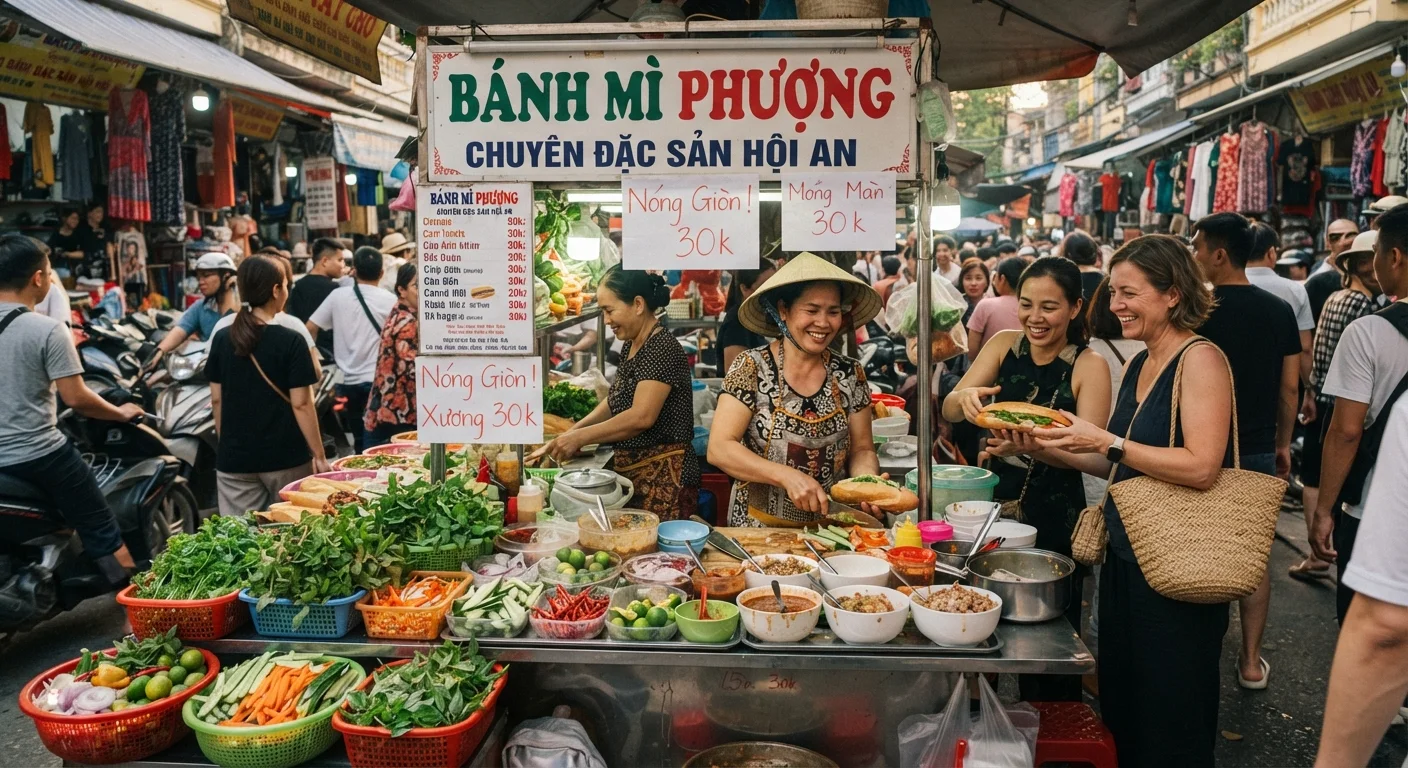
Photo credit: ResultsRover.com | Insights You Can Trust
In this article
Food is one of travel's biggest variable expenses. These approaches help you eat authentically and affordably, whether you're in Europe, Asia, or Latin America.
Key Takeaways
- Eating where locals eat almost always costs less than dining near tourist attractions.
- Grocery stores and markets let you stretch your food budget without sacrificing quality or variety.
- Shifting your biggest meal to lunch takes advantage of fixed-price menus common worldwide.
- A small amount of destination-specific food research before you travel pays off significantly.
- Street food in many regions is safe, flavorful, and a fraction of restaurant prices.
Why Food Costs Spiral for American Travelers
Food is one of the most unpredictable line items in any travel budget — and one of the easiest to overspend on without realizing it. A few tourist-trap dinners, airport snacks, and bottled water habits can quietly add $30–$60 per day above what you'd spend eating like a local. For a two-week trip, that's real money.
The good news: eating affordably abroad doesn't mean eating badly. In most of the world, the most authentic food is also the most affordable. The problem is that travelers default to the familiar — English-language menus, hotel dining rooms, and restaurants clustered around major sights — which are almost universally priced for convenience, not value.
For a broader foundation on managing travel costs from the start, see the beginner's guide to budget travel.
~30%
Share of total trip budget spent on food
Travel budget analyses frequently estimate that food accounts for roughly 25–35% of total trip expenses for independent travelers, making it one of the largest controllable cost categories.
2–3x
Price premium at tourist-area restaurants
Consumer travel research consistently finds that restaurants within immediate proximity to major tourist sites charge roughly two to three times the local average for comparable dishes.
Proven Practices for Eating Well on Less
These approaches work across regions — whether you're navigating a Thai night market, a Spanish mercado, or a Mexican comedor. Apply them selectively based on your destination and comfort level.
Eat your largest meal at lunch, not dinner.
Many countries — particularly in Europe and Latin America — offer fixed-price lunch menus (called 'menu del día,' 'prix fixe,' or similar) that include multiple courses for a fraction of the à la carte dinner price. The kitchen is the same; the markup is not.
Shop at local grocery stores and markets for at least one meal per day.
Supermarkets and fresh markets offer a window into local food culture and let you assemble quality meals — cheese, bread, fruit, charcuterie — for a fraction of sit-down costs. This is especially effective for breakfast and lunch.
Move one or two blocks away from major tourist landmarks before sitting down to eat.
Restaurants immediately adjacent to popular sights pay premium rent and price their menus accordingly. A short walk — even 200 meters — often reveals locally patronized spots with lower prices and more authentic menus.
Embrace street food from vendors with high local turnover.
High customer volume is a reliable indicator of both quality and food safety — vendors serving primarily locals can't afford to compromise on either. Street food is also typically the most affordable way to try regional specialties.
Learn the names of staple local dishes before you arrive.
Knowing what to ask for — and recognizing it on a menu — prevents you from defaulting to Westernized or tourist-adapted versions that cost more and deliver less. Even basic food vocabulary signals respect to vendors and improves your experience.
Carry a reusable water bottle and use filtered or boiled water where tap is unsafe.
Bottled water purchases add up quickly, especially in hot climates, and generate significant plastic waste. Many destinations have safe tap water; in others, filtered stations or boiled hostel water are practical alternatives.
Quick Actions Before and After You Land
A little advance research pays outsized dividends once you're on the ground. Knowing which neighborhoods have the best local food scenes, which days markets run, and what the regional staple dishes are called prevents you from defaulting to whatever's convenient and overpriced.
Use Google Maps Reviews Strategically
When evaluating a restaurant abroad, filter reviews by the local language rather than English. A spot reviewed primarily by locals — rather than fellow tourists — is a strong signal that pricing and quality reflect the real market. This quick filter takes seconds and regularly surfaces options that never appear on English-language travel blogs.
If you're also rethinking how you manage spending overall, the Smart Spending hub covers practical approaches to stretching your dollars on everyday purchases — principles that transfer naturally to travel.
Nutrition Doesn't Have to Suffer
Budget eating abroad doesn't mean surviving on carbs. Markets and local eateries in most regions offer abundant fresh vegetables, legumes, and protein-forward dishes that are both nutritious and inexpensive. Street food in Southeast Asia and Latin America, for example, is often built around balanced, whole-ingredient cooking rather than the processed shortcuts common in fast food back home.
If you want a framework for thinking about food balance while traveling, building a balanced plate without calorie counting offers practical visual cues that work anywhere — no tracking required.
Food Safety Varies by Destination
Street food safety depends on local infrastructure, water supply quality, and vendor practices — not simply whether a place looks busy. Before traveling, check the CDC and your destination country's official health guidance for food and water safety recommendations. When in doubt, opt for cooked-to-order hot food and avoid raw produce washed in tap water in regions where water safety is uncertain.
This article provides general travel and budgeting information only. Food safety conditions, prices, and availability vary by destination and change over time. Always verify current travel and health conditions with official government sources before you go.

Author
Travel Smart Editorial Team
Travel Smart Editorial Team is the collective byline for our editorial team and contributor network. Articles published under this byline or an editorial pen name are researched, written, and reviewed according to our editorial standards for clarity, consistency, and independence before publication.
View all articles →