
Visiting Costa Rica: Dry Season vs. Green Season Trade-Offs
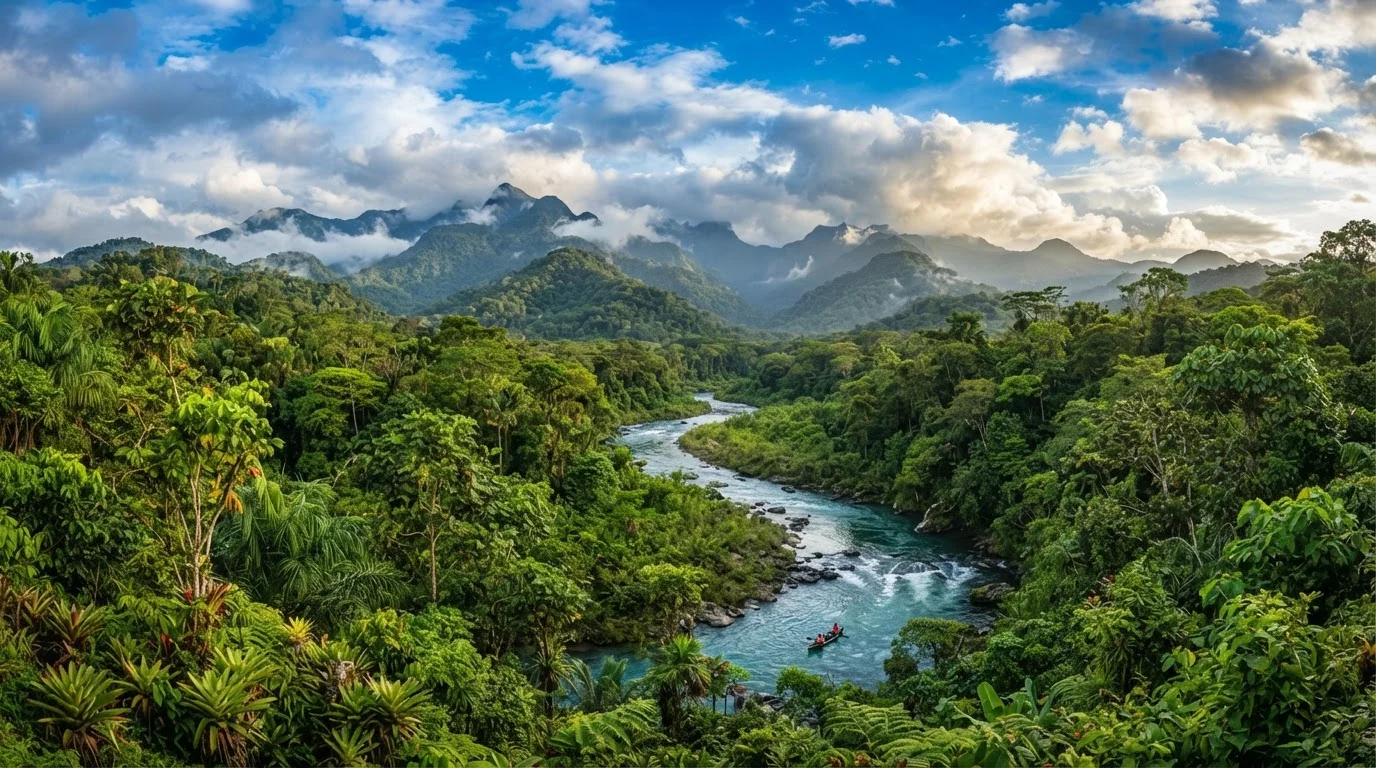
Photo credit: ResultsRover.com | Insights You Can Trust
In this article
Costa Rica's two seasons shape everything from road conditions to wildlife sightings. Here's what each one actually means for your itinerary.
Key Takeaways
- Dry season (December–April) offers reliable sunshine and easier road access but brings peak crowds and higher prices.
- Green season (May–November) delivers lush landscapes, lower costs, and fewer tourists, but afternoon rain is nearly guaranteed.
- Wildlife activity is strong year-round; some species are actually easier to spot during green season.
- Road conditions in remote areas can deteriorate significantly during heavy green-season rains.
- Timing your trip around shoulder months (late April or November) can capture benefits of both seasons.
Predictable sunshine for beach and outdoor activities
Pacific coast destinations enjoy largely rain-free days from December through April, making beach time and hiking more reliable and photo-friendly.
Easier road access, including remote areas
Unpaved roads to popular destinations like the Osa Peninsula are far more navigable in dry season, reducing the risk of getting stranded or needing a high-clearance vehicle.
Wildlife concentrates near water sources
As rivers and pools shrink in dry season, animals gather at predictable water points, often making wildlife sightings more frequent and accessible.
Full tour operator and park schedules
Most operators run their complete lineup of excursions, and national park facilities are fully staffed and open throughout the dry months.
Peak pricing across accommodation and tours
Hotels, lodges, and guided tours charge their highest rates during dry season, and discounts are rare at sought-after properties.
Crowds at popular parks and beaches
Manuel Antonio, Arenal, and other high-profile destinations see their heaviest visitor traffic December through March, which can diminish the experience.
Afternoon rain disrupts outdoor plans daily
Green season rain is reliable — typically arriving mid-afternoon — which requires building your activity schedule around it rather than ignoring it.
Remote roads can become impassable
Heavy rainfall can wash out or flood unpaved roads in areas like the southern Pacific zone, occasionally cutting off access to lodges or trailheads.
Some tour operators reduce green-season offerings
Certain adventure tours, boat trips, or remote lodge experiences scale back availability during the wettest months, particularly September and October.
How Costa Rica's Two Seasons Actually Work
Costa Rica doesn't have four seasons — it has two: dry season (roughly December through April) and green season (May through November), locally called verano and invierno respectively. These labels can be misleading. "Green season" doesn't mean constant downpours; it typically means sunny mornings followed by predictable afternoon or evening rain showers. "Dry season" doesn't mean zero rain — especially in the Caribbean coast region, which operates on its own rainfall pattern almost entirely independent of the Pacific side.
Geography complicates things further. Costa Rica's Pacific coast, central highlands, and Caribbean lowlands each behave differently. A traveler planning to visit Tortuguero, Monteverde, and Manuel Antonio in a single trip will experience three distinct microclimates regardless of which season they choose. Before deciding when to go, it pays to map out your specific regions — not just the country as a whole. Evaluating a destination against your priorities before booking can prevent mismatched expectations.
Dry Season: The Case For and Against
Dry season is peak travel season for good reason. Paved and unpaved roads are far more accessible, beach days are reliably sunny, and most tour operators run full schedules. Many national parks are at their most navigable — trail conditions are firm, river crossings are lower, and wildlife concentrates around water sources, making animals easier to observe.
Predictable sunshine for beach and outdoor activities
Pacific coast destinations enjoy largely rain-free days from December through April, making beach time and hiking more reliable and photo-friendly.
Easier road access, including remote areas
Unpaved roads to popular destinations like the Osa Peninsula are far more navigable in dry season, reducing the risk of getting stranded or needing a high-clearance vehicle.
Wildlife concentrates near water sources
As rivers and pools shrink in dry season, animals gather at predictable water points, often making wildlife sightings more frequent and accessible.
Full tour operator and park schedules
Most operators run their complete lineup of excursions, and national park facilities are fully staffed and open throughout the dry months.
The tradeoffs are real. Hotels and lodges charge peak rates, popular parks like Manuel Antonio or Arenal fill with visitors, and advance bookings are essential — sometimes months out. If your schedule is rigid, dry season is the safer bet. If your itinerary has flexibility, you may be leaving value on the table. Shoulder season timing — late November or April — can capture dry-season conditions at reduced cost and crowd levels.
Green Season: What You Gain and What You Manage
Green season gets an unfairly bad reputation among travelers unfamiliar with tropical climates. In practice, mornings are often clear and beautiful; rain typically arrives in the afternoon and clears by evening. For travelers who structure their day accordingly — rainforest hikes and waterfall visits in the morning, relaxation or cultural activities in the afternoon — the rain is manageable rather than disruptive.
Peak pricing across accommodation and tours
Hotels, lodges, and guided tours charge their highest rates during dry season, and discounts are rare at sought-after properties.
Crowds at popular parks and beaches
Manuel Antonio, Arenal, and other high-profile destinations see their heaviest visitor traffic December through March, which can diminish the experience.
Afternoon rain disrupts outdoor plans daily
Green season rain is reliable — typically arriving mid-afternoon — which requires building your activity schedule around it rather than ignoring it.
Remote roads can become impassable
Heavy rainfall can wash out or flood unpaved roads in areas like the southern Pacific zone, occasionally cutting off access to lodges or trailheads.
Some tour operators reduce green-season offerings
Certain adventure tours, boat trips, or remote lodge experiences scale back availability during the wettest months, particularly September and October.
The financial case for green season is strong. Accommodation rates can drop noticeably from peak pricing, and you'll share popular sites with far fewer visitors. Vegetation is at its most dramatic, rivers run fuller, and certain wildlife encounters — including nesting sea turtles on the Caribbean coast — are uniquely available during these months. The key risk: unpaved rural roads can become genuinely impassable after heavy rain, and some remote lodges or tour options reduce operations. Building flexibility into your itinerary matters more in green season than almost anywhere else.
Caribbean Coast Follows Different Rules
The Caribbean side of Costa Rica — including Tortuguero and Puerto Viejo — does not follow the standard dry/green season pattern. It receives rainfall year-round, with its drier spells typically falling in September–October and February–March, essentially the opposite of the Pacific side. If your itinerary includes both coasts, research each region's rainfall pattern separately before setting travel dates.
Planning Your Trip Around These Trade-Offs
The most practical framing: dry season optimizes for certainty; green season optimizes for value and authenticity. Neither is universally superior. Your choice should reflect your tolerance for rain disruptions, your accommodation budget, your transportation plan (rental car vs. guided tours), and which specific regions you're visiting.
~180 cm
Annual rainfall in San José highlands
Costa Rica's Instituto Meteorológico Nacional records show the central valley receives roughly 180 cm of rain annually, most of it concentrated May through October.
2 seasons
Distinct climate periods nationwide
Unlike temperate countries, Costa Rica operates on a dry/wet binary that shapes travel conditions, pricing, and wildlife patterns across all its regions.
If you're renting a car and planning to explore remote Osa Peninsula or the northern lowlands, dry season is significantly lower-risk. If you're based in a well-connected area like the Arenal or Tamarindo, green season is very workable. Wherever you land on the decision, nail down your lodging arrangements early — Costa Rica's most appealing properties book out quickly in either season. For a broader look at how accommodation type affects your total costs, comparing vacation rentals and hotels is worth reviewing before you commit.
All travel conditions, prices, and seasonal patterns described here are general guidance. Verify current entry requirements, road conditions, and park access with official Costa Rican tourism sources and your accommodation provider before traveling.

Author
Travel Smart Editorial Team
Travel Smart Editorial Team is the collective byline for our editorial team and contributor network. Articles published under this byline or an editorial pen name are researched, written, and reviewed according to our editorial standards for clarity, consistency, and independence before publication.
View all articles →