
The National Park Passport: What It Is and How the Stamp Program Works
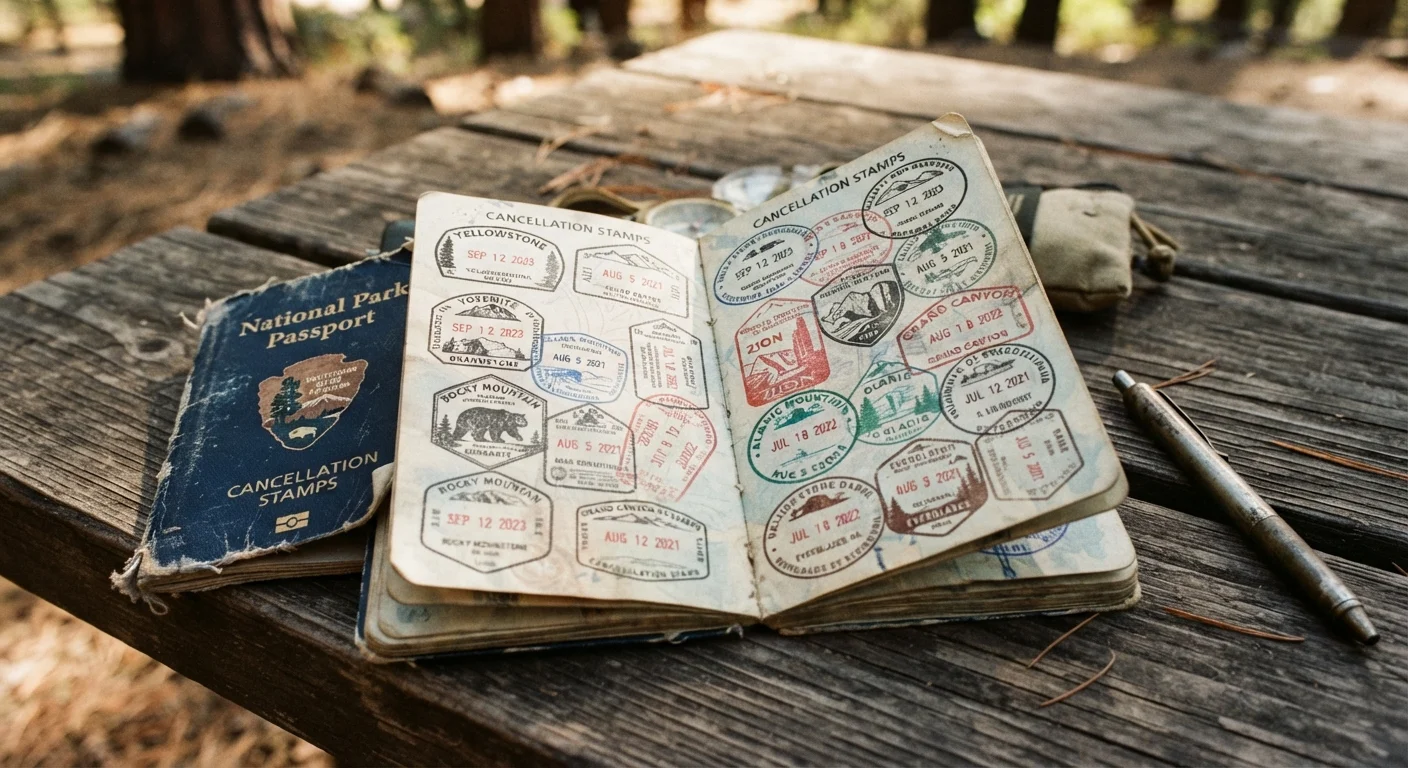
Photo credit: ResultsRover.com | Insights You Can Trust
In this article
The National Park Passport program lets visitors collect cancellation stamps at over 400 sites. Here's what it is, how it works, and who it suits.
Key Takeaways
- Cancellation stamps are free at all participating NPS sites — only the booklet costs money.
- Over 400 NPS units participate, including national parks, historic sites, and recreation areas.
- Stamps are collected at official cancellation stations, typically located in visitor centers.
- The passport booklet is sold at many park gift shops and through Eastern National's online store.
- Completing a regional set of stamps can earn a bonus collectible medallion from Eastern National.
- The program suits solo travelers, families, and road-trippers of all ages and budgets.
What the Program Actually Is
The National Park Passport stamp program — formally called the National Parks Passport to Your National Parks — is a hobby-meets-travel-journal concept that's been running since 1986. Eastern National, a nonprofit that supports NPS education programs, created and manages it. The core mechanic is simple: buy a booklet, visit a participating site, find the cancellation station, and press an ink stamp onto the page.
Each stamp is unique to its location and typically includes the park's name and the date of your visit. The booklet itself is organized by NPS region — Alaska, Pacific West, Intermountain, Midwest, Southeast, Northeast, National Capital — so stamps accumulate in a logical geographic order. Some collectors chase every stamp in a region before moving on; others stamp as they travel naturally and let the booklet fill organically over years or decades.
Not Affiliated With Your US Passport
The National Park Passport booklet has no connection to the US government passport issued by the State Department. It's a privately published collector's journal sold by Eastern National, a nonprofit. You do not need to present it at any border or federal checkpoint.
How to Get Started
Starting is low-effort. Pick up a passport booklet at virtually any large national park's visitor center gift shop or through Eastern National's website. Once you have it, no registration or sign-up is required — just show up with your booklet.
At each site, look for the cancellation station. At busy parks like Grand Canyon or Yellowstone, these are prominently placed near the main visitor center entrance. At smaller historic sites, you may need to ask at the front desk. The stamps are self-inking pads; you press the stamp yourself. Rangers are generally happy to help first-timers.
Protect Your Stamps While Traveling
Keep your passport booklet in a zip-lock bag or small dry pouch, especially on river trips or rainy-day hikes. Ink stamps can smear if pages get wet before fully drying. Give each stamp 30–60 seconds to set before closing the booklet.
A few practical notes worth knowing before your first trip:
- Bring your booklet — stamps can't be retroactively added, and staff won't mail them.
- Ink can bleed through thin pages; some collectors use a spare sheet as a buffer.
- If a visitor center is crowded, look for overflow cancellation stations near the exit or bookstore.
Who the Program Is Really For
The passport program has unusually broad appeal. Families with kids find it gives children an active goal during park visits, turning what might be a passive drive-through into a mini mission. Road-trippers use it to document multi-state journeys. Retirees with the time to pursue all 400-plus sites treat it as a long-term project spanning years.
400+
NPS sites with cancellation stamps
Eastern National reports that more than 400 NPS-managed units participate in the passport cancellation program.
1986
Year the program launched
Eastern National introduced the passport booklet program in 1986 in partnership with the National Park Service.
63
Designated national parks in the US
The US has 63 congressionally designated national parks — a subset of the 400+ total NPS units that participate in the stamp program.
The program also layers naturally onto existing park visits without adding cost or complexity. If you're already paying an entry fee and visiting a visitor center, grabbing a stamp takes less than two minutes. That low barrier is a big part of why the community around it — online forums, dedicated Facebook groups, YouTube trip logs — has grown steadily.
One thing the program is not: a shortcut to experiencing a park. Rangers and veteran collectors alike note that the stamp should be a byproduct of a real visit, not the whole purpose of one. Racing through a park just to stamp a booklet and leave misses the point of the NPS mission — and shortchanges the trip itself.
Bonus Collectibles and the Regional System
Beyond stamps, Eastern National sells two add-on collectibles worth knowing about. Pressed-coin medallions are park-specific souvenirs available at many sites for a small fee. Passport cancellation stamp sets — pre-inked regional stamp sets sold in booklet form — let collectors fill in sites they may never physically visit, though purists typically keep these separate from their official field booklets.
Completing all stamps within a given NPS region doesn't unlock any official government reward, but it's a meaningful personal milestone for dedicated collectors. Eastern National periodically releases limited regional sticker sets and other accessories through its store, which have developed a modest secondary collector market.
The passport program has no official end goal or completion certificate from the NPS itself. The National Park Service does separately recognize visitors who complete all 63 designated national parks — a harder challenge called the 59 Club historically, now updated to reflect redesignations — but that's a different pursuit entirely from the passport stamp program.
Frequently Asked Questions

Author
Travel Smart Editorial Team
Travel Smart Editorial Team is the collective byline for our editorial team and contributor network. Articles published under this byline or an editorial pen name are researched, written, and reviewed according to our editorial standards for clarity, consistency, and independence before publication.
View all articles →