
Spaying vs. Neutering: What the Terms Mean and How the Procedures Differ
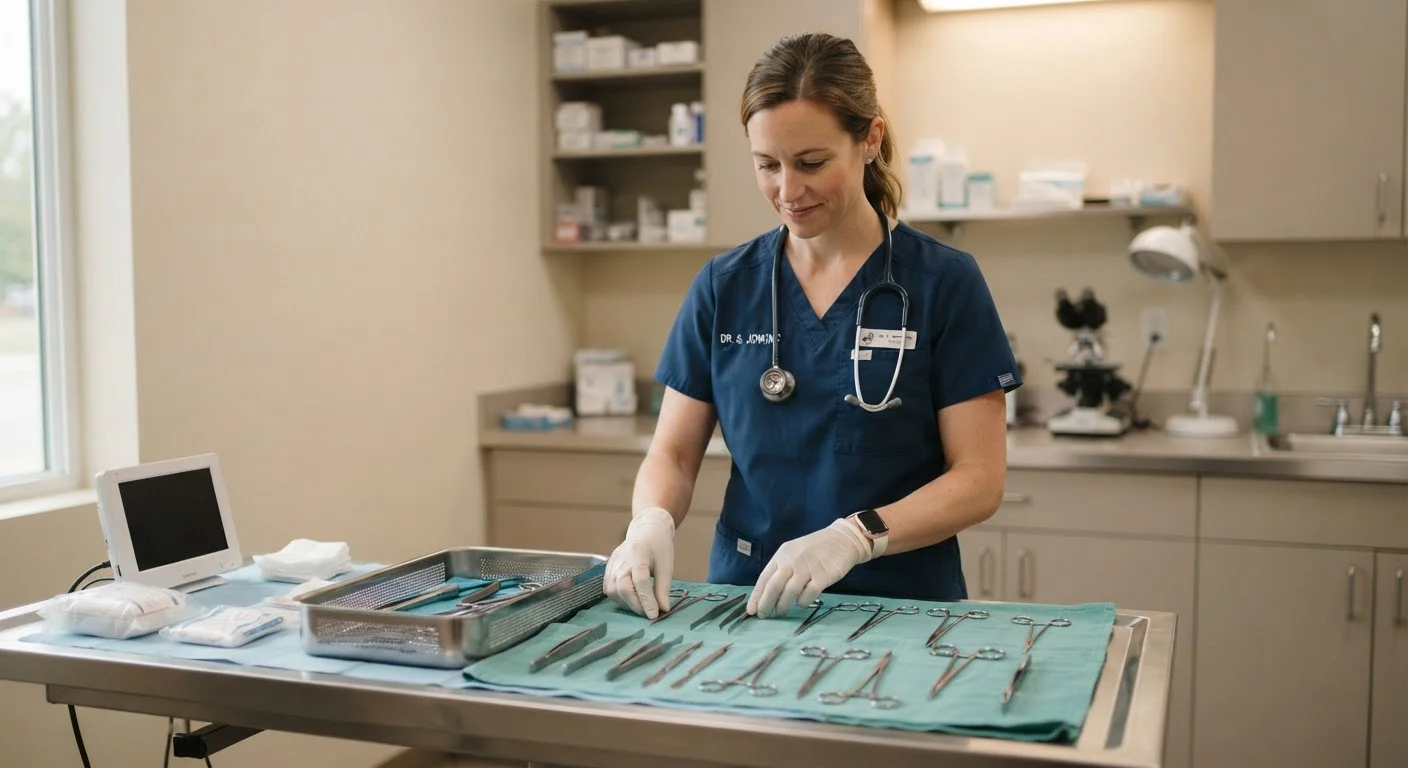
Photo credit: ResultsRover.com | Insights You Can Trust
In this article
Spaying and neutering are often mentioned together but are different procedures. This breakdown explains what each involves, the recovery, and common health considerations.
Key Takeaways
- Spaying removes a female pet's ovaries and usually the uterus; neutering removes a male pet's testicles.
- Spaying is a more involved abdominal surgery with a slightly longer recovery than neutering.
- Both procedures are performed under general anesthesia and are considered routine by most veterinarians.
- Timing recommendations vary by species, breed, and size — always consult your veterinarian.
- Neither procedure is a substitute for regular wellness care and preventive veterinary visits.
Understanding the Core Difference
The words "spaying" and "neutering" are frequently used interchangeably in casual conversation, but they describe two distinct surgical procedures applied to different sexes. Understanding what each involves helps pet owners make informed decisions alongside their veterinarian rather than simply following general advice.
Spaying — medically called an ovariohysterectomy — is the surgical removal of a female animal's ovaries and uterus. Some veterinarians perform an ovariectomy, removing only the ovaries, though the full removal remains the most common approach in the United States. Because it involves entering the abdominal cavity, it is classified as an internal (intra-abdominal) surgery.
Neutering — medically called an orchiectomy or castration — is the surgical removal of a male animal's testicles. Since the testicles are external, this procedure does not require entering the abdominal cavity in most cases, making it technically less invasive than spaying.
| Criterion | Spaying | Neutering |
|---|---|---|
| Applies to | Female pets | Male pets |
| Medical term | Ovariohysterectomy (or ovariectomy) | Orchiectomy / castration |
| Organs removed | Ovaries and uterus | Testicles |
| Surgical type | Intra-abdominal (internal) | External (usually) |
| Typical recovery time | 10–14 days | 5–10 days |
| Anesthesia required | Yes | Yes |
| Eliminates heat cycles | Yes | Not applicable |
| May reduce roaming/marking | Possible | Yes, commonly |
What Each Procedure Involves
Both procedures are performed under general anesthesia by a licensed veterinarian. Pre-surgical bloodwork is often recommended to confirm the pet is healthy enough for anesthesia, particularly in older animals.
Spaying
The surgeon makes an incision in the abdomen, locates and removes the ovaries and uterus, and closes the incision in layers. Internal sutures are typically absorbable; external sutures or staples may be removed at a follow-up visit. Laparoscopic (minimally invasive) spay techniques are available at some practices and may result in a smaller incision and faster recovery, though not all clinics offer this option.
Neutering
One or two small incisions are made near the scrotum. The testicles are removed and the incision is closed, often with absorbable sutures. The scrotum itself remains but shrinks over time. Cryptorchid pets — those with one or both testicles retained inside the abdomen — require abdominal surgery similar in scope to a spay.
~23%
Lifetime risk of pyometra in intact female dogs
Research published in veterinary literature estimates that roughly 1 in 4 intact female dogs will develop pyometra, a serious uterine infection, by age 10.
5–10 days
Typical neuter recovery window
Most veterinary guidelines suggest male pets return to normal activity within about one week, barring complications.
Recovery: What to Expect
Recovery timelines differ between the two procedures, largely because of the difference in surgical depth.
After spaying, most female pets need 10 to 14 days of restricted activity. The abdominal incision must be kept dry and clean, and pets should wear an e-collar (cone) or surgical suit to prevent licking. Swelling, mild bruising, and some lethargy in the first 24–48 hours are normal. Contact your veterinarian if you observe excessive bleeding, discharge from the incision, signs of pain unresponsive to prescribed medication, or fever.
After neutering, male pets typically recover within 5 to 10 days. Scrotal swelling is common and usually resolves on its own. As with spaying, restricted activity, an e-collar, and incision monitoring are standard recommendations. Signs that warrant a call to your vet include unusual swelling that worsens rather than improves, discharge, or a pet that is unwilling to eat after the first day.
Keep in mind that every pet is an individual. A large-breed dog and a small cat will not have identical recovery trajectories even after the same procedure.
Cryptorchidism Changes the Neutering Picture
If one or both of a male pet's testicles have not descended into the scrotum — a condition called cryptorchidism — neutering requires abdominal surgery similar in scope to a spay. This is more involved than a routine neuter and typically comes with a longer recovery. Your veterinarian can identify this condition during a physical exam, making regular wellness checks especially valuable before scheduling the procedure.
Health Considerations and Timing
The decision of when to spay or neuter is as important as understanding what each procedure involves. Veterinary guidance on optimal timing has evolved, particularly for larger-breed dogs, where emerging research suggests that waiting until the pet reaches skeletal maturity may be associated with different health trade-offs compared to early procedures. No single universal answer applies to all pets.
For female pets, spaying before the first heat cycle has historically been associated with a lower risk of mammary tumors, though the strength of this association and the clinical implications continue to be studied. Eliminating the uterus also removes the risk of pyometra, a potentially life-threatening uterine infection that is relatively common in intact older females.
For male pets, neutering eliminates the risk of testicular conditions and may reduce the incidence of certain prostate problems. Its effect on behavior varies — neutering tends to reduce testosterone-driven behaviors like roaming and urine marking, but is not a guaranteed behavioral solution and is not a substitute for training.
Always discuss the specific timing, method, and health context for your individual pet with your veterinarian. Routine wellness visits are an ideal time to have this conversation — see our guide to preventive care scheduling for help planning when to book those appointments.
This article is for general educational purposes only and is not a substitute for personalized veterinary advice. Always consult a licensed veterinarian regarding your pet's individual health needs and surgical decisions.

Author
Pets & Animals Editorial Team
Pets & Animals Editorial Team is the collective byline for our editorial team and contributor network. Articles published under this byline or an editorial pen name are researched, written, and reviewed according to our editorial standards for clarity, consistency, and independence before publication.
View all articles →