
Understanding Personal Finance from Paycheck to Emergency Fund
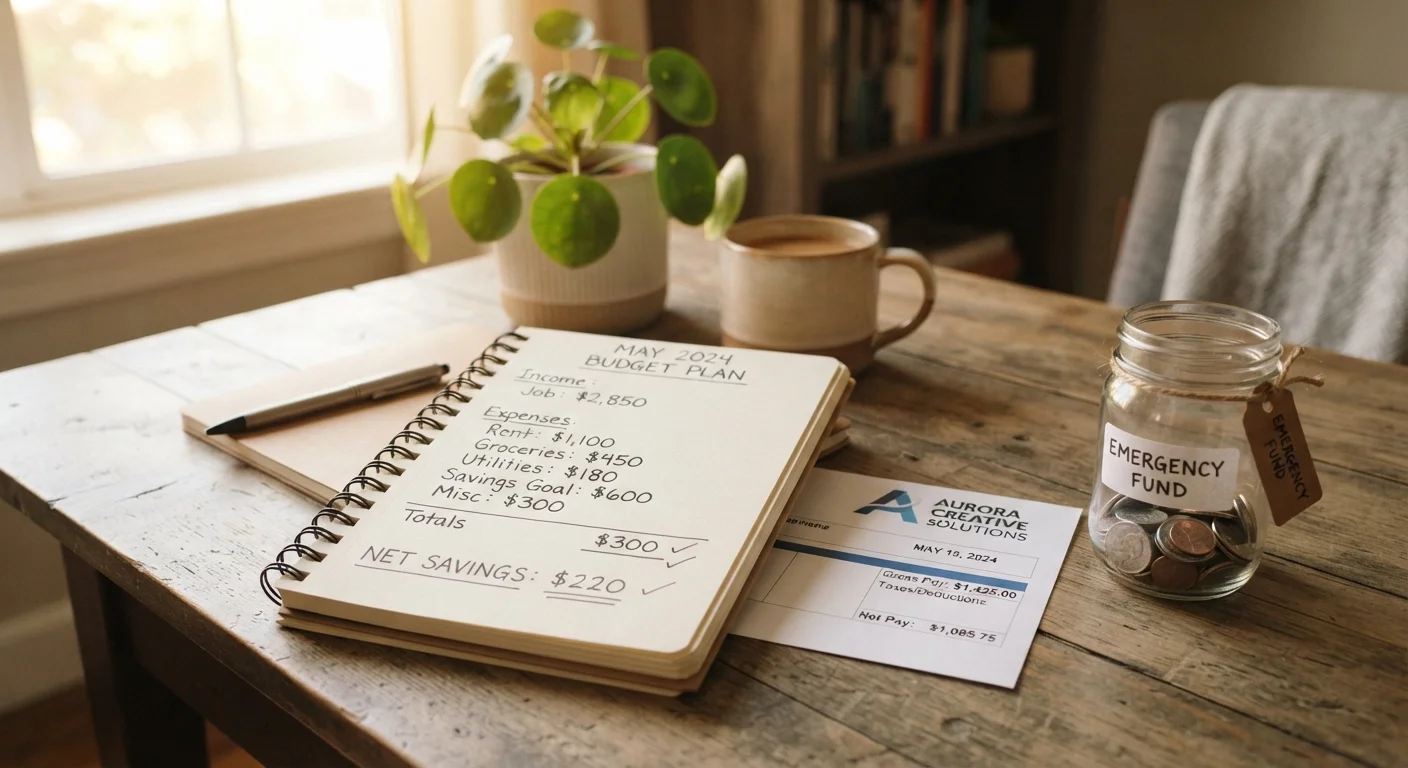
Photo credit: ResultsRover.com | Insights You Can Trust
In this article
A comprehensive guide to managing saving and debt together — from tracking your first paycheck to maintaining a fully funded emergency reserve.
Key Takeaways
- Knowing your exact take-home pay is the non-negotiable first step in any financial plan.
- Paying off high-interest debt and saving simultaneously is possible with a structured split approach.
- Three to six months of essential expenses is the widely recommended emergency fund target.
- Automating small transfers beats relying on willpower to build savings over time.
- A budget only works when revisited monthly — life changes, and your plan should too.
Why Paycheck-to-Paycheck Living Is a Trap — And How to Escape It
About 78% of American workers reported living paycheck to paycheck at some point, according to surveys by consumer research organizations. When every dollar is spoken for before it arrives, a single unexpected bill — a car repair, a medical copay — can trigger a debt spiral that takes months to unwind.
The exit isn't dramatic. It's a series of small, deliberate decisions made consistently. The framework in this guide covers the full arc: understanding what you actually earn, managing existing debt, and converting margin into a funded emergency reserve. No magic, no shame — just a repeatable system.
~78%
U.S. workers living paycheck to paycheck
Reported in multiple consumer financial wellness surveys conducted by organizations including the American Payroll Association.
3–6 months
Recommended emergency fund target
Widely cited by consumer financial educators and organizations such as the Consumer Financial Protection Bureau.
20%+
Average APR on credit card debt
Federal Reserve data on average interest rates charged by commercial banks on credit card plans.
Know Your Numbers: Net Income and Fixed vs. Variable Expenses
Net income (your take-home pay after taxes and payroll deductions) is the only number that matters for budgeting. Gross salary is what you earn on paper; net income is what you actually have to work with. If you're unsure of yours, check your most recent pay stub or bank deposit, not your offer letter.
Once you know your monthly net, split every expense into two buckets:
- Fixed expenses: rent or mortgage, car payment, insurance premiums, minimum loan payments. These don't move month to month.
- Variable expenses: groceries, gas, dining out, subscriptions. These fluctuate and are where most spending leaks hide.
Add up your fixed costs first. Whatever remains is your working margin. For a step-by-step process on this, see our complete household budgeting guide. Tracking variable spending for just 30 days often reveals expenses most people underestimate by 20–30%.
Start With One Month of Bank Statements
Before building any budget, download 30 days of transaction history and categorize every purchase. Most people are surprised by what they find — especially in subscriptions and food spending. This single exercise typically identifies $100–$200 in renegotiable or cuttable costs without changing your lifestyle meaningfully.
Tackling Debt While Saving at the Same Time
A common misconception is that you must eliminate all debt before saving a single dollar. In practice, that approach leaves you financially exposed — one emergency and you're back to borrowing at high interest rates.
A more resilient approach: allocate a small, fixed amount to savings (even $25–$50 per paycheck) while directing the bulk of any extra margin toward high-interest debt. This is sometimes called the split method. Here's why it works: building even a modest cash buffer reduces the probability that an unexpected expense forces you back onto a credit card at 20%+ APR (annual percentage rate — the yearly cost of borrowing).
High-Interest Debt Costs More Than You Think
Carrying a $3,000 balance on a credit card at 22% APR costs roughly $660 in interest per year if you make only minimum payments — and the balance barely moves. Before aggressively saving beyond your starter buffer, make a plan to eliminate high-interest balances. The guaranteed 'return' of eliminating 20%+ interest is difficult to match through saving alone.
Prioritize debt by interest rate, not balance size. Paying the minimum on lower-rate debt while attacking the highest-rate balance first (the avalanche method) typically costs you less in total interest over time. For readers exploring where their discretionary dollars are going, practical smart-spending strategies can reveal meaningful room to redirect toward debt repayment.
Building Your Emergency Fund: How Much and How Fast
The standard guidance from financial educators is to maintain three to six months of essential living expenses in a liquid, accessible account — typically a savings account separate from your checking. Essential expenses means the basics: housing, utilities, food, transportation, and minimum debt payments. Not your full lifestyle budget.
For most households, fully funding that reserve takes 12–24 months of consistent saving. That timeline is not a failure; it's reality. Progress looks like this:
- Starter buffer: $500–$1,000. This handles the most common emergencies — a blown tire, an urgent copay — without touching a credit card.
- One-month cushion: Covers a job disruption or major appliance failure.
- Full reserve: Three to six months, providing real job-loss protection.
Open your emergency fund at a different bank than your checking account. The minor inconvenience of transferring funds between institutions adds just enough friction to prevent impulse spending.
Behavioral finance research consistently shows that small structural barriers reduce the likelihood of depleting savings prematurely.
Name your savings account 'Emergency Only' in your banking app. A labeled account makes the purpose concrete and discourages casual withdrawals.
Studies in behavioral economics suggest that goal-labeling meaningfully increases follow-through on savings commitments.
Keep your emergency fund somewhere you won't accidentally spend it but can access within one to two business days. High-yield savings accounts (which pay more interest than standard savings accounts) are a practical choice — though specific product recommendations depend on your circumstances and the current rate environment. Consult a licensed financial adviser if you need guidance tailored to your situation.
Habits That Keep the System Running
The plan above only works if it runs consistently. Three habits make that happen:
- Automate the transfer: Set up a recurring transfer to savings on payday, even if it's small. Money that never hits your checking account doesn't get spent.
- Monthly budget review: Spending patterns shift — income changes, bills increase, life happens. A 15-minute monthly check keeps your plan calibrated. Our budgeting basics hub has tools and frameworks to make this routine sustainable.
- Celebrate milestones: Reaching your starter buffer, paying off a card, hitting one month's expenses in savings — these are real wins. Acknowledging them reinforces the behavior.
For readers looking to stretch their dollars further while executing this plan, smart spending strategies offer complementary ways to create more margin without a bigger paycheck.
“Financial security is not about how much you earn — it's about the gap between what you earn and what you spend, and what you do with that gap.”
— Elizabeth Warren, U.S. Senator and former Harvard Law professor, co-author of 'All Your Worth'
This article is for general informational and educational purposes only. It is not personalized financial, tax, or legal advice. Consult a qualified financial professional before making decisions specific to your situation.

Author
Personal Finance Editorial Team
Personal Finance Editorial Team is the collective byline for our editorial team and contributor network. Articles published under this byline or an editorial pen name are researched, written, and reviewed according to our editorial standards for clarity, consistency, and independence before publication.
View all articles →