
Envelope Budgeting in a World Without Cash
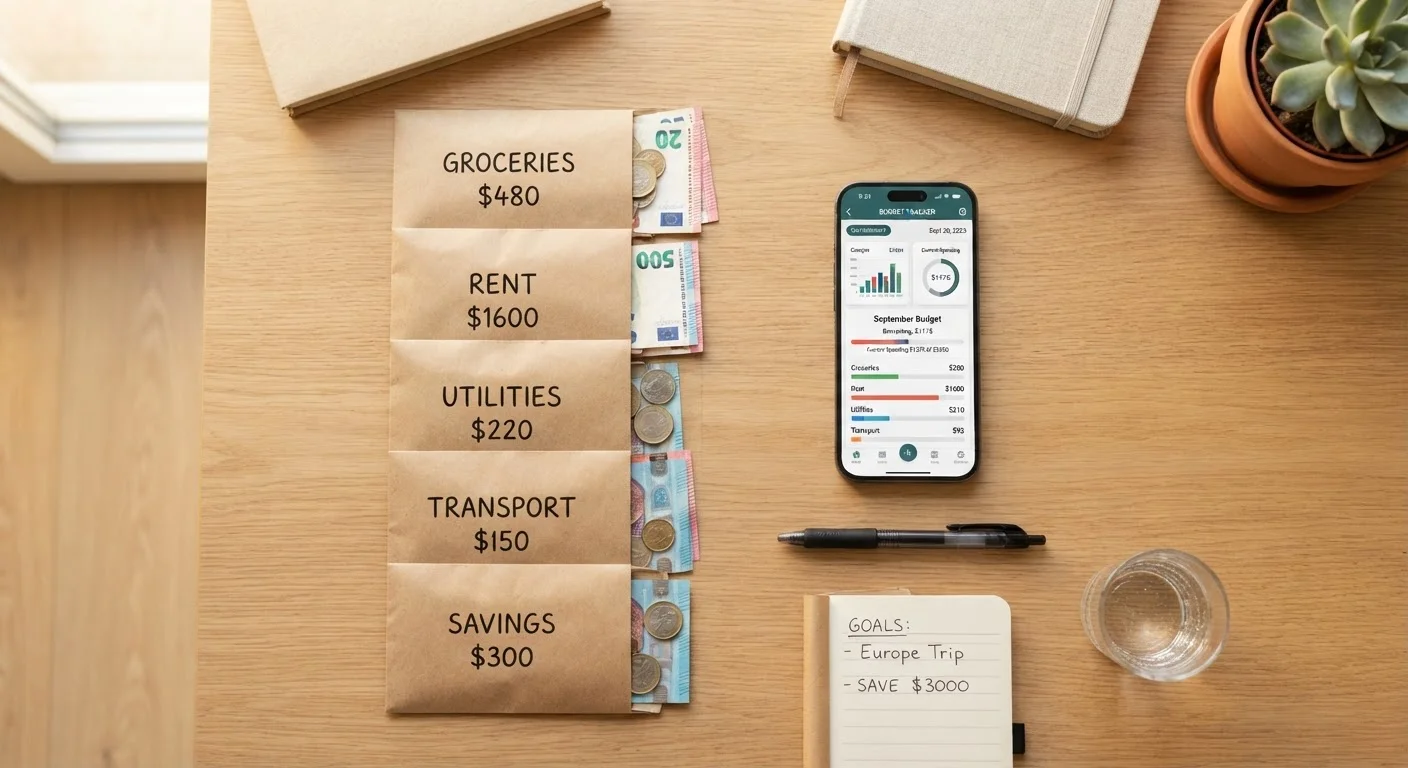
Photo credit: ResultsRover.com | Insights You Can Trust
The envelope method still works — even if you rarely use physical cash. Learn how to apply this classic system to debit cards and digital wallets.
Key Takeaways
- Envelope budgeting works digitally by assigning spending limits to virtual categories instead of physical cash.
- Dedicated debit accounts, budgeting apps, or simple spreadsheets can all replicate the envelope method effectively.
- The system's real power is psychological: pre-committing money to a category before you spend reduces impulse overage.
- Reviewing and resetting your envelopes each pay period is essential to keeping the system accurate.
- Credit cards can fit this system, but require stricter tracking discipline than debit-based approaches.
Why the Envelope Method Still Makes Sense
The traditional envelope system — physically dividing cash into labeled envelopes for groceries, gas, entertainment, and so on — works because it makes spending limits tangible. When the grocery envelope is empty, you stop spending on groceries. No app notification, no willpower required; the money is simply gone.
Most Americans rarely carry cash today, but that doesn't make the underlying logic obsolete. The system's real power is pre-commitment: you decide how much a category gets before temptation has any say. Research in behavioral economics consistently finds that people spend more when payment feels abstract — which is exactly what swiping a card does. A digital envelope recreates the psychological guardrail without requiring a trip to the ATM.
This method fits naturally into the broader framework covered in the complete household budgeting guide, and it works alongside smart spending strategies that help every dollar go further.
What you will need
How to Set Up Your Digital Envelope System
Follow the steps below to move from a blank slate to a fully functional digital envelope budget. The whole setup takes under an hour, and the ongoing maintenance is about five minutes per day.
Calculate your spendable income for the period
Start with your actual take-home pay — the amount deposited after taxes and any automatic deductions. If you haven't done this yet, the seven-step budget walkthrough covers the full income calculation process. Subtract fixed, non-negotiable bills (rent, insurance, minimum debt payments) first. The remaining amount is what you have available to divide across your envelopes.
Define your spending categories (envelopes)
List every variable spending area in your life: groceries, gas, dining out, clothing, entertainment, personal care, and a catch-all miscellaneous category. Variable expenses — the ones that change month to month — are where envelope budgeting has the most impact. Fixed bills are already handled; envelopes control what's left.
[tip_callout]Assign a dollar amount to each envelope
Based on your past spending (check the last two to three months of bank statements), assign a realistic limit to each category. The amounts across all envelopes plus your fixed bills should equal — not exceed — your take-home pay. If the math doesn't work, reduce category limits until it does. Don't round up hoping it works out; that's how overspending starts.
Choose your tracking method
Pick one of three approaches based on your habits:
- Budgeting app: Apps with envelope or category-based tracking log purchases against your limits automatically or with minimal manual entry.
- Spreadsheet: Create columns for each envelope, enter a starting balance, and subtract each purchase manually. Simple and free.
- Separate bank accounts: Open a second checking account and transfer the grocery envelope amount into it at the start of each period. Spend only from that account for groceries. The account balance is your envelope balance.
Track every purchase in real time
Log each transaction against its envelope category on the day you make it, not at the end of the week. The psychological benefit of envelope budgeting — knowing exactly how much is left before you spend — disappears if your records are days behind. A 30-second entry right after a purchase is all it takes.
Review, reset, and refund at each pay period
On payday, close out your envelopes. Decide deliberately what happens to any unspent balance: roll it into next period's envelope (useful for irregular expenses like car maintenance), move it to savings, or apply it to debt. Then fund every envelope again from the new paycheck before spending anything. This reset ritual is what keeps the system working over time.
[important_callout]Credit Cards Require Extra Discipline
Using a credit card inside an envelope system means you're tracking a spending limit against a bill that arrives later — not against a balance that immediately shrinks. If you don't log every credit purchase in your envelope tracker the same day you make it, the category totals become unreliable fast. If you're new to envelope budgeting, starting with a debit card reduces that complexity significantly. See our comparison of debit and credit cards for daily spending before deciding which to use.

Author
Personal Finance Editorial Team
Personal Finance Editorial Team is the collective byline for our editorial team and contributor network. Articles published under this byline or an editorial pen name are researched, written, and reviewed according to our editorial standards for clarity, consistency, and independence before publication.
View all articles →