
Ceramic vs. Porcelain Tile: Choosing the Right Flooring for Each Room
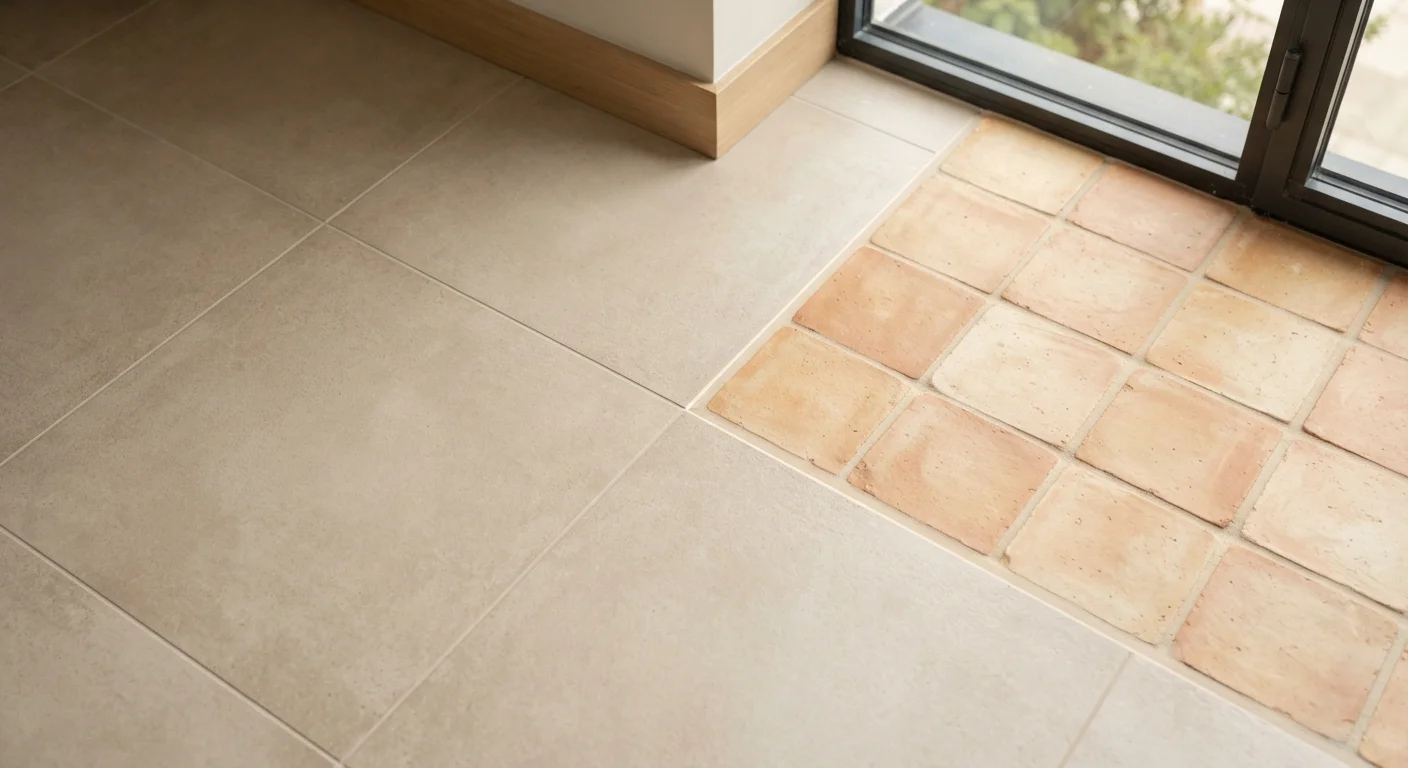
Photo credit: ResultsRover.com | Insights You Can Trust
In this article
Ceramic and porcelain tiles look similar but perform very differently. Understand the practical differences before committing to either for your floors or walls.
Key Takeaways
- Porcelain tile is denser and less porous than ceramic, making it more water-resistant and durable.
- Ceramic tile costs less and is easier to cut, making it a practical choice for DIY-friendly projects.
- Porcelain is suitable for outdoor use; most standard ceramic tile is not rated for exterior applications.
- Both tile types are low-maintenance, but grout lines - not the tiles themselves - require the most upkeep.
- The right choice depends on the room's traffic level, moisture exposure, and your installation budget.
What Actually Makes Them Different
Both ceramic and porcelain tiles are made from clay fired in a kiln - so what sets them apart? The key difference is in the clay composition and firing temperature. Porcelain is made from a finer, denser clay (typically kaolin) fired at higher temperatures. The result is a tile with a water absorption rate under 0.5%, compared to ceramic's rate of up to 3% or more.
That difference in density has real consequences. Porcelain resists staining, cracking from moisture, and freeze-thaw damage far better than standard ceramic. Ceramic, while still a solid flooring material, is more porous and better suited to controlled indoor environments.
One more practical distinction: ceramic tile is softer and easier to score and snap with a standard tile cutter. Porcelain, because of its density, usually requires a wet saw - raising the skill level and tool cost for DIY installation.
| Criterion | Ceramic Tile | Porcelain Tile |
|---|---|---|
| Water Absorption Rate | Up to 3% or more | Less than 0.5% |
| Typical Cost per Sq. Ft. | Lower (generally $1-$4) | Higher (generally $3-$7+) |
| DIY Friendliness | Easier to cut and install | Requires wet saw; more skill |
| Outdoor Use | Generally not recommended | Yes, if frost-rated |
| Durability / Hardness | Good for low-traffic areas | Excellent for heavy use |
| Stain Resistance | Moderate (surface glaze helps) | High (denser body) |
| Best Room Applications | Walls, backsplashes, bedrooms | Floors, kitchens, entryways |
Matching Tile Type to Room Conditions
Choosing tile is really about matching material performance to room demands. Here's how to think through each space:
- Bathrooms: For shower walls and tub surrounds, ceramic works well - these surfaces don't bear foot traffic, and grout sealant handles moisture. For bathroom floors, porcelain is the safer choice, especially in full baths used daily.
- Kitchens: Kitchen floors take constant foot traffic, dropped items, and spills. Porcelain handles all three more reliably. For a backsplash, ceramic is completely appropriate.
- Living rooms and bedrooms: Either tile works in these lower-traffic spaces. Ceramic is a cost-effective option for bedrooms where comfort underfoot may matter more than durability.
- Entryways and mudrooms: These are high-traffic, high-dirt zones. Porcelain's density and stain resistance make it the stronger performer here.
0.5%
Maximum water absorption for porcelain tile
The ANSI A137.1 standard defines porcelain tile as having a water absorption rate of 0.5% or less - a key distinction from standard ceramic.
~$3-$7+
Typical porcelain tile cost per square foot
Material costs vary widely by style and finish; this range reflects common mid-grade options and excludes installation labor, which adds to the total.
Whatever tile you choose, the grout matters as much as the tile itself. Use epoxy grout in wet areas for superior stain and moisture resistance, and seal cement-based grout annually in high-traffic zones.
Installation and Long-Term Cost Considerations
Ceramic tile typically costs less per square foot than porcelain - a meaningful difference across a large floor area. Installation labor may also be lower for ceramic, since it's easier to cut and handle. For homeowners comfortable with tile work, ceramic is the more forgiving DIY material.
Porcelain's installation requires more precise tools, and mistakes are harder to correct. If you're hiring a professional, confirm whether they charge a premium for porcelain work - many contractors do, reflecting the added time and equipment involved.
That said, porcelain's longevity can offset its higher upfront cost. In high-traffic or moisture-prone areas, a well-installed porcelain floor may outlast ceramic by years without needing replacement. Think of it as a long-term investment in the right context - not a universally better choice in every room.
Check the PEI Rating Before You Buy
Tile boxes carry a PEI (Porcelain Enamel Institute) rating from 0 to 5, indicating hardness and wear resistance. PEI 0-1 tiles are for walls only. PEI 3 is suitable for most residential floors. PEI 4-5 handles heavy residential or light commercial use. This rating applies to both ceramic and porcelain - always match the PEI rating to the intended application, not just the tile material.
Neither tile type requires waxing or refinishing, and both are easy to clean with a neutral pH cleaner. The real maintenance commitment comes from keeping grout lines sealed and intact - regardless of which tile you choose.

Author
Home & Garden Editorial Team
Home & Garden Editorial Team is the collective byline for our editorial team and contributor network. Articles published under this byline or an editorial pen name are researched, written, and reviewed according to our editorial standards for clarity, consistency, and independence before publication.
View all articles →