
Things People Get Wrong About Meditation and Mindfulness
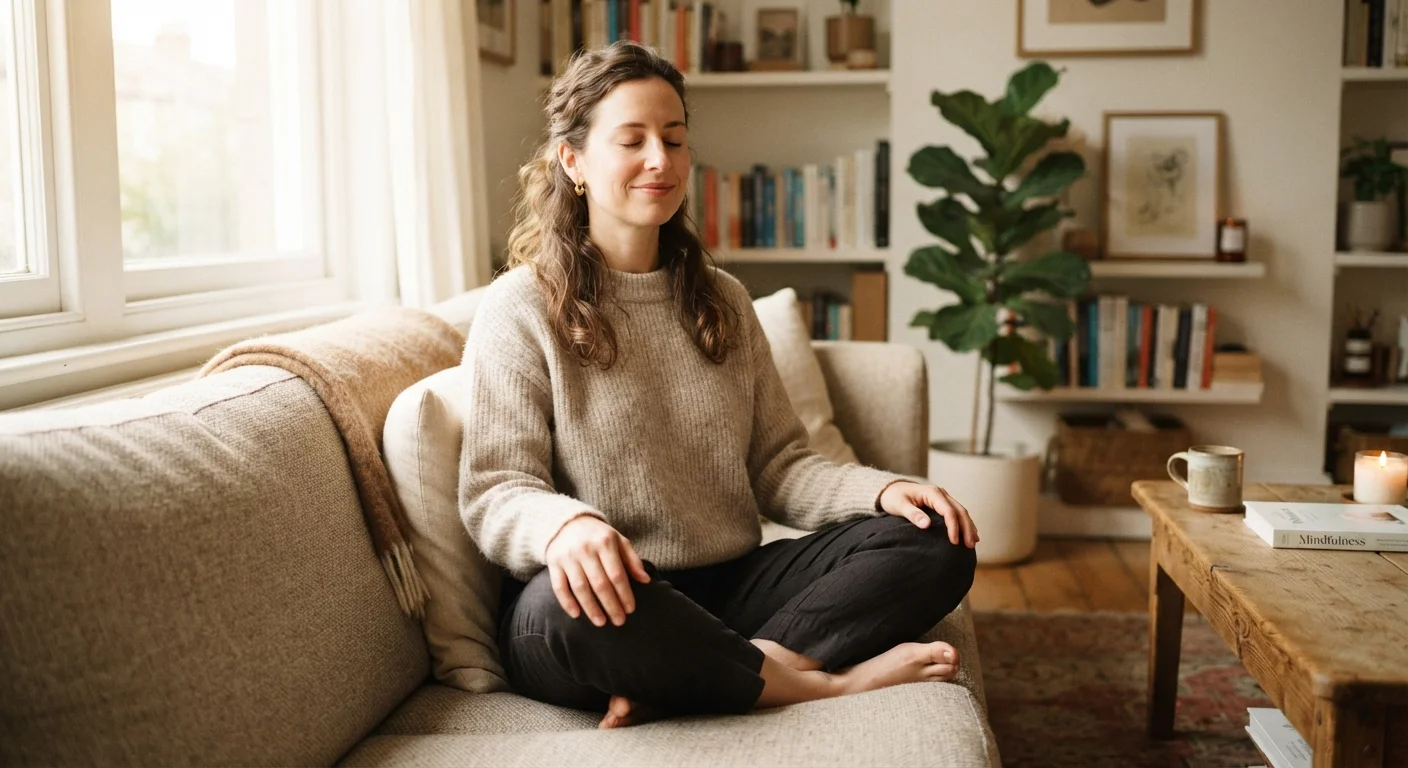
Photo credit: ResultsRover.com | Insights You Can Trust
In this article
You don't need to empty your mind or sit for an hour. This myth-busting piece corrects the most persistent misunderstandings about mindfulness practice.
Key Takeaways
- You don't need to empty your mind - noticing thoughts without judgment is the actual practice.
- Even a few minutes of mindfulness daily can produce measurable mental health benefits.
- Meditation doesn't require any special equipment, posture, or spiritual belief system.
- Feeling distracted during meditation is normal, not a sign of failure.
- Mindfulness is a trainable skill, not a personality trait some people naturally have.
Why Misconceptions About Meditation Are So Common
Meditation has moved from niche spiritual practice to mainstream wellness recommendation - yet the most common images of it remain misleading. Many people picture a shaved-head monk sitting motionless for hours in perfect silence. That gap between expectation and reality is exactly why so many people try meditation once, feel like they're doing it wrong, and quit.
The evidence supporting mindfulness practice is substantial. Research published in peer-reviewed journals links regular mindfulness training to reduced symptoms of anxiety and depression, improved attention, and better stress regulation. Yet these benefits are routinely left on the table because of persistent myths about what meditation actually requires.
If you've dismissed mindfulness as "not for me," the problem may be the myth, not the practice. The following myth-and-fact pairs address the most common misunderstandings head-on.
Myth
You have to completely empty your mind to meditate correctly.
Fact
The goal of meditation is not a thought-free mind - it's noticing when your attention has drifted and gently returning it.
This is the single most damaging myth in meditation. The mind generates thoughts constantly; that's its job. Expecting thoughts to stop is like expecting your heart to stop beating. What mindfulness training actually develops is the ability to observe thoughts without automatically following them. Each time you notice distraction and redirect your focus, you are doing the practice correctly - not failing at it.
Myth
Meditation only works if you sit for at least 20-30 minutes.
Fact
Studies show benefits from sessions as short as five to ten minutes, particularly for beginners building a consistent habit.
Duration matters less than regularity. Research published in journals including Mindfulness and Psychological Science has found meaningful improvements in attention and stress response from brief daily sessions. Starting with five minutes every day is a more effective strategy than attempting a 30-minute session once a week. As the habit solidifies, duration can grow naturally.
Myth
If your mind wanders constantly, you're bad at meditation.
Fact
Mind-wandering is a universal experience; repeatedly redirecting attention is the core mechanism through which mindfulness builds skill.
Experienced practitioners - including those who have meditated for decades - still encounter wandering minds. The difference is that they've become faster at noticing it. Each redirect is essentially a mental repetition, similar to a bicep curl for attentional control. More wanders, more reps. Frustration about distraction is itself a thought worth noticing without judgment.
Myth
Meditation is a religious or spiritual practice that conflicts with secular life.
Fact
Mindfulness-based stress reduction (MBSR) and related secular programs have been rigorously studied in clinical settings, entirely independent of religious context.
While meditation has deep roots in Buddhist and other contemplative traditions, the form widely studied in Western psychology - particularly MBSR, developed at the University of Massachusetts Medical School - is entirely secular. Participation requires no belief system, ritual, or spiritual commitment. Patients in hospital settings, schools, and workplaces use these techniques purely as cognitive and emotional training tools.
Myth
Some people are just naturally mindful - it's not a skill you can learn.
Fact
Mindfulness is a trainable cognitive skill. Neuroimaging research shows structural brain changes associated with regular practice in people who started with no prior experience.
Trait mindfulness - a person's baseline tendency toward present-moment awareness - does vary between individuals, but it is not fixed. Studies using MRI have documented changes in brain regions associated with attention and emotional regulation following mindfulness training in novices. Like any skill, it improves with deliberate, repeated practice regardless of starting point.
Myth
You need to sit cross-legged on the floor to meditate properly.
Fact
Meditation can be practiced in any comfortable position - seated in a chair, lying down, or even walking - as long as you can sustain alert attention.
Posture serves one purpose in meditation: keeping you alert without causing distraction from discomfort. A straight-backed chair works as well as a meditation cushion. Walking meditation - deliberately focusing on the sensations of each step - is a recognized and studied practice. The format that allows you to stay consistent is the right format for you.
Making Mindfulness Work in Real Life
Understanding what meditation actually is - as opposed to what pop culture suggests - removes most of the barriers people cite for not practicing. You don't need an app, a cushion, a quiet room, or a free hour. Informal mindfulness can happen during a morning coffee, a commute, or a short walk. The goal is directing deliberate attention to present-moment experience, whatever that looks like in your day.
Meditation Is Not a Replacement for Mental Health Treatment
Mindfulness practice is a well-supported wellness tool, but it is not a substitute for professional mental health care. If you are experiencing symptoms of depression, anxiety disorders, trauma, or other mental health conditions, please speak with a qualified healthcare provider. Some individuals with trauma histories may find certain meditation practices uncomfortable - a mental health professional can help you approach mindfulness safely.
Building a consistent habit matters more than building a long one. Mental health researchers consistently find that brief, regular practice outperforms sporadic marathon sessions. If formal meditation genuinely doesn't suit you, complementary habits can still support your mental wellness. Our guide to low-effort mental wellness habits for busy people offers practical, time-friendly options. And if stress reduction is a priority, it's worth knowing which everyday coping strategies can backfire - see everyday ways people accidentally make stress worse.
5-10 min
Effective minimum daily session length
Multiple peer-reviewed studies have found measurable attention and stress benefits from sessions as short as five to ten minutes when practiced consistently.
~40%
Adults reporting chronic stress
The American Psychological Association's annual Stress in America surveys consistently find that a large share of U.S. adults report significant stress levels affecting daily functioning.
This article is for general informational and educational purposes only and does not constitute medical or mental health advice. If you are experiencing significant mental health symptoms, please consult a qualified healthcare professional.

Author
Health & Wellness Editorial Team
Health & Wellness Editorial Team is the collective byline for our editorial team and contributor network. Articles published under this byline or an editorial pen name are researched, written, and reviewed according to our editorial standards for clarity, consistency, and independence before publication.
View all articles →