
The Language Around Mental Health: A Plain-English Reference
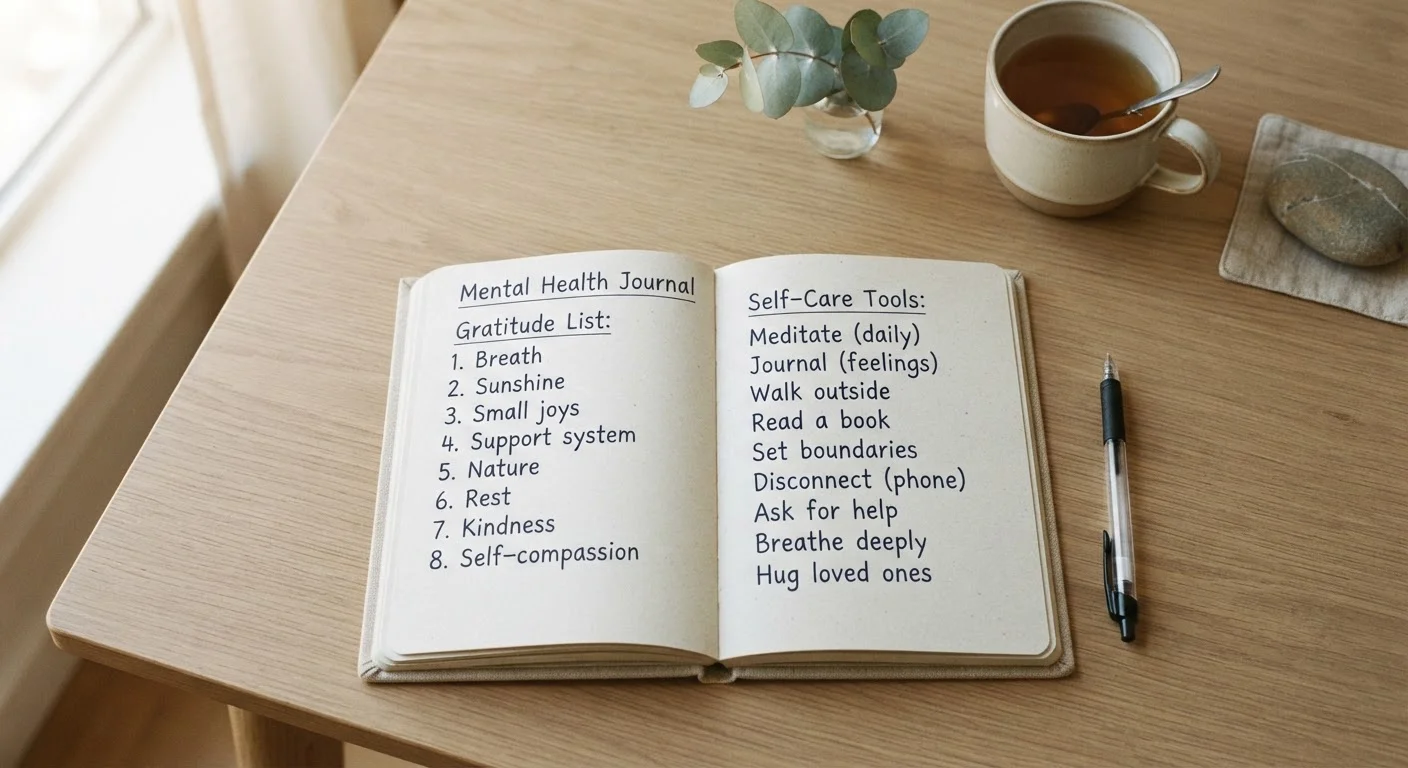
Photo credit: ResultsRover.com | Insights You Can Trust
Anxiety, burnout, dysthymia, window of tolerance — a clear, jargon-free glossary of common mental wellness terms explained simply.
Why the Words We Use Matter
Mental health language has entered everyday conversation - but terms like burnout, trauma, or anxiety are often used loosely, in ways that can confuse rather than clarify. When the words are blurry, it becomes harder to recognize what you or someone close to you might be experiencing, harder to ask for help, and harder to evaluate information you encounter.
This reference is designed to give you a stable, plain-English foundation. It is not a diagnostic tool and is not intended to replace a conversation with a qualified clinician. Think of it the way you might approach a financial glossary: a starting point for understanding, not a final word on your situation.
This Is Information, Not a Diagnosis
The definitions in this reference are for general educational purposes only and are not a substitute for professional mental health evaluation or treatment. If you are concerned about your own mental health or that of someone you care about, please consult a licensed mental health professional. In a crisis, contact the 988 Suicide and Crisis Lifeline by calling or texting 988.
Once you have a clearer vocabulary, it becomes easier to build on it - for instance, by exploring realistic daily habits that support long-term wellbeing.
| Adults with any mental illness in the U.S. | Approximately 1 in 5 (National Institute of Mental Health (NIMH)) |
| Median delay from symptom onset to treatment | 11 years (National Alliance on Mental Illness (NAMI)) |
| Share who receive mental health treatment | Less than half of those affected (NIMH, national survey data) |
| Most common mental health condition | Anxiety disorders (Anxiety and Depression Association of America (ADAA)) |
Key Mental Health Terms, Defined Plainly
The terms below cover a range of concepts you are likely to encounter - in therapy, in health articles, or in ordinary conversation. They are organized to build on each other where possible.
Several of these concepts intersect in practice. Rumination, for example, often fuels anxiety and can erode emotional regulation over time. Understanding those connections helps you engage more critically with advice and treatment options. For a closer look at one of the most misunderstood terms on this list, see the full picture of burnout.
Screen use and digital environments also influence several of these dynamics - particularly anxiety, rumination, and emotional regulation. The article on digital boundaries and mental health explores that relationship in practical detail.
This article is for general informational and educational purposes only. It does not constitute medical or mental health advice, and the definitions provided are not diagnostic criteria. Please consult a licensed mental health professional for guidance specific to your situation.

Author
Health & Wellness Editorial Team
Health & Wellness Editorial Team is the collective byline for our editorial team and contributor network. Articles published under this byline or an editorial pen name are researched, written, and reviewed according to our editorial standards for clarity, consistency, and independence before publication.
View all articles →