
Sleep Hygiene vs. Sleep Restriction Therapy: Two Approaches to Insomnia
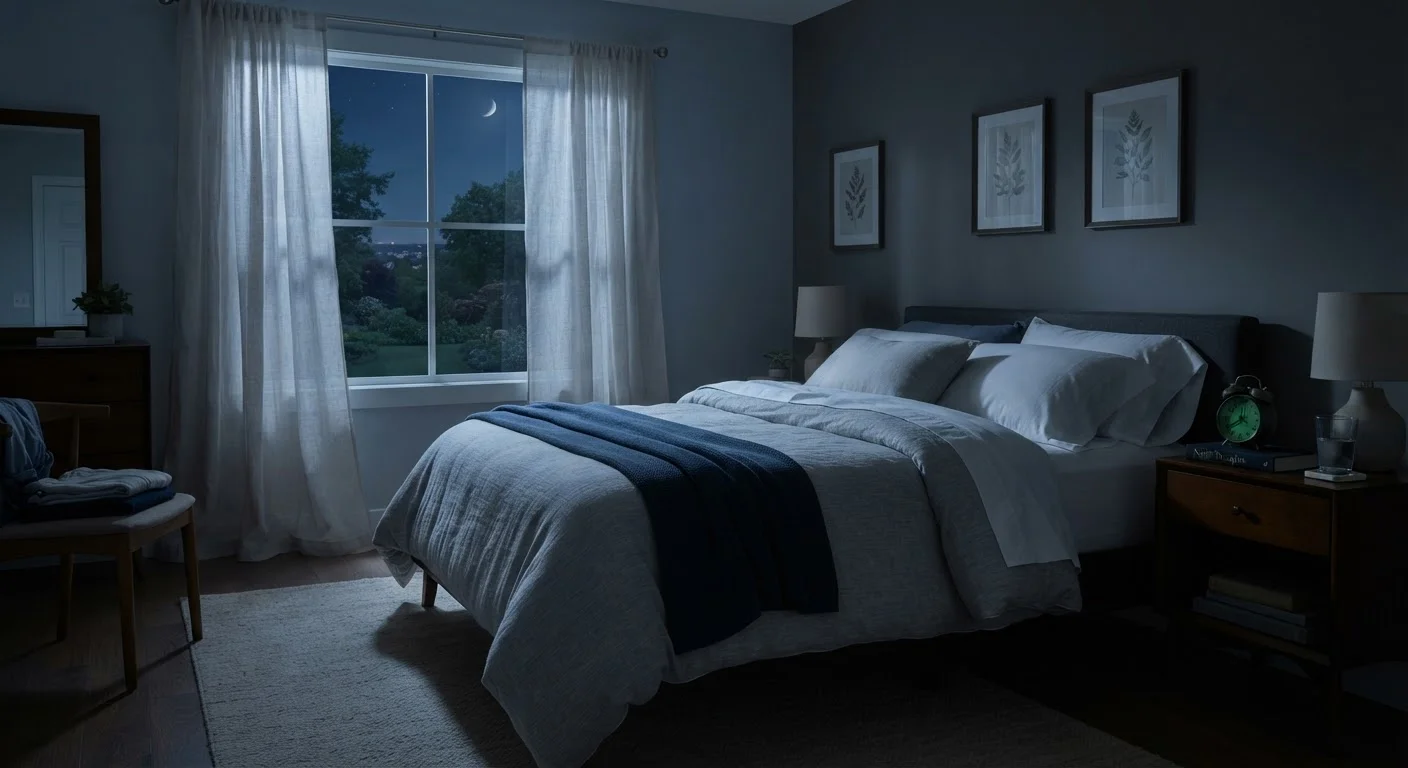
Photo credit: ResultsRover.com | Insights You Can Trust
In this article
Sleep hygiene and sleep restriction therapy both address poor sleep, but in very different ways. Here's how each works and who they suit.
Key Takeaways
- Sleep hygiene focuses on everyday habits and environment; sleep restriction therapy involves deliberately limiting time in bed.
- Sleep restriction therapy is a core component of Cognitive Behavioral Therapy for Insomnia (CBT-I), the gold-standard treatment.
- Sleep hygiene alone is generally insufficient for chronic insomnia but serves as a helpful foundation.
- Sleep restriction therapy should be guided by a qualified healthcare professional, especially for those with certain health conditions.
- Both approaches aim to strengthen the brain's natural sleep drive and restore healthy sleep patterns.
What Is Sleep Hygiene?
Sleep hygiene refers to a set of behavioral and environmental practices designed to support consistent, quality sleep. Think of it as the foundation of good sleep health - the habits you build around bedtime, your sleep space, and your daytime choices that collectively signal to your brain when it's time to rest.
Common sleep hygiene recommendations include maintaining a consistent wake time every day, limiting caffeine in the afternoon, reducing screen exposure before bed, keeping the bedroom cool and dark, and avoiding alcohol close to bedtime. These practices work by stabilizing your body's circadian rhythm - the internal 24-hour clock that regulates sleep-wake cycles.
Sleep hygiene is widely recommended and easy to start, but research suggests it has meaningful limits. For people with mild or situational sleep difficulty, improving these habits can make a real difference. For chronic insomnia - defined as difficulty falling or staying asleep at least three nights per week for three months or more - sleep hygiene alone typically does not resolve the problem. It's necessary but rarely sufficient on its own. A good place to start alongside these habits is building a structured evening wind-down routine that helps your nervous system transition toward rest.
| Criterion | Sleep Hygiene | Sleep Restriction Therapy |
|---|---|---|
| Primary goal | Optimize sleep conditions and habits | Rebuild sleep drive and efficiency |
| Best suited for | Mild or situational sleep issues | Chronic insomnia (3+ months) |
| Professional guidance needed | Not required to start | Strongly recommended |
| Effort level | Low to moderate; lifestyle adjustments | High; requires strict schedule adherence |
| Evidence base | Moderate for mild insomnia | Strong; core of CBT-I |
| Timeline for results | Days to weeks | Several weeks of structured protocol |
| Risk of short-term fatigue | Minimal | Common initially; by design |
What Is Sleep Restriction Therapy?
Sleep restriction therapy (SRT) is a structured behavioral technique that temporarily limits the amount of time a person spends in bed in order to consolidate fragmented sleep and rebuild a stronger sleep drive. It is one of the most evidence-backed components of Cognitive Behavioral Therapy for Insomnia (CBT-I), which is widely recognized by sleep medicine organizations as the first-line treatment for chronic insomnia.
The core principle is counterintuitive: by reducing time in bed to roughly match the hours a person is actually sleeping, the therapy creates mild, controlled sleep deprivation. This builds what researchers call sleep pressure - the body's biological urge to sleep - which helps re-associate the bed with sleepiness rather than wakefulness and anxiety.
Over several weeks, and under professional guidance, time in bed is gradually extended as sleep efficiency improves. Sleep efficiency is the ratio of time asleep to time spent in bed. The goal is to raise that ratio before expanding the sleep window.
70-80%
Improvement rate with CBT-I
Research consistently shows that Cognitive Behavioral Therapy for Insomnia - which includes sleep restriction therapy - helps the majority of participants reduce insomnia symptoms significantly.
30%
U.S. adults with insomnia symptoms
According to the American Academy of Sleep Medicine, roughly 30% of American adults report short-term insomnia symptoms, while about 10% meet criteria for chronic insomnia disorder.
Important: Sleep restriction therapy is not appropriate for everyone. People with certain conditions - including bipolar disorder, seizure disorders, or severe sleep apnea - should not undertake SRT without explicit medical supervision. Always consult a qualified healthcare professional before beginning this approach.
Key Differences and How to Choose
The most important distinction between sleep hygiene and sleep restriction therapy is their scope. Sleep hygiene is preventive and supportive - it creates conditions where sleep can occur more naturally. Sleep restriction therapy is corrective and clinical - it actively retrains the brain's relationship with sleep when that relationship has broken down.
For most people, the practical path forward looks like this: start with sleep hygiene to build a stable foundation, and if sleep difficulties persist after several consistent weeks, speak with a healthcare provider about whether CBT-I and sleep restriction therapy are appropriate next steps.
CBT-I Is Now Accessible Online
Traditionally delivered in person by trained therapists, CBT-I programs - including sleep restriction components - are increasingly available through digital platforms and telehealth services. If in-person access is a barrier, ask your primary care provider whether a validated digital CBT-I program might be appropriate for your situation.
Neither approach requires medication, and both work best when you understand that improving sleep is a gradual process. There are no overnight fixes, but the evidence for behavioral approaches - particularly CBT-I - is robust and well-established across decades of clinical research.
This article is for general informational purposes only and does not constitute medical advice. If you are experiencing persistent sleep difficulties, please consult a qualified healthcare professional for guidance tailored to your situation.

Author
Health & Wellness Editorial Team
Health & Wellness Editorial Team is the collective byline for our editorial team and contributor network. Articles published under this byline or an editorial pen name are researched, written, and reviewed according to our editorial standards for clarity, consistency, and independence before publication.
View all articles →