
Car Insurance Myths That Cost Drivers Real Money
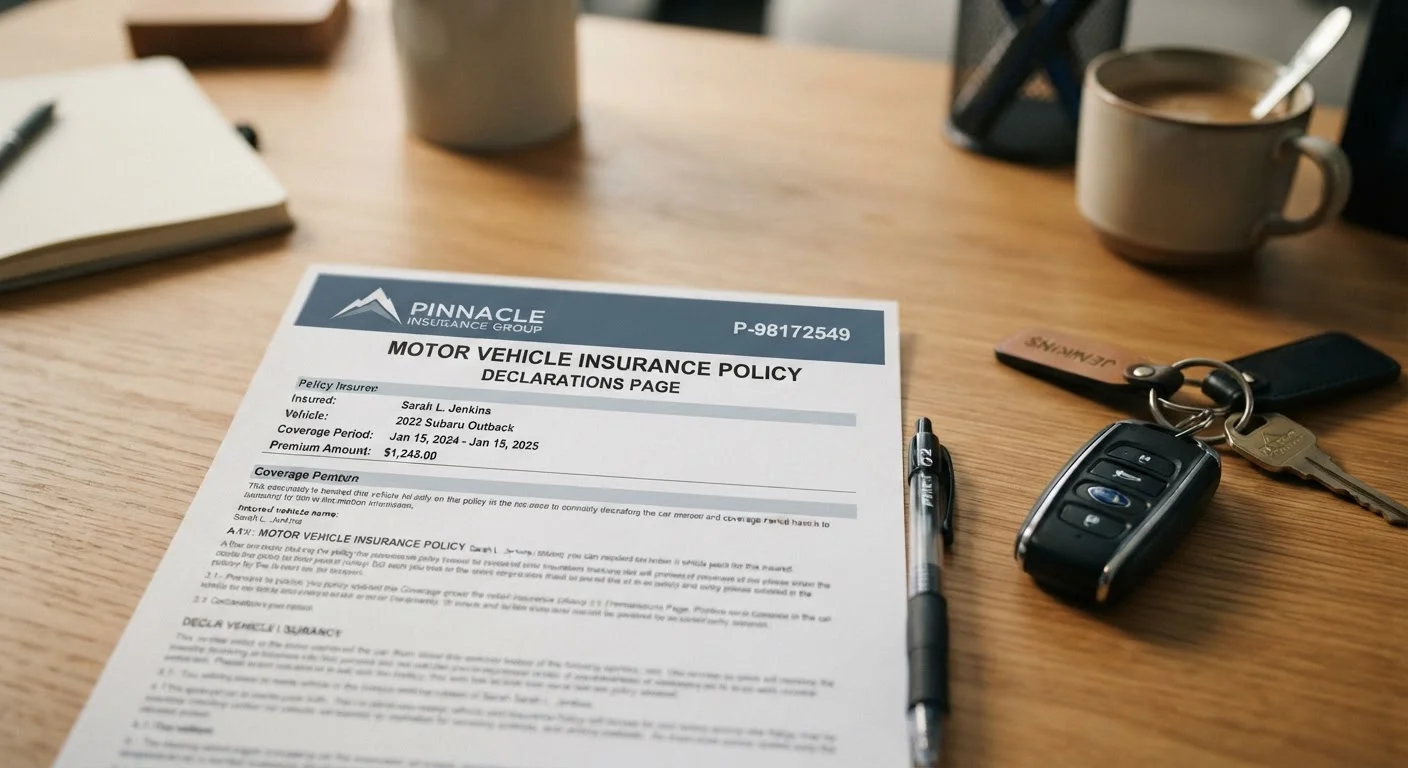
Photo credit: ResultsRover.com | Insights You Can Trust
From red cars costing more to insure, to credit scores not mattering — common insurance myths can lead to costly misunderstandings.
Key Takeaways
- Car color has no effect on your insurance premium - insurers don't track it.
- Your credit history is a significant rating factor in most U.S. states.
- Minimum liability coverage leaves major financial gaps that drivers often underestimate.
- Filing a small claim can cost you more in raised premiums than paying out of pocket.
- Your premium doesn't automatically drop when you pay off your car loan.
Why Insurance Myths Are Expensive
Auto insurance is one of the largest recurring costs of vehicle ownership, yet most drivers spend less than an hour a year thinking about their policy. That knowledge gap is where myths thrive - and where insurers don't lose money, drivers do.
Some misconceptions lead people to skip coverage they genuinely need. Others cause drivers to stay in expensive habits they believe are unavoidable. The myth-fact pairs below address the most common and most costly misunderstandings, drawing on how insurers actually underwrite and price policies. For a deeper look at the full set of factors behind your rate, see why your car insurance premium is the number it is.
Myth
Red cars cost more to insure because they attract speeding tickets.
Fact
Insurers don't ask for - or record - your car's color. It plays zero role in your premium.
This is probably the most durable auto insurance myth in circulation. The reality is that insurers rate vehicles based on the make, model, model year, body style, engine size, safety ratings, theft rates, and repair costs - not the paint. A red sedan and a white sedan of identical trim and year will carry the same base rate. The confusion may stem loosely from the idea that flashier cars attract more tickets, but color itself is never a variable in underwriting models used by U.S. insurers.
Myth
Your credit score has nothing to do with your car insurance rate.
Fact
In most U.S. states, insurers use a credit-based insurance score as a significant pricing factor.
Credit-based insurance scoring is a distinct calculation from your FICO score, but it draws on similar underlying data - payment history, outstanding debt, length of credit history, and similar inputs. Insurers use it because actuarial data consistently shows a statistical correlation between credit metrics and claim frequency. As of recent years, only a handful of states - including California, Hawaii, Massachusetts, and Michigan - restrict or prohibit its use. Everywhere else, a lower credit-based score can meaningfully increase what you pay, making credit health a legitimate cost-management lever for drivers.
Myth
State minimum liability coverage is enough protection for most drivers.
Fact
Minimum limits are often far too low to cover the real cost of a serious accident - leaving you personally responsible for the difference.
State minimums exist to create a legal floor, not a recommended coverage level. A typical minimum might be $25,000 per person for bodily injury - but a single hospitalization after a serious collision can exceed that many times over. When an insurer pays out your policy limit and the injured party's costs are higher, they can pursue you personally for the remainder. That can mean wage garnishment or liens on assets. Minimum coverage also usually excludes damage to your own vehicle entirely. Selecting appropriate limits requires understanding your net worth and risk exposure, not just meeting the legal requirement.
Myth
Filing a claim is always the right move - that's what insurance is for.
Fact
Filing small claims often costs more in future premium increases than simply paying the repair yourself.
Insurers track claims history, and even a single at-fault claim can raise your rate for three to five years depending on your insurer and state. If a fender-bender causes $700 in damage and you have a $500 deductible, you'd collect only $200 - but the resulting surcharge on your annual premium could exceed that within a single policy term. A useful rule of thumb: if the damage cost is close to or less than twice your deductible, it may be worth paying out of pocket and preserving your claims-free discount. Always compare the math before calling your insurer.
Myth
Once your car is paid off, your insurance costs automatically go down.
Fact
Paying off your loan removes the lender's coverage requirements, but your insurer won't automatically lower your rate or drop any coverage.
Lenders typically require comprehensive and collision coverage while you're financing a vehicle - but that mandate disappears once the title is yours free and clear. What doesn't happen automatically: your insurer adjusting your policy or your rate. You have to contact your insurer and decide whether to retain or reduce those coverages. For an older vehicle with low market value, dropping collision may make financial sense. But the change requires a deliberate decision on your part - it won't happen on its own. Learn more about the full range of factors that move your premium.
Myth
Comprehensive coverage protects you in all situations, including collisions.
Fact
Comprehensive covers non-collision events like theft, weather, and animal strikes - not accidents involving another vehicle or object.
The naming is genuinely confusing. "Comprehensive" sounds all-encompassing, but in insurance terminology it specifically covers losses that aren't caused by a collision: hail damage, fire, flooding, vandalism, hitting a deer, and theft. If you hit another car - or a guardrail - that falls under collision coverage, which is a separate add-on. Drivers who carry only comprehensive and believe they're protected in a crash are mistaken. Understanding the distinction between these two coverages helps you build a policy that actually matches your real-world risk exposure.
What You Can Actually Do About Your Rate
Debunking myths is step one. Step two is taking action based on how policies actually work.
~38%
Drivers carrying only minimum liability
According to the Insurance Research Council, a significant share of U.S. drivers carry only the state-mandated minimum liability limits, leaving substantial personal financial exposure.
3-5 years
How long an at-fault claim can affect your rate
Most U.S. insurers use a three-to-five year lookback window on claims history when calculating renewal premiums, depending on the state and the insurer's own guidelines.
45+ states
States allowing credit-based insurance scoring
The majority of U.S. states permit insurers to use credit-based insurance scores as a rating factor, making credit health a direct variable in auto insurance pricing for most Americans.
Start by reviewing your coverage limits - not just whether you have coverage, but whether those limits reflect what you'd actually owe if you caused a serious accident. Many drivers discover they're underinsured only after a claim. Next, check whether your state uses credit-based insurance scoring; if it does, maintaining a solid credit history is a legitimate rate lever. Finally, think carefully before filing small claims. Paying a $600 repair out of pocket may be far cheaper than triggering a rate increase that compounds over three years.
If you want structured strategies for trimming your premium without gutting your protection, lowering your auto insurance rate without sacrificing coverage covers deductibles, bundling, and policy review approaches worth knowing. And if you're buying a vehicle and wondering how insurance costs factor in, common car negotiation myths addresses assumptions that cost buyers money at the dealership too.
Minimum Coverage Isn't a Safety Net
State-mandated minimum liability limits were designed to create a legal threshold, not protect your finances in a real accident. Medical bills, lost wages, and legal costs from a serious collision can far exceed those limits. If a court judgment against you surpasses your policy limits, your personal assets - savings, property, future income - can be at risk. Review your limits with a licensed agent relative to your actual financial exposure.
This article is for general informational purposes only and does not constitute personalized insurance, financial, or legal advice. Coverage terms, rating factors, and regulations vary by insurer and by state. Always read your actual policy documents and consult a licensed insurance agent or adviser for guidance specific to your situation.

Author
Auto Essentials Editorial Team
Auto Essentials Editorial Team is the collective byline for our editorial team and contributor network. Articles published under this byline or an editorial pen name are researched, written, and reviewed according to our editorial standards for clarity, consistency, and independence before publication.
View all articles →